

As a supplier of Pedestal Pad Thrust Bearings, I've witnessed firsthand the critical role these components play in various industrial applications. One of the key factors that significantly impacts the operation of a Pedestal Pad Thrust Bearing is its damping capacity. In this blog, we'll delve into how the damping capacity of a Pedestal Pad Thrust Bearing affects its operation and why it matters in industrial settings.
Understanding Damping Capacity
Damping capacity refers to the ability of a material or a component to dissipate energy when it is subjected to vibration or dynamic loading. In the context of a Pedestal Pad Thrust Bearing, damping capacity is crucial for reducing vibrations, noise, and wear, thereby enhancing the overall performance and reliability of the bearing.
When a Pedestal Pad Thrust Bearing is in operation, it experiences various types of forces and loads, including axial thrust, radial loads, and dynamic forces caused by rotating machinery. These forces can lead to vibrations and oscillations, which, if not properly controlled, can cause premature wear, damage to the bearing and other components, and even system failures.
The damping capacity of a Pedestal Pad Thrust Bearing helps to absorb and dissipate these vibrations, reducing their amplitude and frequency. This is achieved through the use of materials and design features that are specifically engineered to dampen vibrations. For example, some Pedestal Pad Thrust Bearings use special damping materials, such as elastomers or viscoelastic polymers, which can absorb and dissipate energy through internal friction.
Impact on Bearing Life
One of the most significant ways in which the damping capacity of a Pedestal Pad Thrust Bearing affects its operation is by extending its service life. Vibrations and oscillations can cause excessive wear on the bearing surfaces, leading to increased friction, heat generation, and fatigue. Over time, this can result in premature failure of the bearing, requiring costly repairs and replacements.

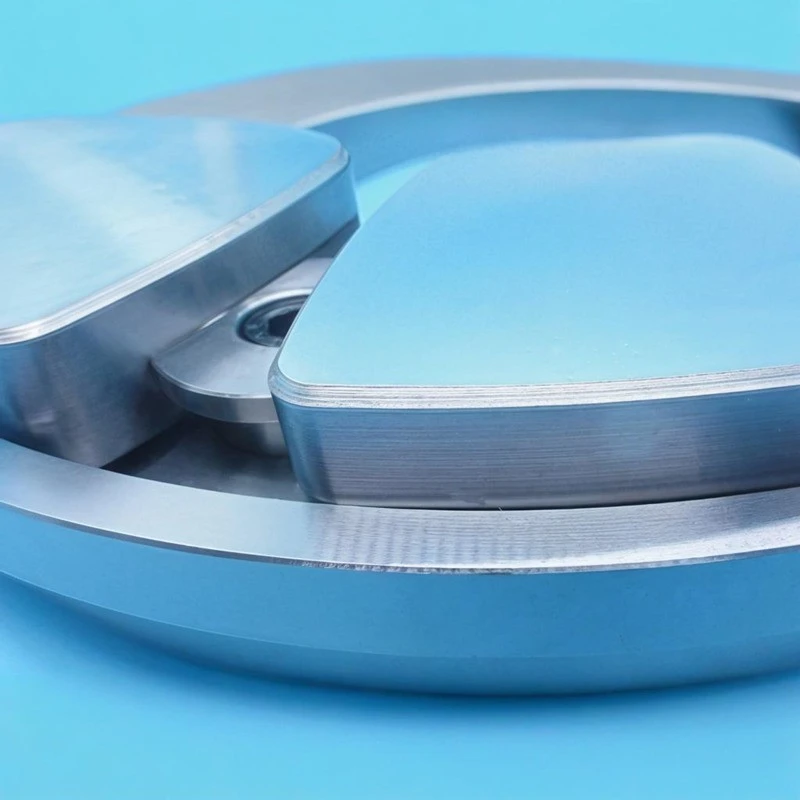
By reducing vibrations, the damping capacity of the bearing helps to minimize wear and tear on the bearing surfaces. This not only extends the service life of the bearing but also reduces the frequency of maintenance and replacement, resulting in significant cost savings for the end-user.
For instance, in a high-speed rotating machinery application, such as a turbine or a compressor, the damping capacity of the Pedestal Pad Thrust Bearing can prevent the development of high-frequency vibrations that can cause micro-cracks and surface damage. By maintaining a smooth and stable operation, the bearing can withstand the high loads and speeds for a longer period, ensuring reliable and efficient performance.
Influence on System Stability
In addition to extending the bearing life, the damping capacity of a Pedestal Pad Thrust Bearing also plays a crucial role in ensuring the stability of the entire system. Vibrations in a rotating machinery system can cause misalignment, which can lead to additional stresses on the bearing and other components. This can further exacerbate the vibration problem, creating a vicious cycle that can ultimately result in system instability.
The damping capacity of the bearing helps to counteract these vibrations, maintaining the alignment of the rotating components and ensuring a stable operation. This is particularly important in applications where precise alignment is critical, such as in precision machining or aerospace systems.
For example, in a large industrial motor, the Pedestal Pad Thrust Bearing with high damping capacity can prevent the motor from vibrating excessively, which could otherwise cause misalignment of the motor shaft and the driven equipment. By maintaining a stable operation, the bearing ensures that the motor can deliver its rated power efficiently and reliably.
Noise Reduction
Another important aspect of the damping capacity of a Pedestal Pad Thrust Bearing is its ability to reduce noise. Vibrations in a bearing can generate noise, which can be a significant problem in industrial settings, especially in environments where noise levels need to be kept to a minimum, such as in hospitals, schools, or residential areas.
The damping capacity of the bearing helps to absorb and dissipate the energy associated with the vibrations, reducing the noise generated by the bearing. This not only improves the working environment for operators but also helps to comply with noise regulations and standards.
For example, in a pump application, a Pedestal Pad Thrust Bearing with high damping capacity can reduce the noise generated by the pump, making it more suitable for use in noise-sensitive areas. This can enhance the overall user experience and make the equipment more marketable.
Design Considerations for Damping Capacity
When designing a Pedestal Pad Thrust Bearing, several factors need to be considered to optimize its damping capacity. These include the choice of materials, the geometry of the bearing, and the lubrication system.
The choice of materials is crucial for achieving the desired damping capacity. As mentioned earlier, some materials, such as elastomers and viscoelastic polymers, have excellent damping properties. These materials can be used in the bearing design to absorb and dissipate energy. However, the choice of material also needs to take into account other factors, such as the operating temperature, load capacity, and chemical resistance.
The geometry of the bearing also plays an important role in determining its damping capacity. For example, the shape and size of the bearing pads can affect the way in which the vibrations are absorbed and dissipated. A well-designed bearing geometry can ensure that the vibrations are evenly distributed across the bearing surface, maximizing the damping effect.
The lubrication system is another important factor. Proper lubrication not only reduces friction and wear but also helps to dampen vibrations. The lubricant can act as a damping medium, absorbing and dissipating the energy associated with the vibrations. Therefore, the choice of lubricant and the lubrication method need to be carefully considered to optimize the damping capacity of the bearing.
Conclusion
In conclusion, the damping capacity of a Pedestal Pad Thrust Bearing has a profound impact on its operation. It extends the bearing life, ensures system stability, reduces noise, and improves the overall performance and reliability of the bearing. As a supplier of Pedestal Pad Thrust Bearings, we understand the importance of damping capacity and strive to provide our customers with bearings that are designed and engineered to meet their specific requirements.
If you're in the market for a high-quality Pedestal Pad Thrust Bearing, Pedestal Pad Thrust Bearing with excellent damping capacity, we invite you to Pad Thrust Bearing and Tilting Pad Thrust Bearing Assembly our products. Our team of experts is ready to assist you in selecting the right bearing for your application and providing you with professional advice and support. Contact us today to start a discussion about your procurement needs and explore how our Pedestal Pad Thrust Bearings can enhance the performance and reliability of your equipment.
References
- Harris, T. A., & Kotzalas, M. N. (2007). Rolling Bearing Analysis. Wiley.
- Khonsari, M. M., & Booser, E. R. (2001). Applied Tribology: Bearing Design and Lubrication. Wiley.
- Townsend, D. P. (1992). Dudley's Gear Handbook. Marcel Dekker.