

Babbitt bearings are widely recognized in the industrial world for their unique properties, and one of the most crucial aspects is their corrosion - resistance. As a trusted babbitt bearings supplier, I am excited to delve into the corrosion - resistance properties of these remarkable components, providing you with in - depth knowledge to make informed decisions for your industrial applications.
Understanding Babbitt Bearings
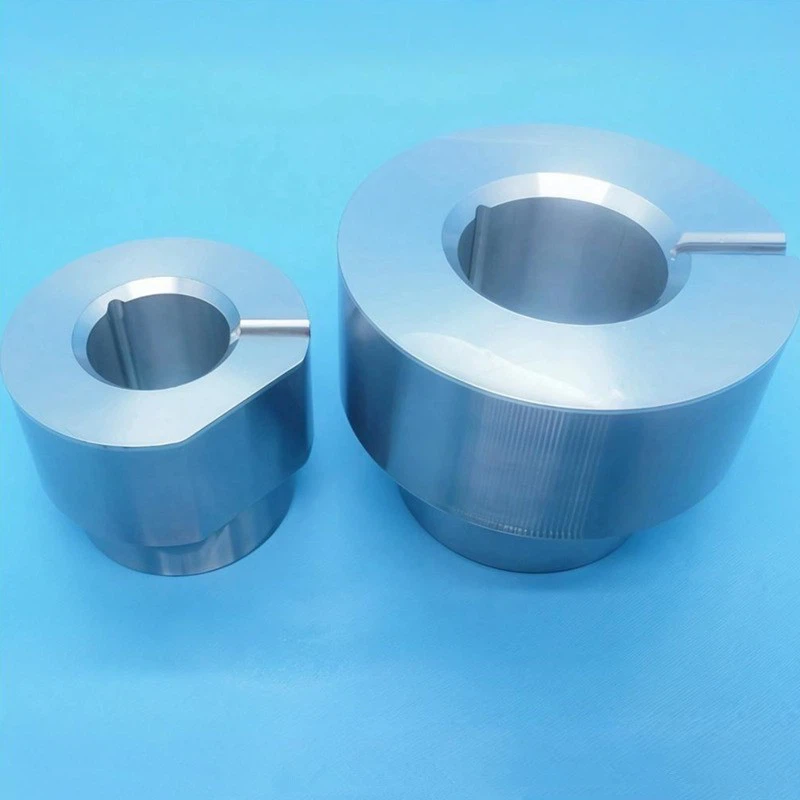
Before we explore corrosion - resistance, let's briefly understand what babbitt bearings are. Babbitt bearings are made from a soft alloy, typically consisting of tin, antimony, and copper. These alloys are known for their excellent anti - friction properties, which make them ideal for use in high - speed rotating machinery. There are different types of babbitt bearings, such as Babbitt Flanged Bearings, Babbitt Bearing, and Sleeve Babbitt Bearing. Each type has its own unique design and application, but they all share the common characteristic of being made from babbitt alloys.
Factors Affecting the Corrosion - Resistance of Babbitt Bearings
Alloy Composition
The composition of the babbitt alloy plays a vital role in its corrosion - resistance. Tin - based babbitt alloys, for example, generally offer better corrosion - resistance compared to lead - based ones. Tin forms a protective oxide layer on the surface of the bearing when exposed to oxygen, which acts as a barrier against further corrosion. Antimony and copper, when present in the right proportions, can also enhance the mechanical properties of the alloy and contribute to its corrosion - resistance. For instance, copper can improve the hardness of the alloy, which may reduce the likelihood of surface damage that could lead to corrosion.
Environmental Conditions
The environment in which the babbitt bearings operate significantly impacts their corrosion - resistance. In a dry and clean environment, the risk of corrosion is relatively low. However, in humid or wet conditions, the presence of moisture can accelerate the corrosion process. Additionally, exposure to chemicals such as acids, alkalis, or salts can also cause severe corrosion. For example, in marine applications, babbitt bearings are exposed to saltwater, which is highly corrosive. In such cases, special coatings or treatments may be required to enhance the corrosion - resistance of the bearings.
Lubrication
Proper lubrication is essential for maintaining the corrosion - resistance of babbitt bearings. Lubricants not only reduce friction and wear but also act as a protective layer between the bearing surface and the environment. A high - quality lubricant can prevent moisture and contaminants from coming into direct contact with the bearing, thus reducing the risk of corrosion. However, if the lubricant is contaminated or degraded, it can lose its protective properties and even contribute to corrosion. Regular monitoring and replacement of the lubricant are necessary to ensure its effectiveness.
Corrosion - Resistance Mechanisms of Babbitt Bearings
Passivation
As mentioned earlier, tin in the babbitt alloy can form a passive oxide layer on the surface of the bearing. This layer is thin but dense and adherent, which prevents oxygen and other corrosive agents from reaching the underlying metal. The formation of this oxide layer is a self - limiting process, meaning that once it is formed, it slows down the further oxidation of the metal. Passivation is a natural process that occurs when the babbitt bearing is exposed to air, but it can also be enhanced through certain surface treatments.
Galvanic Protection
In some cases, babbitt bearings can benefit from galvanic protection. If the babbitt alloy is in contact with a more active metal, the more active metal will corrode preferentially, sacrificing itself to protect the babbitt bearing. This principle is similar to the use of sacrificial anodes in marine applications. However, careful consideration must be given to the choice of the more active metal to ensure that it does not cause any adverse effects on the performance of the babbitt bearing.
Testing the Corrosion - Resistance of Babbitt Bearings
Salt Spray Testing
Salt spray testing is a common method used to evaluate the corrosion - resistance of babbitt bearings. In this test, the bearings are exposed to a salt - laden mist in a controlled environment for a specified period. After the test, the bearings are examined for signs of corrosion, such as rust or pitting. The severity of the corrosion is then rated based on a standard scale. Salt spray testing provides a quick and relatively inexpensive way to compare the corrosion - resistance of different babbitt alloys or surface treatments.

Immersion Testing
Immersion testing involves immersing the babbitt bearings in a corrosive solution for an extended period. This test can simulate the actual operating conditions more accurately than salt spray testing, especially for applications where the bearings are in direct contact with liquids. The solution used in immersion testing can be tailored to match the specific chemicals or contaminants that the bearings are likely to encounter in the real world. After the immersion period, the bearings are analyzed to determine the extent of corrosion and any changes in their mechanical properties.
Enhancing the Corrosion - Resistance of Babbitt Bearings
Surface Coatings
Applying surface coatings is an effective way to enhance the corrosion - resistance of babbitt bearings. There are various types of coatings available, such as polymer coatings, ceramic coatings, and metallic coatings. Polymer coatings can provide a physical barrier between the bearing surface and the environment, preventing moisture and chemicals from reaching the metal. Ceramic coatings are known for their high hardness and chemical stability, which can offer excellent protection against corrosion and wear. Metallic coatings, such as chromium or nickel, can also improve the corrosion - resistance and enhance the surface properties of the babbitt bearings.
Heat Treatment
Heat treatment can modify the microstructure of the babbitt alloy, which may improve its corrosion - resistance. For example, annealing can relieve internal stresses in the alloy, making it more resistant to cracking and corrosion. Quenching and tempering can also enhance the hardness and strength of the alloy, which may contribute to its overall durability and corrosion - resistance. However, heat treatment must be carefully controlled to avoid any negative effects on the mechanical properties of the babbitt bearings.
Applications and the Importance of Corrosion - Resistance
In many industrial applications, the corrosion - resistance of babbitt bearings is of utmost importance. In the power generation industry, for example, babbitt bearings are used in turbines and generators. These bearings operate in high - temperature and high - humidity environments, and any corrosion can lead to reduced efficiency, increased maintenance costs, and even system failures. In the automotive industry, babbitt bearings are used in engines, where they are exposed to oil, fuel, and other chemicals. Corrosion of these bearings can cause engine noise, vibration, and premature wear.
In the marine industry, the corrosion - resistance of babbitt bearings is critical due to the harsh saltwater environment. Bearings used in ship engines, propellers, and other marine equipment must be able to withstand the corrosive effects of saltwater to ensure reliable operation. Without proper corrosion - resistance, the bearings may fail prematurely, leading to costly repairs and downtime.
Conclusion
The corrosion - resistance properties of babbitt bearings are influenced by various factors, including alloy composition, environmental conditions, and lubrication. Understanding these factors and the mechanisms of corrosion - resistance is essential for selecting the right babbitt bearings for your industrial applications. As a babbitt bearings supplier, we are committed to providing high - quality bearings with excellent corrosion - resistance. We offer a wide range of babbitt bearings, including Babbitt Flanged Bearings, Babbitt Bearing, and Sleeve Babbitt Bearing, and we can also provide customized solutions to meet your specific requirements.
If you are in need of babbitt bearings with superior corrosion - resistance, we invite you to contact us for procurement and further discussions. Our team of experts is ready to assist you in choosing the most suitable bearings for your applications and providing you with the best technical support.
References
- Davis, J. R. (Ed.). (2001). ASM specialty handbook: Bearing materials. ASM International.
- Totten, G. E., & MacKenzie, D. E. (2003). Handbook of aluminum and aluminum alloys: Processes, properties, and applications. CRC Press.
- Schweitzer, P. A. (2004). Corrosion - resistant pumps, valves, and piping systems. CRC Press.