

As a seasoned supplier of Fluid Film Thrust Bearings, I understand the critical importance of a proper installation procedure. This not only ensures the optimal performance of the bearing but also extends its service life, reducing downtime and maintenance costs for our customers. In this blog, I will walk you through the step - by - step process of installing a fluid film thrust bearing.
Pre - installation Checks
Before you even begin the installation process, a series of pre - installation checks are necessary. First and foremost, thoroughly inspect the bearing itself. Look for any signs of damage, such as scratches, dents, or corrosion on the bearing surfaces. Even minor damage can significantly affect the performance of the bearing and lead to premature failure.
Next, examine the housing where the bearing will be installed. The housing should be clean, free of debris, and have the correct dimensions. Any misalignment or irregularities in the housing can cause uneven loading on the bearing, resulting in increased wear and tear. Use precision measuring tools to verify that the housing bore diameter and the width of the bearing seat match the specifications provided by the manufacturer.
It is also essential to check the shaft. The shaft should be straight and have a smooth surface finish. A rough or bent shaft can cause excessive vibration and noise during operation. Measure the shaft diameter at multiple points to ensure it is within the specified tolerance. Additionally, make sure that the shaft is properly keyed or otherwise secured to prevent any relative movement between the shaft and the bearing during operation.
Cleaning and Lubrication
Cleaning is a crucial step in the installation process. Clean both the bearing and the housing using a suitable cleaning agent. A clean surface ensures proper contact between the bearing and the housing, which is essential for efficient heat transfer and load distribution. After cleaning, dry the parts thoroughly to prevent any moisture from causing corrosion.
Lubrication is another vital aspect. Fluid film thrust bearings rely on a thin film of lubricant to separate the moving parts and reduce friction. Select the appropriate lubricant based on the operating conditions, such as temperature, speed, and load. Apply a thin layer of lubricant to the bearing surfaces before installation. This not only helps in the installation process but also provides initial protection against wear.
Installation of the Bearing
Mounting the Bearing on the Shaft
Carefully place the bearing on the shaft. If the bearing is a split - type Fluid Film Thrust Bearing, align the split halves properly. Use a suitable mounting tool, such as a bearing puller or a hydraulic press, to ensure that the bearing is mounted evenly and fully onto the shaft. Avoid using excessive force, as this can damage the bearing.
When mounting the bearing, it is important to follow the correct orientation. Some bearings have specific markings indicating the direction of rotation or the proper installation position. Make sure to align the bearing according to these markings.
Inserting the Bearing into the Housing
Once the bearing is mounted on the shaft, carefully insert the shaft and the bearing assembly into the housing. Align the bearing with the bearing seat in the housing. Use a feeler gauge to check the clearance between the bearing and the housing. The clearance should be uniform around the circumference of the bearing. If the clearance is too large, it can cause excessive vibration; if it is too small, it can lead to overheating and premature failure.
During the insertion process, make sure that the bearing is not tilted or misaligned. Any misalignment can cause uneven loading on the bearing, which can result in premature wear and failure. If necessary, use shims to adjust the alignment of the bearing.
Alignment and Adjustment
After installing the bearing, it is necessary to check and adjust the alignment. Proper alignment is crucial for the smooth operation of the bearing. Use alignment tools, such as laser alignment systems or dial indicators, to measure the alignment between the shaft and the housing.
The alignment should be checked both axially and radially. Axial alignment ensures that the bearing is properly positioned along the shaft, while radial alignment ensures that the bearing is centered within the housing. Make any necessary adjustments to the shaft or the housing to achieve the correct alignment.
In addition to alignment, it may be necessary to adjust the pre - load of the bearing. Pre - load is the amount of force applied to the bearing before it starts to operate. A proper pre - load helps to eliminate any internal clearance in the bearing and improves its stiffness and accuracy. However, too much pre - load can cause excessive heat generation and premature wear. Follow the manufacturer's instructions to set the correct pre - load.
Final Checks
After the bearing is installed and aligned, perform a final check. Rotate the shaft by hand to ensure that it rotates smoothly without any binding or excessive resistance. Listen for any unusual noises, which could indicate a problem with the installation.
Check the lubrication system to make sure it is functioning properly. The lubricant should be flowing freely and reaching all the necessary parts of the bearing. Monitor the temperature of the bearing during a short test run. An abnormally high temperature could be a sign of improper installation, such as misalignment or insufficient lubrication.
Different Types of Fluid Film Thrust Bearings and Their Installation Considerations
There are different types of fluid film thrust bearings, such as Plain Journal Fluid Film Bearing and Taper - land Thrust Bearing. Each type has its own unique installation considerations.
Plain journal fluid film bearings are relatively simple in design. They rely on a continuous film of lubricant to support the load. During installation, it is important to ensure that the oil supply is sufficient to maintain the lubricating film. The bearing clearance should be carefully adjusted to prevent any metal - to - metal contact.
Taper - land thrust bearings, on the other hand, have a tapered surface that helps to generate a hydrodynamic pressure. When installing a taper - land thrust bearing, it is crucial to align the tapered surfaces correctly. Any misalignment can disrupt the formation of the hydrodynamic film, leading to increased friction and wear.
Conclusion
Proper installation of a fluid film thrust bearing is a complex but essential process. By following the steps outlined above, you can ensure that the bearing operates efficiently and reliably. Remember to always refer to the manufacturer's instructions and specifications for the specific bearing you are installing.
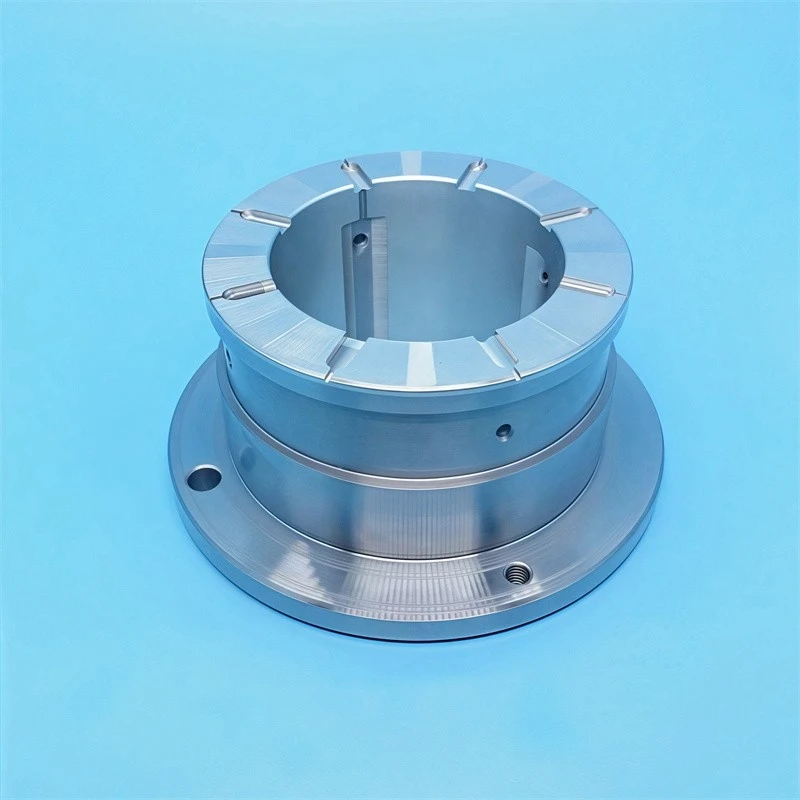

If you are in the market for high - quality fluid film thrust bearings or need further assistance with installation and maintenance, we are here to help. Our team of experts has extensive experience in the field and can provide you with the best solutions for your specific needs. Contact us to start a procurement discussion and take advantage of our reliable products and services.
References
- Machinery's Handbook, 31st Edition
- Tribology Handbook, Second Edition
- Manufacturer's Installation and Maintenance Manuals for Fluid Film Thrust Bearings