

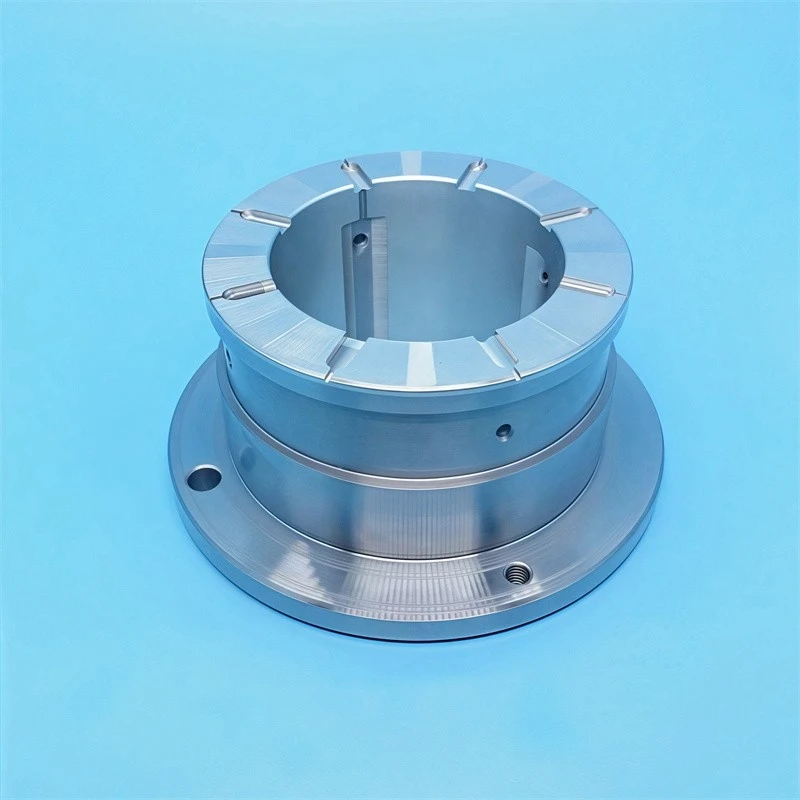
As a supplier of Taper - land Thrust Bearings, I understand the crucial importance of proper storage to maintain the quality and functionality of these precision components. Taper - land Thrust Bearings, which you can learn more about here, are designed to handle axial loads and are widely used in various industrial applications. Incorrect storage can lead to damage, corrosion, and reduced performance, ultimately resulting in costly replacements and downtime. In this blog, I will share some essential tips on how to store Taper - land Thrust Bearings properly to avoid damage.
1. Environmental Conditions
The first step in proper bearing storage is to control the environmental conditions. Bearings are sensitive to temperature, humidity, and dust, which can all have a negative impact on their performance.
Temperature
The ideal storage temperature for Taper - land Thrust Bearings is between 10°C and 30°C (50°F and 86°F). Extreme temperatures can cause the bearing materials to expand or contract, leading to internal stresses and potential damage. High temperatures can also accelerate the oxidation of lubricants, reducing their effectiveness. If the storage area is subject to temperature fluctuations, it is advisable to use temperature - controlled storage units.
Humidity
Humidity is another critical factor. High humidity levels can cause corrosion on the bearing surfaces, especially if the bearings are not properly protected. The relative humidity in the storage area should be kept below 60%. To achieve this, you can use dehumidifiers or desiccants in the storage space. Silica gel packets are a cost - effective and commonly used desiccant that can absorb moisture and help maintain a dry environment.
Dust and Contamination
Dust and other contaminants can enter the bearing and cause abrasion, wear, and damage to the rolling elements and raceways. The storage area should be clean and free from dust. It is recommended to store the bearings in sealed containers or plastic bags to prevent dust from settling on them. If possible, the storage area should be equipped with air filtration systems to reduce the amount of airborne particles.
2. Packaging
Proper packaging is essential for protecting Taper - land Thrust Bearings during storage. The original packaging provided by the manufacturer is usually designed to offer a certain level of protection, but additional measures can be taken.
Sealed Containers
After removing the bearings from their original packaging, they should be placed in sealed containers. These containers can be made of plastic or metal and should be airtight to prevent moisture and dust from entering. Label the containers with the bearing type, size, and other relevant information for easy identification.
Anti - Corrosion Packaging
For long - term storage, anti - corrosion packaging materials can be used. Vapor - phase corrosion inhibitors (VCI) are a popular choice. VCI materials release a protective vapor that forms a thin film on the bearing surfaces, preventing corrosion. You can use VCI paper or plastic bags to wrap the bearings before placing them in the storage containers.
3. Handling and Placement
How you handle and place the bearings in storage also matters significantly.
Gentle Handling
When handling Taper - land Thrust Bearings, always use clean gloves to prevent fingerprints and sweat from coming into contact with the bearing surfaces. Fingerprints can leave behind salts and acids that can cause corrosion. Avoid dropping or hitting the bearings, as even a small impact can cause internal damage to the rolling elements or raceways.
Proper Placement
Bearings should be stored in a way that minimizes stress on the components. They should be placed on a flat and stable surface. If the bearings are stacked, make sure they are properly aligned to avoid uneven pressure distribution. For large - sized bearings, it may be necessary to use storage racks or pallets to keep them in an upright position.
4. Lubrication
Lubrication plays a vital role in protecting the bearings during storage.
Initial Lubrication
Most Taper - land Thrust Bearings come pre - lubricated from the manufacturer. This lubricant provides a certain level of protection against corrosion and wear. However, for long - term storage, it may be necessary to re - apply lubricant. Choose a high - quality lubricant that is suitable for the bearing materials and the expected storage conditions.
Re - Lubrication
If the bearings are stored for an extended period, the lubricant may dry out or lose its effectiveness. Periodically check the lubrication status of the bearings and re - apply lubricant as needed. The frequency of re - lubrication depends on the storage conditions and the type of lubricant used.
5. Inspection and Monitoring
Regular inspection and monitoring of the stored bearings are crucial to detect any signs of damage or deterioration early.
Visual Inspection
Conduct visual inspections of the bearings at regular intervals. Look for signs of corrosion, rust, discoloration, or damage to the packaging. Check the lubrication level and the condition of the lubricant. If any issues are detected, take appropriate measures immediately, such as cleaning, re - lubricating, or replacing the damaged bearings.
Monitoring Environmental Conditions
Use sensors to monitor the temperature and humidity levels in the storage area continuously. Keep a record of these environmental conditions and any changes over time. This data can help you identify potential problems and take preventive actions.
6. Comparison with Other Types of Bearings
It's interesting to note how the storage requirements of Taper - land Thrust Bearings compare with other types of bearings, such as Tin Bronze Thrust Bearings and Plain Journal Fluid Film Bearings.
Tin Bronze Thrust Bearings
Tin Bronze Thrust Bearings are made of a different material compared to Taper - land Thrust Bearings. They are more resistant to corrosion but may be more susceptible to wear in certain applications. When storing Tin Bronze Thrust Bearings, similar environmental conditions should be maintained, but the focus on anti - corrosion measures may be relatively less. However, proper lubrication is still essential to prevent wear during storage.
Plain Journal Fluid Film Bearings
Plain Journal Fluid Film Bearings rely on a thin film of fluid to separate the moving parts. These bearings are more sensitive to contamination and misalignment. When storing Plain Journal Fluid Film Bearings, extra care should be taken to keep the storage area clean and to ensure that the bearings are not subjected to any external forces that could cause misalignment.
In conclusion, proper storage of Taper - land Thrust Bearings is a multi - faceted process that requires attention to environmental conditions, packaging, handling, lubrication, inspection, and monitoring. By following these guidelines, you can significantly reduce the risk of damage to the bearings and ensure their optimal performance when they are put into use.
If you are in the market for high - quality Taper - land Thrust Bearings or need more information on bearing storage and maintenance, I encourage you to reach out to discuss your specific requirements. Our team of experts is ready to assist you in making the right choices for your applications.

References
- ASME Standards on Bearing Storage and Handling
- Manufacturer's Guidelines for Taper - land Thrust Bearings
- Technical Literature on Fluid Film Bearings