

Hey there! I'm a supplier of Babbitt Flanged Bearings, and today I wanna chat about the noise level of these bearings during operation.
First off, let's get a bit of background. Babbitt Flanged Bearings are widely used in various industries, from automotive to heavy machinery. They're known for their durability and ability to handle high loads. You can find more info about them on this page: Babbitt Flanged Bearings.
So, what exactly affects the noise level of Babbitt Flanged Bearings when they're in action? Well, there are a few key factors.
One of the main things is the quality of the babbitt material itself. Babbitt is a soft alloy that's used as the lining in these bearings. If the babbitt has impurities or isn't properly applied, it can cause uneven wear and tear. This unevenness can lead to vibrations, which in turn create noise. For more on general Babbitt Bearings, check out Babbitt Bearing.
Another factor is the fit and alignment of the bearing. If the bearing isn't installed correctly, it can put extra stress on certain parts. This can result in abnormal friction and noise. For example, if the flange isn't properly aligned, it might rub against other components, making a squeaking or grinding sound.
The operating conditions also play a huge role. High speeds and heavy loads can increase the noise level. When the bearing is spinning really fast or carrying a lot of weight, there's more force and friction involved. This can cause the bearing to make more noise. Temperature is another thing. Extreme temperatures can affect the properties of the babbitt material. If it gets too hot, the babbitt might soften and start to deform, leading to increased noise.
Now, let's talk about how we measure the noise level of these bearings. Usually, we use a sound level meter. This device can give us an accurate reading of how loud the bearing is during operation. We measure the noise in decibels (dB). A normal, well - functioning Babbitt Flanged Bearing might produce noise in the range of 40 - 60 dB under normal operating conditions. But if there are issues like the ones I mentioned earlier, the noise level can go up significantly, maybe even reaching 80 dB or more.
To keep the noise level down, proper maintenance is crucial. Regular inspections can help us catch any problems early. We can check for signs of wear, misalignment, or overheating. Lubrication is also key. Using the right lubricant in the right amount can reduce friction and noise. For Sleeve Babbitt Bearings, which are related to our flanged ones, you can find more details here: Sleeve Babbitt Bearing.

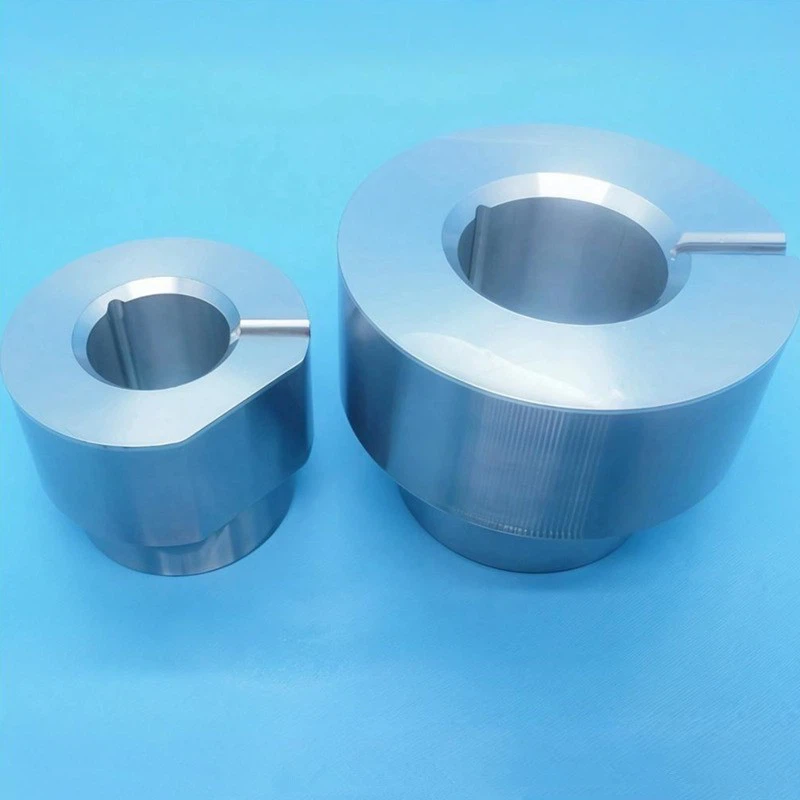
In some cases, we can also use noise - reducing techniques. For example, adding damping materials around the bearing can absorb some of the vibrations and reduce the noise. Another option is to optimize the design of the bearing. By making the shape and structure more aerodynamic or reducing the number of sharp edges, we can minimize the noise generated.
As a supplier, I understand the importance of providing high - quality Babbitt Flanged Bearings with low noise levels. That's why we have strict quality control measures in place. We test each bearing thoroughly before it leaves our facility to make sure it meets the required noise standards.
If you're in the market for Babbitt Flanged Bearings and are concerned about the noise level during operation, don't hesitate to reach out. We can provide you with detailed information about our products and how we ensure low - noise performance. Whether you need bearings for a small - scale project or a large industrial application, we've got you covered.
In conclusion, the noise level of Babbitt Flanged Bearings during operation is affected by multiple factors, including the quality of the babbitt material, fit and alignment, operating conditions, and more. By taking proper maintenance steps and using noise - reducing techniques, we can keep the noise at an acceptable level. If you have any questions or are interested in purchasing our Babbitt Flanged Bearings, feel free to contact us for a detailed discussion and to start the procurement process.
References
- "Handbook of Bearing Technology"
- Industry reports on Babbitt Bearings performance and noise analysis