

Hey there! As a supplier of Babbitt-lined Steps Seals, I often get asked if these seals can be used in vacuum applications. It's a valid question, and today, I'm gonna break it down for you.
First off, let's talk a bit about what Babbitt-lined Steps Seals are. Babbitt is a soft, white metal alloy that's great for reducing friction and wear. When it's used to line a steps seal, it creates a smooth surface that can effectively prevent leakage. These seals are commonly used in rotating equipment like pumps, compressors, and turbines to keep fluids or gases from escaping.
Now, onto the big question: Can they be used in vacuum applications? The short answer is yes, but there are some things you need to consider.
Advantages of Using Babbitt - lined Steps Seals in Vacuum Applications
One of the main advantages is their ability to handle different shaft movements. In vacuum systems, there can be some vibration and misalignment due to the pressure differences. Babbitt-lined Steps Seals are flexible enough to adapt to these movements without losing their sealing performance.

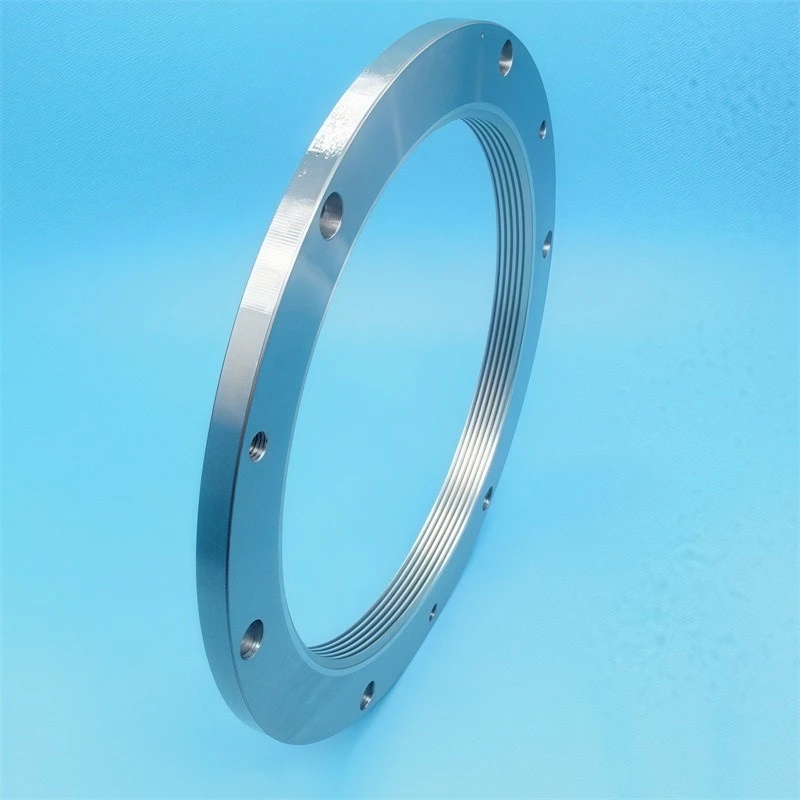
Another plus is their low friction. In a vacuum, every bit of energy efficiency counts. The low - friction nature of Babbitt helps reduce the power consumption of the rotating equipment, which can save you some serious cash in the long run.
Also, Babbitt is resistant to corrosion. In vacuum applications, there might be some residual gases or vapors that could potentially corrode the seal. The corrosion - resistant property of Babbitt ensures that the seal lasts longer and maintains its integrity.
Challenges and Considerations
However, it's not all sunshine and rainbows. There are a few challenges you need to be aware of when using Babbitt - lined Steps Seals in vacuum applications.
One major concern is outgassing. In a vacuum, any volatile substances in the seal material can evaporate and contaminate the vacuum environment. Babbitt itself has a relatively low outgassing rate, but the bonding agents or any contaminants on the surface could be a problem. So, it's crucial to properly clean and prepare the seal before installation.
The temperature can also be an issue. In vacuum applications, the temperature can vary widely. Babbitt has a relatively low melting point compared to some other metals. If the temperature gets too high, the Babbitt lining could start to deform, which would compromise the sealing performance. You need to make sure that the operating temperature of your vacuum system is within the acceptable range for Babbitt.
Types of Babbitt - lined Steps Seals for Vacuum Applications
We offer a variety of Babbitt - lined Steps Seals that are suitable for different vacuum applications. For example, the Φ150 Babbitt - lined Seal is great for larger - scale vacuum systems where a wider sealing area is required. It can handle higher pressures and larger shaft diameters.
If you have a smaller vacuum system, the Φ80 Babbitt - lined Seal might be a better choice. It's more compact and can fit into tight spaces without sacrificing sealing performance.
And for applications where you need extra durability, our Thick Babbitt - lined Seal is the way to go. The thicker Babbitt lining provides better resistance to wear and tear, making it ideal for long - term vacuum operations.
Installation and Maintenance
Proper installation is key to the success of using Babbitt - lined Steps Seals in vacuum applications. Make sure the seal is correctly aligned with the shaft and that all the mounting bolts are tightened to the specified torque. Any misalignment or loose bolts can lead to leakage and premature wear.
Regular maintenance is also essential. You should periodically check the seal for signs of wear, damage, or corrosion. If you notice any issues, it's important to replace the seal as soon as possible to avoid any major problems.
Conclusion
In conclusion, Babbitt - lined Steps Seals can definitely be used in vacuum applications, but you need to take into account the challenges and considerations we've discussed. If you're looking for a reliable and efficient sealing solution for your vacuum system, our Babbitt - lined Steps Seals are a great option.
If you're interested in learning more about our products or have any questions regarding their suitability for your specific vacuum application, don't hesitate to reach out. We're here to help you find the perfect sealing solution for your needs. Let's start a conversation and see how we can work together to make your vacuum system run smoothly.
References
- "Sealing Technology in Vacuum Systems" - Some Industry - specific Book
- "Properties and Applications of Babbitt Alloys" - Research Paper from a Reputable Institution