

Hey there! As a supplier of fluid film thrust bearings, I've seen firsthand how crucial it is to ensure their reliability during long - term operation. These bearings play a vital role in various industries, from power generation to marine applications. So, let's dive into some key strategies to keep these bearings running smoothly over the long haul.
1. Proper Installation
The first step in ensuring long - term reliability is getting the installation right. You know, a well - installed bearing is like a well - tuned instrument; it just performs better. First off, make sure the shaft and housing are clean and free of any debris or burrs. Even the tiniest piece of dirt can cause premature wear and tear.
Next, check the alignment. Misalignment is one of the biggest enemies of fluid film thrust bearings. If the shaft isn't perfectly aligned with the bearing, it can lead to uneven loading. This uneven load distribution can cause excessive stress on certain parts of the bearing, leading to fatigue and eventually failure. You can use laser alignment tools to get the most accurate results.
Also, pay attention to the pre - load. The pre - load is the amount of force applied to the bearing before it starts operating. It's important to set the pre - load according to the manufacturer's specifications. Too little pre - load can cause the bearing to move around, while too much can increase friction and heat generation.
2. High - Quality Lubrication
Lubrication is the lifeblood of fluid film thrust bearings. It reduces friction, dissipates heat, and protects the bearing surfaces from wear. You need to choose the right lubricant for your specific application. Factors like operating temperature, load, and speed all play a role in determining the best lubricant.
For high - temperature applications, synthetic lubricants are often a great choice. They can withstand extreme temperatures without breaking down. On the other hand, mineral - based lubricants are more cost - effective for lower - temperature applications.
Regularly monitor the lubricant's condition. Check for contaminants like dirt, water, or metal particles. Contaminated lubricant can cause abrasive wear and corrosion. You can use oil analysis techniques to detect any issues early on. And don't forget to change the lubricant at the recommended intervals. A fresh supply of clean lubricant can significantly extend the bearing's lifespan.
3. Monitoring and Maintenance
Continuous monitoring is essential for long - term reliability. You can use various sensors to keep an eye on the bearing's performance. Temperature sensors can detect any abnormal heat generation, which could indicate a problem like excessive friction or a lack of lubrication. Vibration sensors can pick up any unusual vibrations, which might be a sign of misalignment or internal damage.
Set up a regular maintenance schedule. This should include visual inspections, lubricant changes, and any necessary adjustments. During visual inspections, look for signs of wear, such as pitting, scoring, or discoloration. If you notice any of these issues, it's important to take action immediately.
You can also perform preventive maintenance tasks like re - greasing or replacing worn - out parts before they cause a major failure. By being proactive, you can avoid costly downtime and repairs.

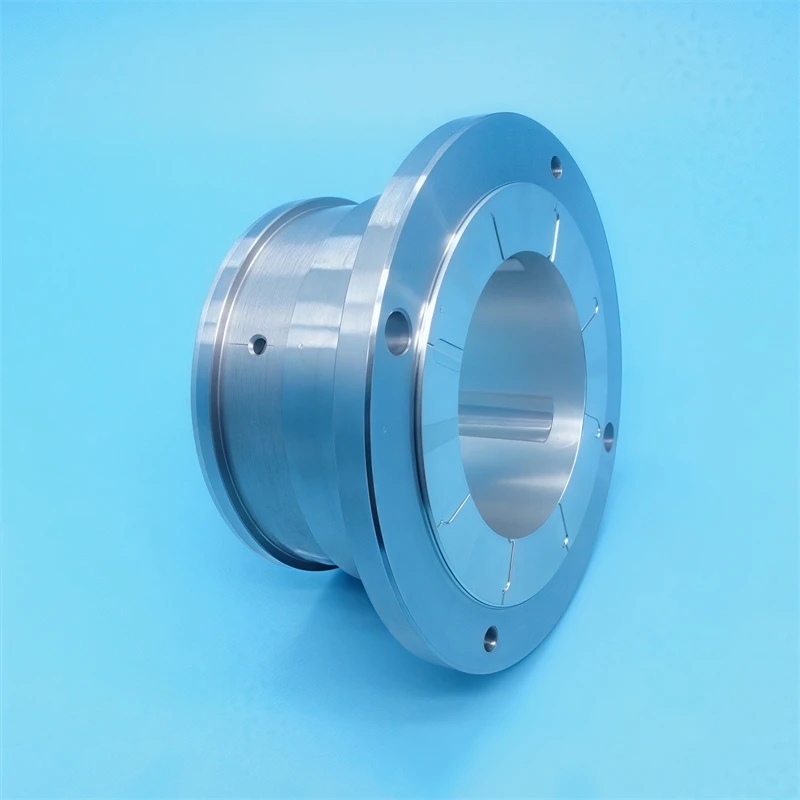
4. Selecting the Right Bearing Design
Not all fluid film thrust bearings are created equal. Different designs are suitable for different applications. For example, the Taper - land Thrust Bearing is known for its excellent load - carrying capacity and stability. It's often used in high - load applications where reliability is crucial.
The Tin Bronze Thrust Bearing is another popular option. It has good corrosion resistance and can operate in a wide range of temperatures. This makes it suitable for applications in harsh environments.
If you're dealing with a rotating shaft, the Plain Journal Fluid Film Bearing might be a good choice. It provides smooth operation and can handle both radial and axial loads.
When selecting a bearing design, consider factors like load capacity, speed, operating temperature, and environmental conditions. Choosing the right bearing from the start can save you a lot of headaches down the road.
5. Training and Education
Your maintenance and operating staff need to be well - trained in handling fluid film thrust bearings. They should understand the importance of proper installation, lubrication, and maintenance. Provide them with regular training sessions to keep their skills up - to - date.
Educate them on how to use the monitoring equipment effectively. Teach them how to interpret the data from the sensors and what actions to take when they detect a problem. A well - informed team can make a big difference in ensuring the long - term reliability of your bearings.
Conclusion
Ensuring the reliability of fluid film thrust bearings in long - term operation is a multi - faceted process. It involves proper installation, high - quality lubrication, continuous monitoring, selecting the right bearing design, and training your staff. By following these strategies, you can significantly extend the lifespan of your bearings and reduce the risk of unexpected failures.
If you're in the market for fluid film thrust bearings or need more advice on ensuring their long - term reliability, don't hesitate to reach out. We're here to help you find the best solutions for your specific needs. Let's start a conversation and see how we can work together to keep your operations running smoothly.
References
- Harris, T. A., & Kotzalas, M. N. (2007). Rolling Bearing Analysis. Wiley.
- Khonsari, M. M., & Booser, E. R. (2001). Applied Tribology: Bearing Design and Lubrication. Wiley.