

As a supplier of Sleeve Babbitt Bearings, I've encountered numerous inquiries regarding the suitability of these bearings for high - speed applications. This blog post aims to delve into the technical aspects and practical considerations to provide a comprehensive answer to this question.
Understanding Sleeve Babbitt Bearings
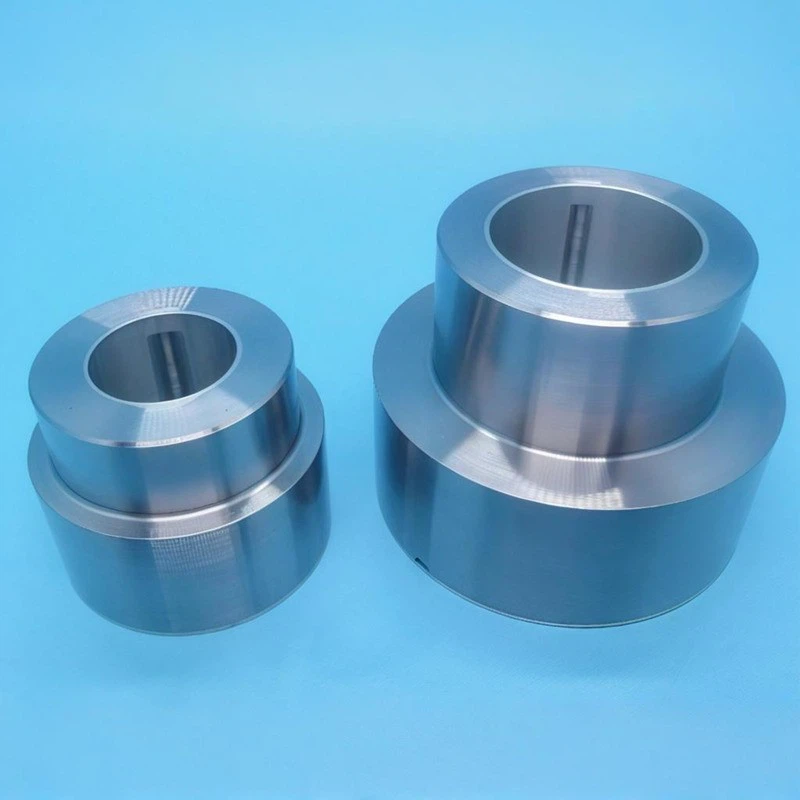
Before discussing their use in high - speed applications, it's essential to understand what Sleeve Babbitt Bearings are. Sleeve Babbitt Bearings Sleeve Babbitt Bearing are a type of fluid - film bearing that consists of a sleeve - shaped component with a layer of Babbitt metal lining. Babbitt metal is a soft, white alloy typically composed of tin, antimony, and copper. This lining provides a low - friction surface and excellent conformability, which helps to accommodate misalignments and absorb vibrations.
The primary function of Sleeve Babbitt Bearings is to support rotating shafts and reduce friction between the shaft and the bearing housing. They work by creating a thin film of lubricant between the Babbitt lining and the shaft, which separates the two surfaces and allows for smooth rotation.
Factors Affecting the Use of Sleeve Babbitt Bearings in High - Speed Applications
Lubrication
Lubrication is one of the most critical factors when considering the use of Sleeve Babbitt Bearings in high - speed applications. At high speeds, the lubricant must be able to maintain a stable film between the bearing and the shaft. Insufficient lubrication can lead to increased friction, heat generation, and ultimately, bearing failure.

The type of lubricant used also plays a crucial role. High - speed applications often require lubricants with high viscosity - index oils that can maintain their viscosity over a wide range of temperatures. Additionally, the lubrication system must be designed to ensure proper distribution of the lubricant throughout the bearing.
Heat Dissipation
High - speed rotation generates a significant amount of heat. Sleeve Babbitt Bearings must be able to dissipate this heat effectively to prevent overheating. Overheating can cause the Babbitt metal to soften, leading to wear and reduced bearing life.
To enhance heat dissipation, the bearing design may incorporate features such as cooling channels or fins. The housing material and its thermal conductivity also play a role in heat transfer. For example, using materials with high thermal conductivity can help to transfer heat away from the bearing more efficiently.
Dynamic Stability
At high speeds, the dynamic stability of the bearing becomes a major concern. Sleeve Babbitt Bearings must be able to maintain stable operation without experiencing excessive vibrations or whirl. Whirl is a self - excited vibration that can occur when the bearing loses its stability, and it can cause severe damage to the bearing and the shaft.
The design of the bearing, including its geometry and clearance, affects its dynamic stability. Properly designed bearings with appropriate clearances can help to suppress whirl and ensure stable operation at high speeds.
Material Properties
The properties of the Babbitt metal and the bearing housing material are also important. The Babbitt metal must have sufficient hardness and fatigue resistance to withstand the high - speed forces and repeated loading. Additionally, the housing material must be strong enough to support the bearing and resist deformation.
Advantages of Using Sleeve Babbitt Bearings in High - Speed Applications
Low Friction
Sleeve Babbitt Bearings offer low friction due to the presence of the Babbitt lining and the fluid - film lubrication. This low friction reduces power consumption and heat generation, making them suitable for high - speed applications where energy efficiency is crucial.
Conformability
The soft Babbitt lining can conform to minor misalignments and shaft irregularities. This conformability helps to distribute the load evenly across the bearing surface, reducing stress concentrations and improving the bearing's ability to operate smoothly at high speeds.
Shock Absorption
Sleeve Babbitt Bearings can absorb shocks and vibrations effectively. In high - speed applications, where sudden changes in load or speed can occur, this shock - absorbing property helps to protect the bearing and the shaft from damage.
Applications of Sleeve Babbitt Bearings in High - Speed Machinery
Turbines
Turbines are a prime example of high - speed machinery where Sleeve Babbitt Bearings are commonly used. Steam turbines, gas turbines, and hydro turbines operate at extremely high speeds, and the low - friction and high - load - carrying capabilities of Sleeve Babbitt Bearings make them an ideal choice. These bearings can support the rotating shafts and ensure smooth and efficient operation of the turbines.
Compressors
Compressors, such as centrifugal compressors, also operate at high speeds. Sleeve Babbitt Bearings can provide the necessary support and stability for the compressor shafts. Their ability to handle high loads and dissipate heat makes them suitable for the demanding conditions in compressor applications.
Electric Motors
High - speed electric motors require bearings that can operate with low friction and high reliability. Sleeve Babbitt Bearings can meet these requirements and are often used in motors for applications such as machine tools, pumps, and fans.
Case Studies
Case Study 1: A Steam Turbine Application
In a large - scale power plant, a steam turbine was experiencing issues with its bearings. The original bearings were causing excessive vibrations and had a short service life. After replacing them with Sleeve Babbitt Bearings Sleeve Babbitt Bearing, the turbine's performance improved significantly. The low friction of the Babbitt bearings reduced power consumption, and the improved heat dissipation and dynamic stability eliminated the vibration problems. The bearing life also increased, resulting in reduced maintenance costs.
Case Study 2: A Centrifugal Compressor
A centrifugal compressor in a chemical plant was facing problems with bearing wear and instability at high speeds. By switching to Sleeve Babbitt Bearings, the compressor's operation became more stable. The conformability of the Babbitt lining allowed the bearing to adapt to minor misalignments, and the shock - absorbing properties protected the bearing from the high - speed forces. As a result, the compressor's efficiency increased, and the downtime for maintenance was reduced.
Conclusion
In conclusion, Sleeve Babbitt Bearings can be used in high - speed applications, but careful consideration must be given to factors such as lubrication, heat dissipation, dynamic stability, and material properties. When properly designed and maintained, these bearings offer several advantages, including low friction, conformability, and shock absorption.
As a supplier of Sleeve Babbitt Bearings, we have the expertise and experience to provide high - quality bearings for a wide range of high - speed applications. Our Babbitt Flanged Bearings and Babbitt Bearing products are designed to meet the demanding requirements of high - speed machinery.
If you are looking for reliable bearings for your high - speed applications, we encourage you to contact us for a detailed discussion about your specific needs. Our team of experts can help you select the most suitable bearing design and provide technical support throughout the procurement process.
References
- Harris, T. A., & Kotzalas, M. N. (2007). Rolling Bearing Analysis. Wiley.
- ESDU International. (2012). Design of Fluid - Film Journal Bearings.
- Khonsari, M. M., & Booser, E. R. (2001). Applied Tribology: Bearing Design and Lubrication. Wiley.