

Hey there! As a supplier of Tilting Pad Thrust Bearings, I often get asked about the maximum speed at which these bearings can operate. It's a crucial question, especially for industries where high - speed machinery is the norm. So, let's dive right in and explore this topic.
First off, what exactly is a Tilting Pad Thrust Bearing? Well, a Tilting Pad Thrust Bearing is a type of bearing designed to handle axial loads. It consists of several pads that are free to tilt, which helps in creating a hydrodynamic film of lubricant between the pads and the rotating collar. This film is essential as it reduces friction and wear, allowing the bearing to function smoothly.

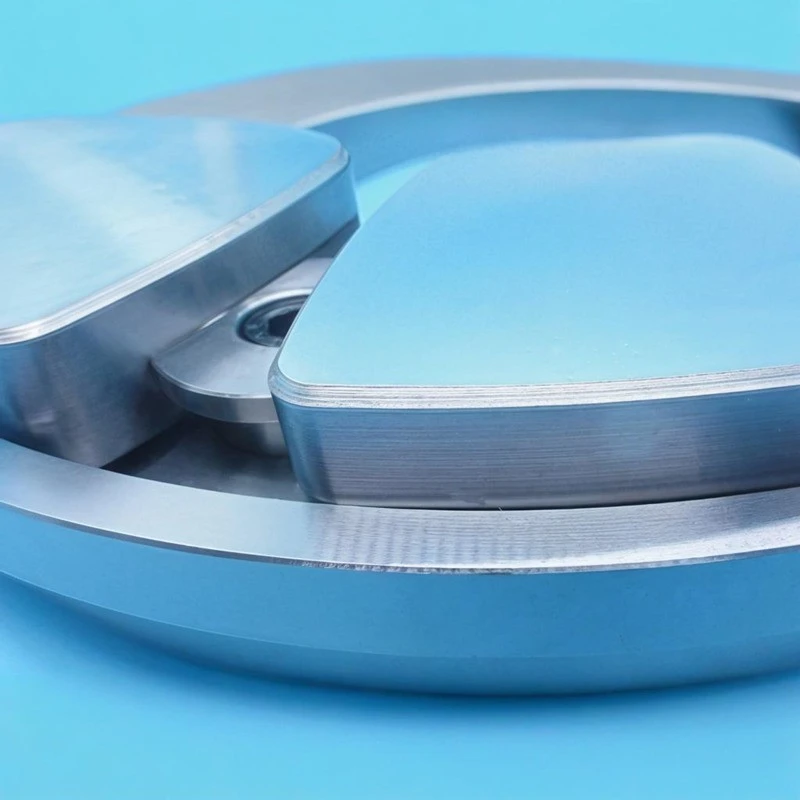
The maximum operating speed of a Tilting Pad Thrust Bearing isn't a one - size - fits - all number. It depends on a bunch of factors. One of the key factors is the design of the bearing itself. The number of pads, their size, and shape can all have an impact on how fast the bearing can spin. For instance, a bearing with more pads might be able to handle higher speeds because it distributes the load more evenly.
Another important factor is the lubrication. Proper lubrication is like the lifeblood of a bearing. The type of lubricant used, its viscosity, and the way it's supplied to the bearing all play a role in determining the maximum speed. A high - quality lubricant with the right viscosity can form a stable hydrodynamic film even at high speeds, reducing friction and heat generation. If the lubrication is inadequate, the bearing can overheat, leading to premature wear and failure.
The material of the pads and the collar also matters. Bearings made from high - strength materials can withstand the forces and stresses associated with high - speed operation better than those made from weaker materials. For example, some modern Tilting Pad Thrust Bearings use advanced alloys that have excellent wear resistance and high - temperature stability.
Now, let's talk about some real - world numbers. In general, Tilting Pad Thrust Bearings can operate at speeds ranging from a few hundred RPM to several thousand RPM. In applications like small pumps or compressors, the operating speeds might be in the range of 1000 - 3000 RPM. However, in high - performance turbines or generators, these bearings can reach speeds of 5000 RPM or even higher.
But here's the thing: just because a bearing can technically operate at a certain speed doesn't mean it should all the time. Running a bearing at its maximum speed for extended periods can put a lot of stress on it, reducing its lifespan. It's often a good idea to operate the bearing at a speed that's a bit below its maximum capacity to ensure long - term reliability.
The operating environment is also a big deal. If the bearing is operating in a dirty or harsh environment, it can affect its performance and maximum speed. Contaminants in the lubricant can damage the pads and the collar, reducing the effectiveness of the hydrodynamic film. High temperatures or extreme humidity can also have a negative impact on the bearing's performance.
When it comes to the assembly of a Tilting Pad Thrust Bearing, proper installation is crucial for achieving the best performance and maximum speed. A Tilting Pad Thrust Bearing Assembly needs to be done with precision. The pads need to be installed correctly, and the clearances need to be set accurately. Any misalignment during assembly can lead to uneven loading, which can limit the maximum speed and cause premature failure.
As a supplier, I've seen firsthand how different factors can affect the maximum speed of these bearings. I've worked with customers in various industries, from power generation to oil and gas, and each application has its own unique requirements. That's why we offer customized solutions. We can design and manufacture Tilting Pad Thrust Bearings that are tailored to the specific needs of our customers, whether it's a high - speed application or one that requires high load - carrying capacity.
If you're in the market for a Pad Thrust Bearing, it's important to consider all these factors. Don't just focus on the maximum speed; think about the overall performance, reliability, and lifespan of the bearing.
We've got a team of experts who can help you choose the right bearing for your application. Whether you're looking to upgrade an existing system or build a new one from scratch, we can provide you with the advice and support you need. We understand that every customer's situation is different, and we're committed to finding the best solution for you.
If you're interested in learning more about our Tilting Pad Thrust Bearings or have any questions about their maximum operating speed, don't hesitate to reach out. We're here to help you make the right choice for your business. Whether it's for a small - scale project or a large - scale industrial application, we've got the expertise and the products to meet your needs.
In conclusion, the maximum speed at which a Tilting Pad Thrust Bearing can operate is influenced by multiple factors, including design, lubrication, materials, and the operating environment. While there are general speed ranges, it's important to consider all aspects to ensure the long - term performance and reliability of the bearing. If you're in the market for a Tilting Pad Thrust Bearing, get in touch with us, and let's have a chat about how we can help you.
References
- Harris, T. A., & Kotzalas, M. N. (2007). Rolling Bearing Analysis. Wiley.
- Raimondi, A. A., & Boyd, J. (1958). A Solution for the Finite Journal Bearing and Its Application to Analysis and Design - Part I: Theoretical Solution. Transactions of the ASME, 80(7), 1277 - 1293.
- Zaretsky, E. V. (2007). Ball and Roller Bearing Engineering. CRC Press.