

As a supplier of Sleeve Babbitt Bearings, I often encounter inquiries from customers about the lifespan of these bearings. Understanding the factors that influence the lifespan of Sleeve Babbitt Bearings is crucial for both manufacturers and end - users. In this blog, I'll delve into the various aspects that determine how long a Sleeve Babbitt Bearing can last.
What is a Sleeve Babbitt Bearing?
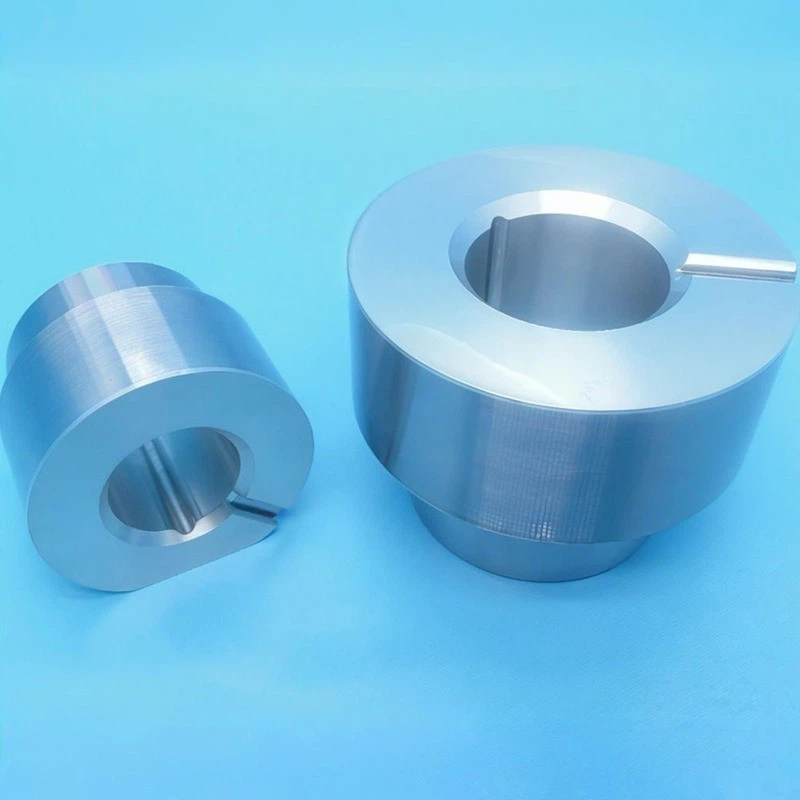
Before discussing its lifespan, let's briefly introduce what a Sleeve Babbitt Bearing is. A Sleeve Babbitt Bearing is a type of fluid - film bearing. It consists of a sleeve - shaped bearing shell lined with a layer of Babbitt metal. Babbitt metal is a soft alloy, typically composed of tin, antimony, and copper. This soft lining provides excellent anti - friction and anti - seizure properties, making it suitable for applications where high - speed rotation and heavy loads are involved.
Factors Affecting the Lifespan of Sleeve Babbitt Bearings
1. Operating Conditions
- Load: One of the most significant factors is the load that the bearing has to withstand. Heavy loads can cause excessive stress on the Babbitt lining, leading to wear and deformation. For example, in industrial machinery such as large - scale pumps or compressors, the bearings are subjected to high radial and axial loads. If the load exceeds the bearing's rated capacity, the lifespan will be significantly reduced.
- Speed: High rotational speeds generate more heat and friction within the bearing. The Babbitt lining needs to dissipate this heat effectively. If the speed is too high, the temperature of the bearing can rise rapidly, which may cause the Babbitt metal to soften and wear out faster. In high - speed turbines, for instance, precise control of the rotational speed is essential to ensure the longevity of the Sleeve Babbitt Bearings.
- Temperature: Extreme temperatures, either too high or too low, can have a negative impact on the bearing's lifespan. High temperatures can cause the Babbitt metal to expand and lose its mechanical properties, while low temperatures can make the metal more brittle. In applications where the bearing operates in a hot environment, such as in some automotive engines, proper cooling systems are necessary to maintain an optimal temperature.
2. Lubrication
- Quality of Lubricant: The lubricant used in Sleeve Babbitt Bearings plays a vital role in reducing friction and wear. A high - quality lubricant with good viscosity and anti - wear properties can form a stable fluid film between the bearing and the shaft. This fluid film separates the two surfaces, preventing direct metal - to - metal contact. If the lubricant is contaminated or of poor quality, it can lead to increased friction and premature wear of the Babbitt lining.
- Lubrication Method: The way the lubricant is supplied to the bearing also affects its performance. There are different lubrication methods, such as splash lubrication, pressure lubrication, and oil mist lubrication. Each method has its own advantages and limitations. For example, pressure lubrication is more suitable for high - load and high - speed applications as it can ensure a continuous supply of lubricant to the bearing.
3. Installation and Alignment
- Proper Installation: Incorrect installation of the Sleeve Babbitt Bearing can cause uneven loading and stress distribution. For example, if the bearing is not properly seated in its housing or if the shaft is misaligned during installation, it can lead to excessive wear on one side of the bearing. This can significantly shorten the bearing's lifespan.
- Alignment: Shaft alignment is crucial for the smooth operation of Sleeve Babbitt Bearings. Misaligned shafts can cause the bearing to experience additional forces, which can lead to premature failure. Regular alignment checks and adjustments are necessary, especially in applications where the machinery is subject to vibrations or thermal expansion.
4. Material Quality
- Babbitt Metal Composition: The composition of the Babbitt metal used in the bearing lining can affect its performance and lifespan. Different compositions of Babbitt metal have different properties, such as hardness, ductility, and anti - friction characteristics. A well - formulated Babbitt metal with the right balance of elements can provide better wear resistance and longer service life.
- Base Material of the Bearing Shell: The base material of the bearing shell also plays a role. It needs to provide sufficient strength and support for the Babbitt lining. A high - quality base material can ensure that the bearing can withstand the loads and stresses without deforming.
Typical Lifespan of Sleeve Babbitt Bearings
It is difficult to give a specific lifespan for Sleeve Babbitt Bearings because it depends on the factors mentioned above. In general, under normal operating conditions with proper lubrication, installation, and alignment, a Sleeve Babbitt Bearing can last anywhere from several thousand to tens of thousands of hours.
For example, in a well - maintained industrial pump operating at moderate loads and speeds, the Sleeve Babbitt Bearings may have a lifespan of 20,000 - 30,000 hours. However, in more demanding applications such as high - speed and high - load turbines, the lifespan may be reduced to 5,000 - 10,000 hours.
Maintenance and Inspection
Regular maintenance and inspection are essential to extend the lifespan of Sleeve Babbitt Bearings.
- Lubricant Analysis: Periodic analysis of the lubricant can provide valuable information about the condition of the bearing. By checking the lubricant for contaminants, wear particles, and changes in viscosity, early signs of bearing wear can be detected.
- Visual Inspection: Visual inspection of the bearing during maintenance intervals can reveal signs of wear, such as scratches, pits, or discoloration on the Babbitt lining. If any abnormalities are found, appropriate measures can be taken, such as replacing the bearing or adjusting the operating conditions.
- Alignment Checks: Regular alignment checks of the shaft and the bearing housing can prevent misalignment - related problems. This can be done using precision alignment tools.
Our Role as a Sleeve Babbitt Bearing Supplier
As a trusted supplier of Sleeve Babbitt Bearings, we are committed to providing high - quality products. We use advanced manufacturing techniques to ensure the proper composition and thickness of the Babbitt lining. Our bearings are designed to meet the specific requirements of different applications, considering factors such as load, speed, and temperature.
In addition to supplying high - quality bearings, we also offer technical support to our customers. We can help with the selection of the right bearing for a particular application, provide advice on installation and maintenance, and offer solutions to any bearing - related problems.
Conclusion
The lifespan of a Sleeve Babbitt Bearing is influenced by a variety of factors, including operating conditions, lubrication, installation, and material quality. By understanding these factors and taking appropriate measures, such as proper maintenance and inspection, the lifespan of the bearing can be significantly extended.
If you are in need of high - quality Sleeve Babbitt Bearings or have any questions about their selection, installation, or maintenance, we invite you to contact us for a detailed discussion. We are eager to assist you in finding the best bearing solutions for your specific applications. Whether you are involved in the manufacturing industry, power generation, or any other field that requires reliable bearings, our team of experts is ready to serve you.

References
- Machinery's Handbook, 31st Edition
- Tribology Handbook: Friction, Lubrication, and Wear, Second Edition
- Standards and Guidelines for Bearing Installation and Maintenance by Industry Associations