

Hey there! As a fluid film thrust bearings supplier, I've seen firsthand how different factors can impact these bearings' performance. One key factor that often doesn't get as much attention as it should is the fluid's density. So, in this blog, I'll break down what exactly the effect of the fluid's density is on the performance of fluid film thrust bearings.
Understanding Fluid Film Thrust Bearings First
Before diving into the role of fluid density, let's quickly recap what fluid film thrust bearings are. These bearings are crucial components in a wide range of machinery, from industrial pumps to turbines. They work by creating a thin film of fluid between two surfaces, which helps to reduce friction and wear. When the shaft rotates, it pulls the fluid into the bearing gap, building up pressure that supports the load.
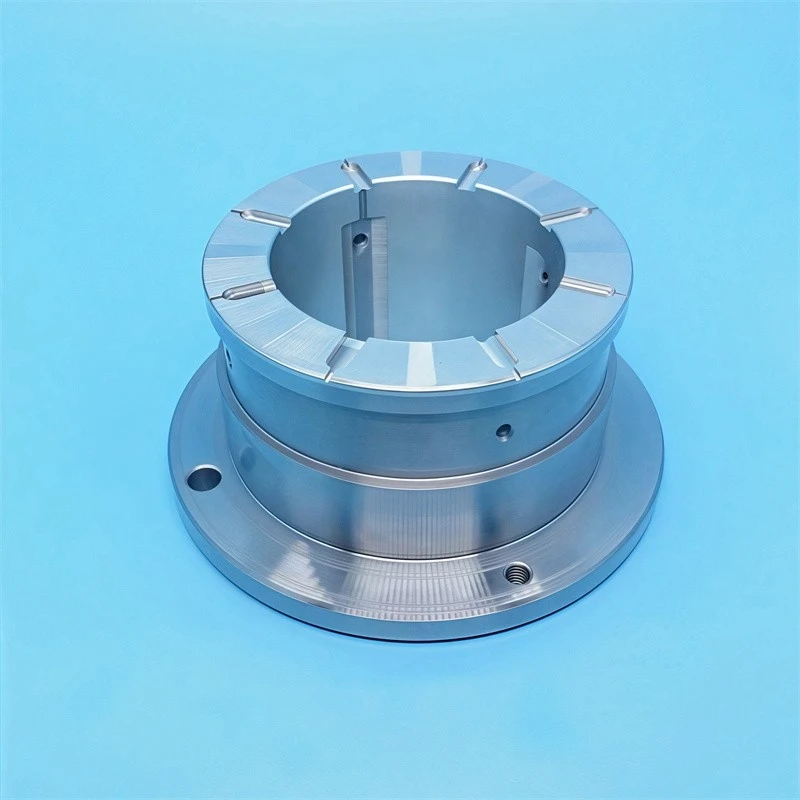
There are different types of fluid film thrust bearings out there. For instance, the Plain Journal Fluid Film Bearing is a simple yet effective design. It has a cylindrical shape and is used in many applications where moderate loads and speeds are involved. Then, there's the Taper-land Thrust Bearing, which has a tapered land on the bearing surface. This design helps to improve the load - carrying capacity and stability of the bearing. And of course, the general Fluid Film Thrust Bearing encompasses a variety of designs and applications.
How Fluid Density Comes into Play
Now, let's talk about how the density of the fluid affects these bearings. Density is basically the mass of the fluid per unit volume. A higher - density fluid has more mass in the same amount of space compared to a lower - density fluid.
1. Load - Carrying Capacity
One of the main effects of fluid density on fluid film thrust bearings is on their load - carrying capacity. When the density of the fluid is higher, the fluid can generate more pressure in the bearing gap. This increased pressure allows the bearing to support heavier loads without the fluid film breaking down.
Think of it like this: imagine you're trying to lift a heavy object with a cushion of air. If the air is dense, it can support more weight before collapsing. Similarly, a high - density fluid in a thrust bearing can create a more robust fluid film that can handle greater loads. In applications where large axial loads are present, like in large marine engines, choosing a fluid with the right density is crucial for the bearing to function properly.
2. Heat Generation
Another important aspect is heat generation. A fluid with higher density generally has more internal friction. When the bearing is in operation, the fluid is sheared between the moving surfaces, and this internal friction causes heat to be generated.
If the heat isn't dissipated properly, it can lead to a rise in the bearing's temperature. High temperatures can damage the bearing material, reduce the viscosity of the fluid (which can further affect the bearing's performance), and even cause premature failure. So, while a high - density fluid can offer better load - carrying capacity, we need to make sure the bearing has an effective cooling system to handle the increased heat.
3. Viscosity - Density Relationship
Fluid density also has a relationship with viscosity. Viscosity is the measure of a fluid's resistance to flow. In many cases, as the density of a fluid increases, its viscosity also increases.

A more viscous fluid can provide a thicker fluid film in the bearing gap. This thicker film can be beneficial for reducing wear and noise. However, it also means that the fluid will require more energy to flow, which can increase the power consumption of the machinery. In applications where energy efficiency is a priority, we need to strike a balance between the density and viscosity of the fluid.
Real - World Considerations for Suppliers and Users
As a supplier, we need to educate our customers about the importance of fluid density when it comes to fluid film thrust bearings. We often work closely with them to understand their specific applications, including the load requirements, operating speeds, and environmental conditions.
For example, if a customer is using a Taper - land Thrust Bearing in a high - speed turbine, we would discuss the optimal fluid density based on the turbine's design and operating parameters. We might recommend a fluid with a medium density to balance load - carrying capacity, heat generation, and power consumption.
On the other hand, users also have a responsibility. They need to monitor the condition of the fluid in the bearing regularly. Over time, the density of the fluid can change due to factors like contamination, oxidation, or temperature variations. A change in fluid density can significantly impact the bearing's performance, so it's essential to check the fluid's properties and replace it when necessary.
Impact on Bearing Design
The fluid's density also has an impact on the design of fluid film thrust bearings. Engineers need to consider the expected fluid density when designing the bearing geometry, such as the bearing clearance, pad shape, and oil - supply system.
For a bearing that is intended to work with a high - density fluid, the bearing clearance might be designed to be slightly larger to accommodate the thicker fluid film. The pad shape might also be optimized to ensure proper fluid flow and pressure distribution. Additionally, the oil - supply system needs to be able to deliver the fluid at the right pressure and flow rate, taking into account the fluid's density.
Conclusion and Call to Action
In conclusion, the density of the fluid has a significant effect on the performance of fluid film thrust bearings. It influences the load - carrying capacity, heat generation, viscosity, and even the bearing design. As a fluid film thrust bearings supplier, we're committed to helping our customers make the best choices when it comes to fluid selection and bearing operation.
If you're in the market for fluid film thrust bearings or have any questions about how fluid density can affect your application, don't hesitate to get in touch with us. We have a team of experts ready to assist you in finding the right solution for your specific needs. Whether it's a Plain Journal Fluid Film Bearing or a Taper - land Thrust Bearing, we can provide the guidance and products you need.
References
- Hamrock, B. J., Schmid, S. R., & Jacobson, B. O. (2004). Fundamentals of Fluid Film Lubrication. McGraw - Hill.
- Szeri, A. Z. (2005). Fluid Film Lubrication: Theory and Design. Cambridge University Press.