

Fluid film thrust bearings are crucial components in various industrial applications, offering smooth operation and reliable performance. As a supplier of fluid film thrust bearings, I've seen firsthand how fluid contamination can significantly impact these bearings. In this blog, I'll dive into the effects of fluid contamination on fluid film thrust bearings and why it's essential to keep the fluid clean.
How Fluid Film Thrust Bearings Work
Before we get into the effects of contamination, let's quickly review how fluid film thrust bearings work. These bearings use a thin film of fluid, usually oil, to separate the rotating and stationary parts. This fluid film creates a low - friction environment, allowing the bearing to support axial loads with minimal wear. The fluid is continuously circulated through the bearing to maintain the film and carry away heat generated during operation.
Types of Fluid Film Thrust Bearings
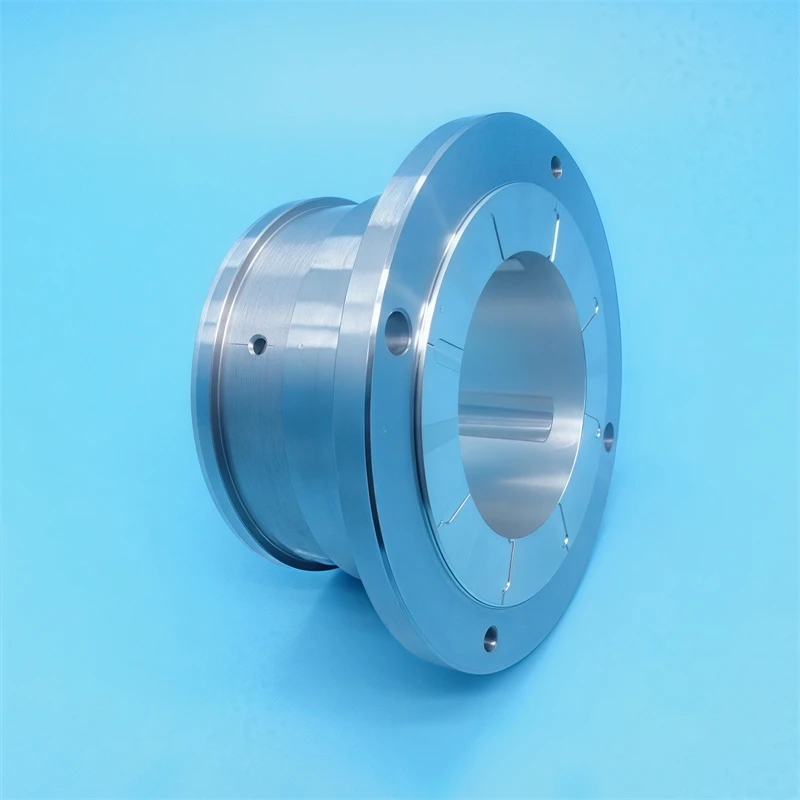
There are several types of fluid film thrust bearings, each with its own unique design and characteristics. For example, the Tin Bronze Thrust Bearing is known for its excellent wear resistance and load - carrying capacity. The Plain Journal Fluid Film Bearing is a simple yet effective design that provides reliable performance in many applications. And the Taper - land Thrust Bearing is designed to optimize the fluid film formation and improve the bearing's efficiency.
Sources of Fluid Contamination
Fluid contamination can come from various sources. One common source is external debris, such as dust, dirt, and metal particles. These can enter the fluid system through poorly sealed components or during maintenance operations. Another source is internal wear. As the bearing operates, small particles of metal or other materials can be worn off and contaminate the fluid. Chemical contaminants, like water and oxidation by - products, can also degrade the fluid quality over time.
Effects of Fluid Contamination on Fluid Film Thrust Bearings
Increased Wear
One of the most significant effects of fluid contamination is increased wear on the bearing surfaces. When contaminants are present in the fluid, they act like abrasives. As the bearing rotates, these particles are forced between the bearing surfaces, scratching and wearing away the material. Over time, this can lead to premature failure of the bearing. For example, hard metal particles can cause scoring on the bearing pads, reducing their ability to support the load and increasing friction.

Reduced Lubrication Efficiency
Contaminated fluid can also reduce the lubrication efficiency of the bearing. The fluid film is designed to provide a smooth, low - friction interface between the rotating and stationary parts. However, contaminants can disrupt this film. They can cause the fluid to become more viscous or change its chemical properties, making it less effective at separating the surfaces. This results in increased friction and heat generation, which can further damage the bearing and the fluid itself.
Corrosion
Some contaminants, such as water and certain chemicals, can cause corrosion of the bearing components. Water can react with the metal surfaces of the bearing, forming rust and other corrosion products. These corrosion products can flake off and contaminate the fluid even more, creating a vicious cycle. Corrosion weakens the bearing structure and can lead to catastrophic failure if not addressed promptly.
Clogging of Fluid Passages
Contaminants can also clog the fluid passages within the bearing. The fluid needs to flow freely through the bearing to maintain the fluid film and carry away heat. When the passages are clogged, the fluid flow is restricted. This can lead to uneven distribution of the fluid film, causing hot spots and increased stress on the bearing surfaces. In severe cases, it can even lead to a complete breakdown of the fluid film, resulting in metal - to - metal contact and bearing failure.
Impact on Bearing Performance and System Reliability
The combined effects of increased wear, reduced lubrication efficiency, corrosion, and clogged passages can have a significant impact on the overall performance of the fluid film thrust bearing and the reliability of the entire system. A bearing that is suffering from fluid contamination may experience increased vibration, noise, and power consumption. These symptoms can indicate impending failure and can lead to costly downtime for maintenance and replacement.
Preventing Fluid Contamination
As a supplier, I always recommend taking proactive measures to prevent fluid contamination. Regular fluid analysis is essential to monitor the quality of the fluid and detect any signs of contamination early. This allows for timely corrective actions, such as fluid replacement or filtration. Proper sealing of the bearing system can prevent external debris from entering the fluid. Using high - quality filters can also help remove contaminants from the fluid before they cause damage. Additionally, following proper maintenance procedures, such as keeping the work area clean during maintenance operations, can minimize the risk of introducing contaminants into the system.
Conclusion
Fluid contamination can have a detrimental effect on fluid film thrust bearings. It can lead to increased wear, reduced lubrication efficiency, corrosion, and clogging of fluid passages, all of which can compromise the performance and reliability of the bearing and the entire system. As a supplier, I understand the importance of clean fluid for the proper operation of fluid film thrust bearings. By taking preventive measures and being vigilant about fluid quality, you can extend the life of your bearings and avoid costly breakdowns.
If you're in the market for high - quality fluid film thrust bearings or need more information on how to maintain them, I'd love to have a chat. Contact me to discuss your specific requirements and how we can work together to ensure the optimal performance of your systems.
References
- "Handbook of Fluid Film Bearings" by A. A. Raimondi and J. Boyd
- "Tribology in Machine Design" by M. M. Khonsari and E. R. Booser