

As a seasoned supplier of babbitt bearings, I've witnessed firsthand the evolution and application of various bearing technologies. One of the most common questions I encounter is the difference between babbitt bearings and ball bearings. In this blog post, I'll delve into the characteristics, advantages, and disadvantages of both types of bearings to help you make an informed decision for your specific needs.
Understanding Babbitt Bearings
Babbitt bearings, also known as white metal bearings, are a type of plain bearing that use a soft, low-friction alloy called Babbitt metal as the bearing surface. This alloy is typically composed of tin, antimony, and copper, which provide excellent anti-friction properties and resistance to wear. Babbitt bearings are widely used in various industrial applications, including automotive, aerospace, and power generation.
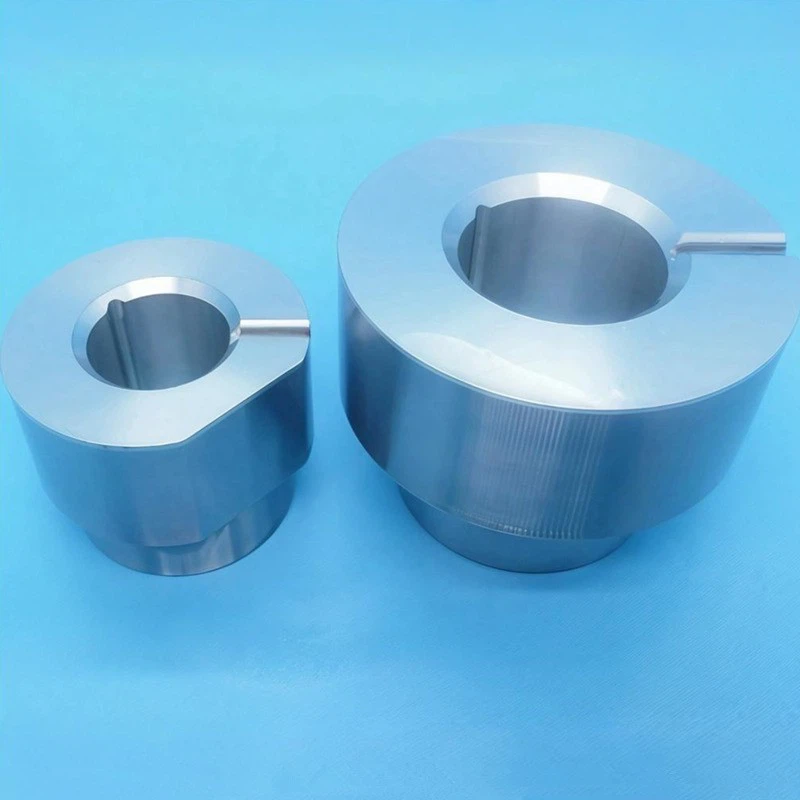
There are several types of babbitt bearings, each designed for specific applications. For example, Sleeve Babbitt Bearing are cylindrical in shape and are commonly used in rotating machinery, such as motors and pumps. Babbitt Flanged Bearings, on the other hand, have a flange on one end to provide additional support and alignment.
One of the key advantages of babbitt bearings is their ability to handle high loads and shock. The soft Babbitt metal can conform to the shape of the shaft, providing a large contact area and distributing the load evenly. This makes babbitt bearings ideal for applications where heavy loads or sudden shocks are expected.
Another advantage of babbitt bearings is their excellent anti-friction properties. The Babbitt metal has a low coefficient of friction, which reduces energy consumption and wear on the bearing and the shaft. This results in longer bearing life and lower maintenance costs.
However, babbitt bearings also have some disadvantages. One of the main drawbacks is their relatively low speed capability. The soft Babbitt metal can wear quickly at high speeds, which can lead to premature failure of the bearing. Additionally, babbitt bearings require a continuous supply of lubrication to prevent overheating and wear.
Understanding Ball Bearings
Ball bearings are a type of rolling-element bearing that use balls to separate the moving parts of the bearing. The balls are typically made of steel or ceramic and are held in place by a cage or retainer. Ball bearings are widely used in various applications, including automotive, aerospace, and industrial machinery.
There are several types of ball bearings, each designed for specific applications. For example, deep groove ball bearings are the most common type of ball bearing and are used in a wide range of applications, including electric motors, pumps, and conveyors. Angular contact ball bearings, on the other hand, are designed to handle both radial and axial loads and are commonly used in machine tools and automotive transmissions.

One of the key advantages of ball bearings is their high speed capability. The rolling motion of the balls reduces friction and allows the bearing to operate at high speeds without overheating. This makes ball bearings ideal for applications where high speeds are required, such as in electric motors and turbines.
Another advantage of ball bearings is their relatively low friction coefficient. The rolling motion of the balls reduces the amount of energy required to overcome friction, which results in lower energy consumption and longer bearing life. Additionally, ball bearings require less lubrication than babbitt bearings, which can reduce maintenance costs.
However, ball bearings also have some disadvantages. One of the main drawbacks is their limited load capacity. The small contact area between the balls and the raceways can result in high stress concentrations, which can lead to premature failure of the bearing under heavy loads. Additionally, ball bearings are more sensitive to misalignment and vibration than babbitt bearings, which can also affect their performance and lifespan.
Comparing Babbitt Bearings and Ball Bearings
Now that we've discussed the characteristics, advantages, and disadvantages of both babbitt bearings and ball bearings, let's compare them side by side to see how they stack up against each other.
Load Capacity
Babbitt bearings have a higher load capacity than ball bearings. The large contact area between the Babbitt metal and the shaft allows babbitt bearings to distribute the load evenly, which reduces stress concentrations and prevents premature failure. Ball bearings, on the other hand, have a smaller contact area between the balls and the raceways, which can result in high stress concentrations and limited load capacity.
Speed Capability
Ball bearings have a higher speed capability than babbitt bearings. The rolling motion of the balls reduces friction and allows the bearing to operate at high speeds without overheating. Babbitt bearings, on the other hand, have a relatively low speed capability due to the soft Babbitt metal, which can wear quickly at high speeds.
Friction and Energy Consumption
Ball bearings have a lower friction coefficient than babbitt bearings. The rolling motion of the balls reduces the amount of energy required to overcome friction, which results in lower energy consumption and longer bearing life. Babbitt bearings, on the other hand, have a higher friction coefficient due to the sliding motion between the Babbitt metal and the shaft, which can result in higher energy consumption and shorter bearing life.
Maintenance Requirements
Babbitt bearings require more maintenance than ball bearings. The soft Babbitt metal can wear quickly and requires a continuous supply of lubrication to prevent overheating and wear. Additionally, babbitt bearings need to be periodically inspected and re-babbitted to ensure optimal performance. Ball bearings, on the other hand, require less lubrication and are less sensitive to wear, which can reduce maintenance costs.
Cost
Babbitt bearings are generally more expensive than ball bearings. The cost of babbitt bearings includes the cost of the Babbitt metal, the manufacturing process, and the installation and maintenance requirements. Ball bearings, on the other hand, are less expensive due to their simpler design and lower manufacturing costs.
Conclusion
In conclusion, both babbitt bearings and ball bearings have their own unique characteristics, advantages, and disadvantages. The choice between the two depends on the specific application requirements, such as load capacity, speed capability, friction and energy consumption, maintenance requirements, and cost.
If you're looking for a bearing that can handle high loads and shock, has excellent anti-friction properties, and can operate in harsh environments, then babbitt bearings may be the right choice for you. On the other hand, if you're looking for a bearing that can operate at high speeds, has a low friction coefficient, and requires less maintenance, then ball bearings may be the better option.
As a Babbitt Bearing supplier, I have extensive experience in providing high-quality babbitt bearings for a wide range of applications. If you have any questions or need assistance in selecting the right bearing for your application, please don't hesitate to contact me. I'll be happy to help you find the best solution for your needs.
References
- "Bearing Handbook" by SKF
- "Mechanical Engineering Design" by Joseph E. Shigley and Charles R. Mischke
- "Industrial Lubrication for Maintenance Professionals" by Howard S. Rudnick