

In the realm of mechanical engineering, bearings play a pivotal role in ensuring the smooth and efficient operation of various machinery. Among the numerous types of bearings available, sleeve babbitt bearings and roller bearings are two commonly used options, each with its unique characteristics, advantages, and applications. As a supplier of Sleeve Babbitt Bearing, I am well - versed in the intricacies of these two bearing types and would like to delve into the differences between them.
Structural Design
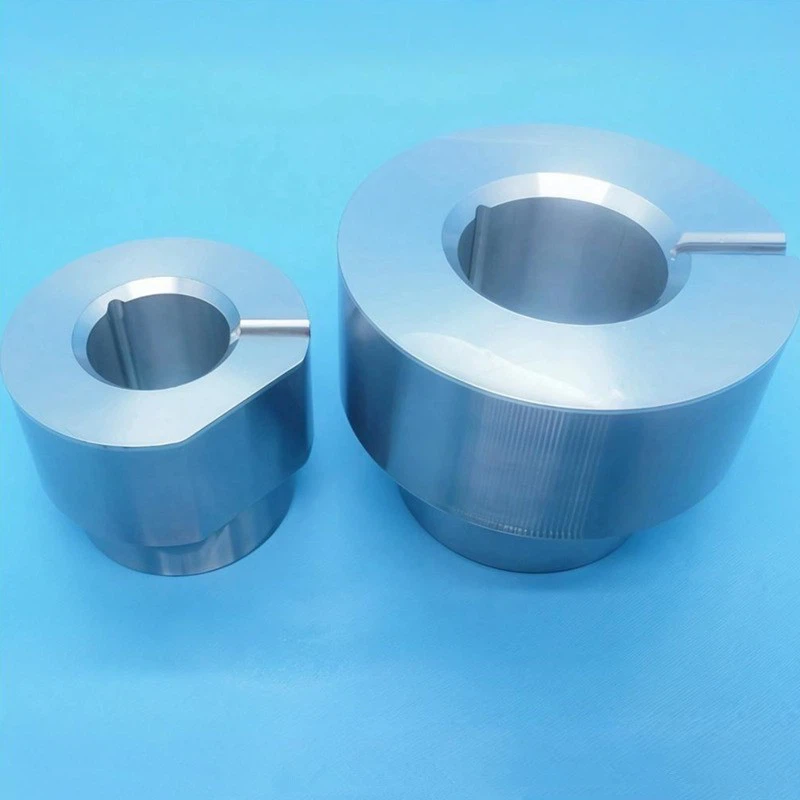
The most apparent difference between sleeve babbitt bearings and roller bearings lies in their structural design. A sleeve babbitt bearing, also known as a plain bearing, consists of a cylindrical sleeve made of a soft babbitt material, which is typically a tin - based or lead - based alloy. This sleeve is usually lined with a thin layer of babbitt metal, which provides a low - friction surface for the rotating shaft. The simplicity of its design allows for a large contact area between the bearing and the shaft, distributing the load evenly across the surface.
On the other hand, roller bearings utilize rolling elements, such as cylinders, balls, or tapered rollers, to reduce friction between the moving parts. These rolling elements are housed within an inner and outer race, and they roll rather than slide, which significantly reduces the frictional force. The design of roller bearings allows them to handle both radial and axial loads more effectively, depending on the type of roller used. For example, deep - groove ball bearings are mainly used for radial loads, while angular contact ball bearings can handle both radial and axial loads.
Friction and Wear
Friction is a critical factor in the performance of bearings. Sleeve babbitt bearings operate on the principle of hydrodynamic lubrication. When the shaft rotates, it creates a thin film of lubricant between the bearing surface and the shaft, which separates the two surfaces and reduces friction. However, during startup and shutdown, the shaft and the bearing may come into direct contact, leading to some wear. The soft babbitt material is designed to wear preferentially, protecting the more expensive shaft from damage.
Roller bearings, due to their rolling motion, generally have lower friction coefficients compared to sleeve babbitt bearings. The rolling elements minimize the contact area between the moving parts, reducing the frictional force. As a result, roller bearings are more efficient in terms of energy consumption, especially at high - speed applications. However, the rolling elements can be more sensitive to shock loads and misalignment, which may lead to premature wear and failure.
Load - Carrying Capacity
Load - carrying capacity is another crucial aspect to consider when choosing between sleeve babbitt bearings and roller bearings. Sleeve babbitt bearings are known for their high load - carrying capacity, especially for heavy and continuous loads. The large contact area between the bearing and the shaft allows the load to be distributed over a wide surface, reducing the stress on any single point. This makes sleeve babbitt bearings suitable for applications such as large - scale industrial machinery, power generation equipment, and marine engines.
Roller bearings also have a good load - carrying capacity, but their performance varies depending on the type of roller and the design of the bearing. For example, spherical roller bearings can handle heavy radial and axial loads, while needle roller bearings are suitable for applications with limited radial space but relatively high loads. However, in general, sleeve babbitt bearings can withstand higher static loads compared to roller bearings.
Noise and Vibration
Noise and vibration levels are important considerations, especially in applications where a quiet and stable operation is required. Sleeve babbitt bearings tend to produce less noise and vibration due to their smooth sliding motion and the ability to dampen vibrations. The hydrodynamic lubrication film acts as a cushion, reducing the transmission of vibrations from the shaft to the surrounding structure.
Roller bearings, on the other hand, may generate more noise and vibration, especially when operating at high speeds or under heavy loads. The rolling motion of the elements can cause impacts and vibrations, which may be transmitted to the machinery. However, modern roller bearing designs incorporate features such as improved cage designs and precision manufacturing to reduce noise and vibration levels.
Temperature Resistance
Temperature can have a significant impact on the performance of bearings. Sleeve babbitt bearings have good temperature resistance, thanks to the properties of the babbitt material and the hydrodynamic lubrication. The lubricant film helps to dissipate heat, preventing the bearing from overheating. However, at extremely high temperatures, the babbitt material may soften or melt, leading to bearing failure.
Roller bearings can also operate at high temperatures, but they are more sensitive to temperature changes. The rolling elements and the races can expand or contract due to temperature variations, which may affect the clearance between the parts and lead to premature wear. Special high - temperature lubricants and materials are often required for roller bearings operating in high - temperature environments.
Cost
Cost is always a factor in any engineering decision. Sleeve babbitt bearings are generally less expensive to manufacture, especially for large - size bearings. The simple design and the use of relatively inexpensive babbitt materials contribute to the lower cost. However, the installation and maintenance of sleeve babbitt bearings can be more complex and time - consuming, which may increase the overall cost.

Roller bearings are usually more expensive to produce, especially for high - precision and specialized designs. The manufacturing process of the rolling elements and the races requires high - precision machining and strict quality control. However, roller bearings are easier to install and replace, which can reduce the maintenance cost in the long run.
Applications
The differences in the characteristics of sleeve babbitt bearings and roller bearings make them suitable for different applications. Sleeve babbitt bearings are commonly used in applications where high load - carrying capacity, low noise, and smooth operation are required. Some examples include steam turbines, generators, large - diameter pumps, and marine propulsion systems.
Roller bearings are widely used in a variety of applications, including automotive engines, machine tools, conveyor systems, and aerospace equipment. Their ability to handle high - speed rotation, combined with their relatively low friction, makes them ideal for these applications.
Conclusion
In conclusion, sleeve babbitt bearings and roller bearings have distinct differences in terms of structural design, friction and wear, load - carrying capacity, noise and vibration, temperature resistance, cost, and applications. As a supplier of Sleeve Babbitt Bearing, I understand that choosing the right bearing for a specific application requires a thorough understanding of these differences.
If you are in need of high - quality sleeve babbitt bearings, including Babbitt Flanged Bearings and other Babbitt Bearing products, I invite you to contact us for a detailed discussion about your requirements. Our team of experts is ready to assist you in selecting the most suitable bearing solution for your machinery, ensuring optimal performance and reliability.
References
- Harris, T. A., & Kotzalas, M. N. (2007). Rolling Bearing Analysis. Wiley.
- Shigley, J. E., Mischke, C. R., & Budynas, R. G. (2004). Mechanical Engineering Design. McGraw - Hill.
- Tallian, T. E. (1988). Rolling Bearing Fatigue Life. ASME.