

Wear-resistance is a crucial factor in the performance and longevity of bearings, especially in high-stress industrial applications. As a leading supplier of babbitt bearings, I've witnessed firsthand the importance of understanding the wear-resistance properties of these components. In this blog, I'll delve into the science behind babbitt bearings' wear resistance, explore the factors that influence it, and discuss how these properties make babbitt bearings a top choice for various industries.
What are Babbitt Bearings?
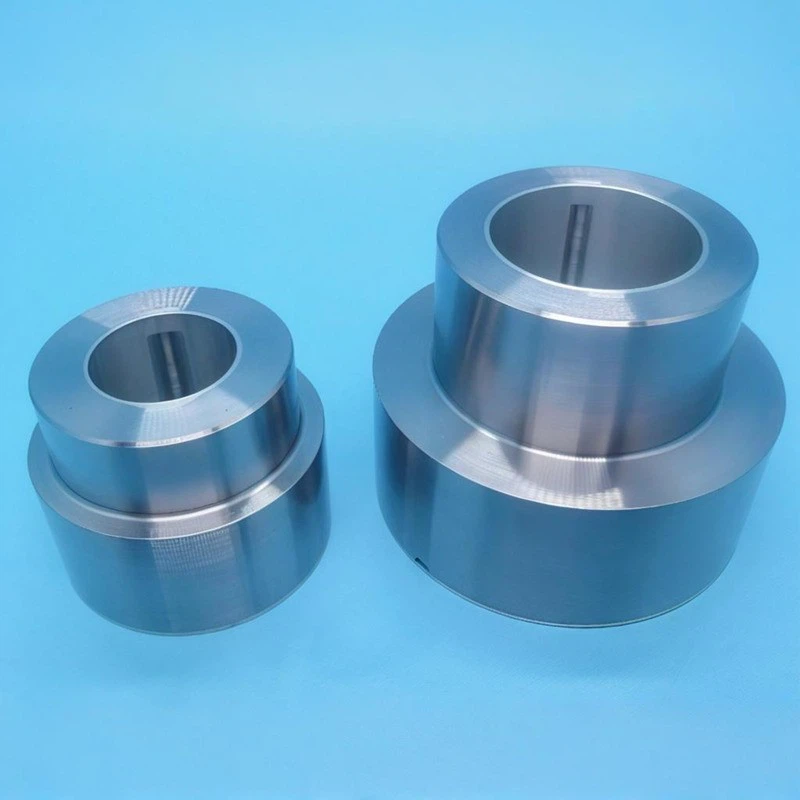
Before we dive into wear resistance, let's briefly review what babbitt bearings are. Babbitt bearings are a type of plain bearing that uses a soft, low-friction alloy called babbitt metal as the bearing surface. This alloy is typically composed of tin, antimony, and copper, and it's known for its excellent anti-friction and anti-seizure properties. Babbitt bearings come in various types, including Babbitt Bearing, Sleeve Babbitt Bearing, and Babbitt Flanged Bearings, each designed to meet specific application requirements.
The Science of Wear Resistance in Babbitt Bearings
Wear resistance in babbitt bearings is primarily due to the unique properties of the babbitt metal itself. The soft nature of the babbitt alloy allows it to conform to the shape of the shaft, creating a smooth and even contact surface. This reduces friction and wear on both the bearing and the shaft. Additionally, the babbitt metal has a low melting point, which means that in the event of excessive heat or friction, the babbitt layer can melt and act as a lubricant, preventing further damage to the bearing and the shaft.
Another important factor in the wear resistance of babbitt bearings is the formation of a thin, protective oxide layer on the surface of the babbitt metal. This oxide layer acts as a barrier between the bearing and the shaft, reducing friction and wear. The oxide layer also helps to prevent corrosion, which can further degrade the bearing's performance over time.
Factors Influencing Wear Resistance
While the inherent properties of babbitt metal contribute to its wear resistance, several external factors can also affect the performance of babbitt bearings. These factors include:
- Lubrication: Proper lubrication is essential for reducing friction and wear in babbitt bearings. A well-lubricated bearing will have a lower coefficient of friction, which means less energy is wasted as heat and less wear occurs on the bearing surfaces. The type and quality of the lubricant used, as well as the lubrication method, can all impact the wear resistance of the bearing.
- Load and Speed: The load and speed at which a bearing operates can significantly affect its wear resistance. High loads and speeds can increase the stress on the bearing surfaces, leading to increased wear. It's important to select a babbitt bearing that is designed to handle the specific load and speed requirements of the application.
- Temperature: Temperature can also have a significant impact on the wear resistance of babbitt bearings. High temperatures can cause the babbitt metal to soften and lose its shape, reducing its ability to resist wear. It's important to ensure that the bearing is operating within its recommended temperature range to maintain optimal performance.
- Contamination: Contamination from dirt, debris, or other foreign particles can also cause wear in babbitt bearings. These particles can act as abrasives, scratching the bearing surfaces and increasing friction. Proper filtration and maintenance can help to prevent contamination and extend the life of the bearing.
Applications of Babbitt Bearings
The excellent wear resistance properties of babbitt bearings make them a popular choice for a wide range of industrial applications. Some common applications include:
- Power Generation: Babbitt bearings are widely used in power generation equipment, such as turbines and generators. These applications require bearings that can withstand high loads, speeds, and temperatures, and babbitt bearings are well-suited to meet these requirements.
- Automotive: Babbitt bearings are also used in automotive engines, particularly in high-performance applications. The wear resistance and anti-friction properties of babbitt bearings help to reduce engine noise and vibration, improve fuel efficiency, and extend the life of the engine.
- Marine: In the marine industry, babbitt bearings are used in ship engines, propeller shafts, and other critical components. The ability of babbitt bearings to resist wear and corrosion in harsh marine environments makes them an ideal choice for these applications.
- Industrial Machinery: Babbitt bearings are used in a variety of industrial machinery, including pumps, compressors, and conveyors. These applications require bearings that can provide reliable performance under heavy loads and high speeds, and babbitt bearings are well-suited to meet these needs.
Advantages of Choosing Our Babbitt Bearings
As a supplier of babbitt bearings, we take pride in offering high-quality products that are designed to provide superior wear resistance and performance. Here are some of the advantages of choosing our babbitt bearings:
- Quality Materials: We use only the highest quality babbitt alloys in our bearings, ensuring that they have the best possible wear resistance and performance.
- Precision Manufacturing: Our bearings are manufactured using state-of-the-art equipment and processes, ensuring that they meet the highest standards of quality and precision.
- Customization: We offer a wide range of customization options, allowing us to design and manufacture babbitt bearings that are tailored to the specific needs of your application.
- Technical Support: Our team of experienced engineers and technicians is available to provide technical support and assistance, ensuring that you get the most out of your babbitt bearings.
Contact Us for Your Babbitt Bearing Needs
If you're in the market for high-quality babbitt bearings, look no further. As a trusted supplier, we have the expertise and experience to provide you with the right bearings for your application. Whether you need a standard bearing or a custom solution, we can help. Contact us today to discuss your requirements and learn more about how our babbitt bearings can benefit your business.

References
- "Bearing Handbook," SKF Group
- "Mechanical Design of Machine Elements and Machines: A Failure Prevention Perspective," Robert C. Juvinall and Kurt M. Marshek
- "Tribology Handbook," Bhushan, Bharat