

As a leading supplier of Babbitt Flanged Bearings, I often receive inquiries regarding the installation dimensions of these crucial components. In this blog post, I will delve into the details of the installation dimensions of Babbitt Flanged Bearings, providing you with comprehensive information to ensure a successful installation.
Understanding Babbitt Flanged Bearings
Before we discuss the installation dimensions, it's essential to understand what Babbitt Flanged Bearings are and their significance in various industrial applications. Babbitt Flanged Bearings are a type of fluid film bearing that uses a thin layer of Babbitt metal on the bearing surface to reduce friction and wear. The flanged design provides additional support and alignment, making them suitable for applications where radial and axial loads need to be supported simultaneously.
Babbitt Flanged Bearings are commonly used in a wide range of industries, including power generation, oil and gas, automotive, and manufacturing. They are particularly well-suited for high-speed and high-load applications, where reliability and performance are critical.

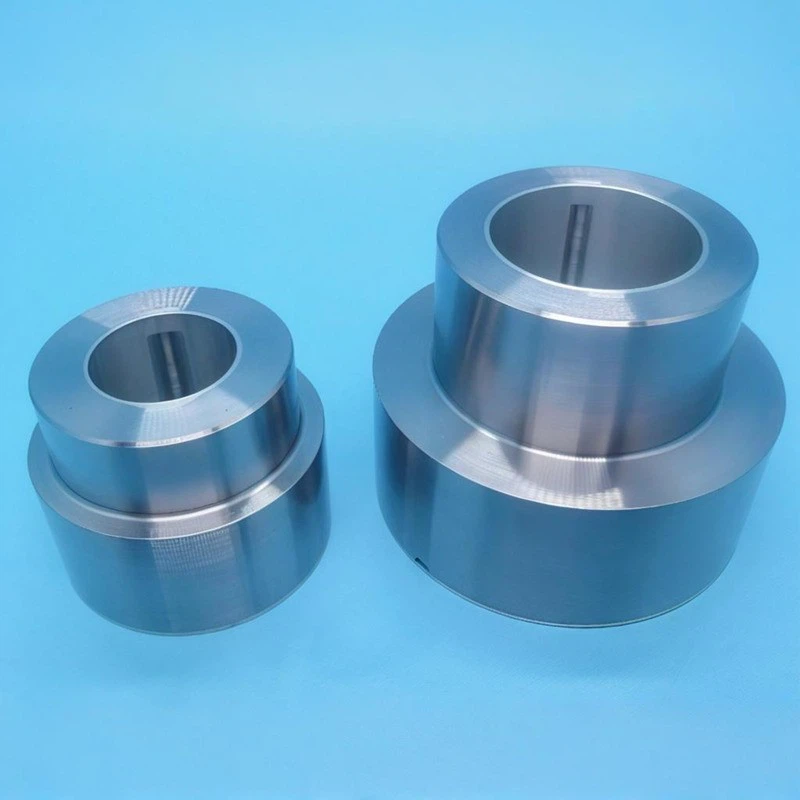
Key Installation Dimensions
The installation dimensions of Babbitt Flanged Bearings are crucial for ensuring proper fit, alignment, and performance. Here are some of the key dimensions that you need to consider:
Bore Diameter
The bore diameter is the inner diameter of the bearing, which is designed to fit precisely onto the shaft. It is essential to ensure that the bore diameter of the bearing matches the shaft diameter within the specified tolerance. A mismatch in the bore diameter can lead to excessive clearance or interference, which can cause premature wear, vibration, and even bearing failure.
Outer Diameter
The outer diameter of the bearing is the diameter of the outer surface of the bearing housing. It is important to ensure that the outer diameter of the bearing fits correctly into the housing bore. The housing bore should be machined to the appropriate size and tolerance to provide a proper fit for the bearing. A loose fit can result in excessive movement and misalignment, while a tight fit can cause overheating and premature wear.
Flange Dimensions
The flange of the Babbitt Flanged Bearing provides additional support and alignment. The flange dimensions include the flange diameter, flange thickness, and the number and size of the mounting holes. It is important to ensure that the flange dimensions match the mounting requirements of the application. The mounting holes should be properly aligned and threaded to ensure a secure and stable installation.
Width
The width of the bearing is the distance between the two faces of the bearing. It is important to ensure that the width of the bearing is appropriate for the application. The width of the bearing should be selected based on the load requirements and the available space in the housing.
Radial Clearance
Radial clearance is the amount of space between the outer surface of the shaft and the inner surface of the bearing. It is important to ensure that the radial clearance is within the specified range for the application. Too much radial clearance can result in excessive vibration and noise, while too little radial clearance can cause overheating and premature wear.
Importance of Precise Installation Dimensions
Precise installation dimensions are crucial for the proper functioning and longevity of Babbitt Flanged Bearings. Here are some of the reasons why precise installation dimensions are important:
Proper Fit and Alignment
Precise installation dimensions ensure that the bearing fits correctly onto the shaft and into the housing. This helps to ensure proper alignment, which is essential for reducing friction, wear, and vibration. Proper alignment also helps to distribute the load evenly across the bearing surface, which can extend the life of the bearing.
Optimal Performance
Precise installation dimensions help to ensure that the bearing operates at its optimal performance. This includes reducing friction, improving efficiency, and minimizing wear and tear. Optimal performance also helps to reduce the risk of bearing failure, which can result in costly downtime and repairs.
Safety
Precise installation dimensions are essential for ensuring the safety of the equipment and the operators. A poorly installed bearing can cause excessive vibration, noise, and heat, which can lead to equipment failure and even accidents. By ensuring precise installation dimensions, you can help to prevent these issues and ensure the safe operation of the equipment.
How to Measure Installation Dimensions
Measuring the installation dimensions of Babbitt Flanged Bearings requires the use of precision measuring tools, such as micrometers, calipers, and dial indicators. Here are the steps to measure the key installation dimensions:
Bore Diameter
To measure the bore diameter, use a micrometer or a bore gauge. Insert the measuring tool into the bore of the bearing and take multiple measurements at different points along the length of the bore. Make sure to measure the bore diameter at the top, bottom, and sides of the bore to ensure accuracy.
Outer Diameter
To measure the outer diameter, use a micrometer or a caliper. Place the measuring tool around the outer surface of the bearing and take multiple measurements at different points around the circumference of the bearing. Make sure to measure the outer diameter at the top, bottom, and sides of the bearing to ensure accuracy.
Flange Dimensions
To measure the flange dimensions, use a caliper or a micrometer. Measure the flange diameter, flange thickness, and the number and size of the mounting holes. Make sure to measure the flange dimensions at multiple points around the flange to ensure accuracy.
Width
To measure the width of the bearing, use a caliper or a micrometer. Place the measuring tool between the two faces of the bearing and take a measurement. Make sure to measure the width at multiple points along the length of the bearing to ensure accuracy.
Radial Clearance
To measure the radial clearance, use a dial indicator. Mount the dial indicator on the bearing housing and position the indicator tip against the outer surface of the shaft. Rotate the shaft slowly and observe the movement of the indicator needle. The difference between the maximum and minimum readings is the radial clearance.
Conclusion
In conclusion, the installation dimensions of Babbitt Flanged Bearings are crucial for ensuring proper fit, alignment, and performance. By understanding the key installation dimensions and using precision measuring tools to measure them, you can ensure a successful installation and extend the life of the bearing.
If you are in the market for high-quality Babbitt Flanged Bearings, look no further. As a trusted supplier, we offer a wide range of Babbitt Flanged Bearings that are designed to meet the most demanding applications. Our bearings are manufactured to the highest standards of quality and precision, ensuring optimal performance and reliability.
If you have any questions or need further information about our Babbitt Flanged Bearings or their installation dimensions, please do not hesitate to contact us. We are here to help you find the right solution for your application and ensure a successful installation.
References
- "Fluid Film Bearings: Design and Application" by Tribology Handbook
- "Bearing Installation and Maintenance Guide" by SKF