

Hey there! I'm a supplier of Babbitt Bearings, and today I wanna chat about the fatigue life characteristics of these awesome components. Babbitt Bearings have been around for a long time and are widely used in various industries, so understanding their fatigue life is super important.
What are Babbitt Bearings?
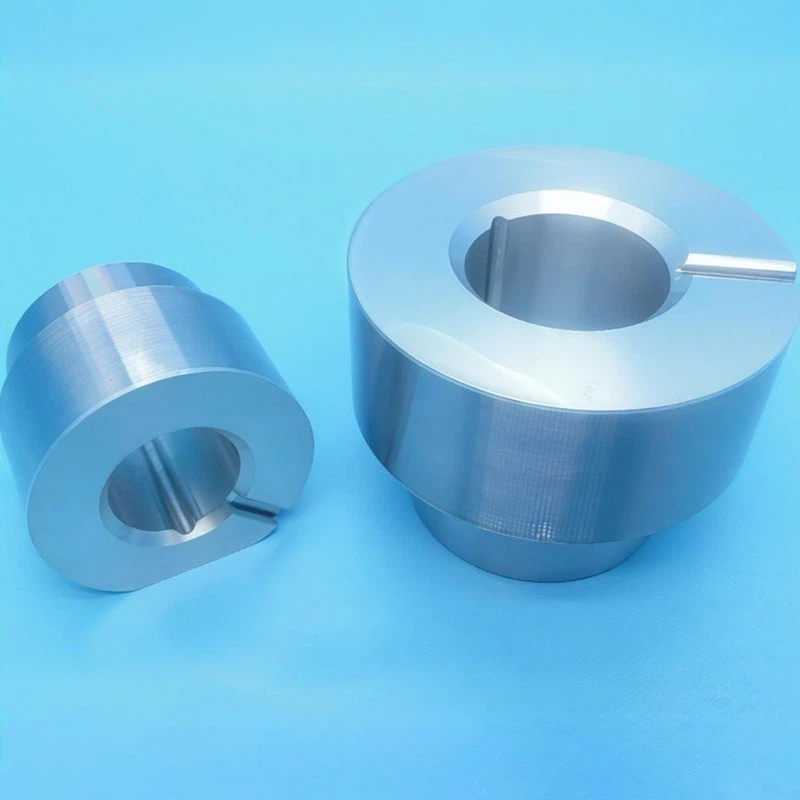
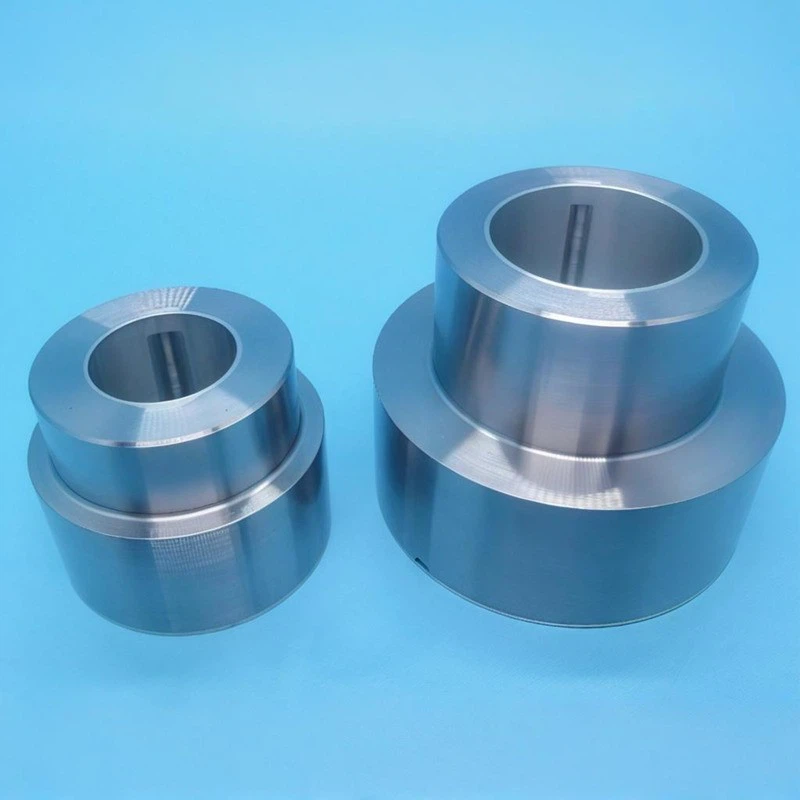
First off, let's quickly go over what Babbitt Bearings are. Babbitt Bearings are a type of sliding bearing that use a soft Babbitt alloy as the bearing surface. This alloy is usually made up of tin, antimony, and copper, and it has some great properties like good anti - seizure and wear - resistance characteristics. There are different types of Babbitt Bearings, such as Sleeve Babbitt Bearing, Babbitt Bearing, and Babbitt Flanged Bearings.
Factors Affecting Fatigue Life
Now, let's dig into the factors that affect the fatigue life of Babbitt Bearings.
Load
One of the most significant factors is the load. When a Babbitt Bearing is under a heavy load, the stress on the bearing surface increases. High - stress levels can cause micro - cracks to form in the Babbitt alloy over time. These cracks can then propagate, leading to fatigue failure. For example, in a large industrial machine where the bearing has to support a huge amount of weight, the fatigue life can be significantly reduced compared to a light - load application.
Speed
The rotational speed of the shaft also plays a crucial role. At high speeds, the Babbitt Bearing experiences more dynamic forces and heat generation. The heat can cause the Babbitt alloy to soften, reducing its strength and making it more prone to fatigue. On the other hand, if the speed is too low, the lubrication film may not form properly, which can also lead to increased wear and fatigue.
Lubrication
Proper lubrication is essential for the long - term health of Babbitt Bearings. A good lubricant forms a thin film between the bearing surface and the shaft, reducing friction and wear. If the lubrication is insufficient, the metal - to - metal contact increases, generating more heat and stress. This can accelerate the fatigue process. Also, the quality of the lubricant matters. Contaminated or degraded lubricants can cause abrasive wear and chemical reactions on the bearing surface, further shortening the fatigue life.
Temperature
Temperature has a big impact on the fatigue life of Babbitt Bearings. High temperatures can cause the Babbitt alloy to expand and change its mechanical properties. If the temperature exceeds the recommended operating range, the alloy may start to melt or lose its hardness. This can lead to surface damage and fatigue failure. In some industrial environments, like in power plants or steel mills, where the operating temperatures are very high, special cooling systems may be required to keep the bearing temperature within a safe range.
Fatigue Life Testing
To determine the fatigue life of Babbitt Bearings, various testing methods are used.
Laboratory Testing
In the laboratory, we can simulate different operating conditions to test the fatigue life of Babbitt Bearings. For example, we can apply a constant load and rotational speed to a test bearing and monitor it over time. We can also vary the lubrication conditions and temperature to see how they affect the fatigue process. These tests can provide valuable data on the performance of the bearings under controlled conditions.
Field Testing
Field testing is also very important. By installing Babbitt Bearings in real - world applications, we can observe their performance in actual operating environments. This can help us identify any issues that may not be apparent in the laboratory, such as the effects of vibration, shock loads, and environmental contaminants. Field testing can take a long time, but it provides the most accurate information about the fatigue life of the bearings in practical use.
How to Improve Fatigue Life
As a Babbitt Bearing supplier, I'm always looking for ways to improve the fatigue life of our products.
Material Selection
Choosing the right Babbitt alloy is crucial. Different alloys have different properties, and we need to select the one that is most suitable for the specific application. For example, in high - temperature applications, we may choose an alloy with better heat - resistance properties.
Design Optimization
The design of the bearing also matters. A well - designed bearing can distribute the load more evenly, reducing the stress concentration on the bearing surface. This can significantly improve the fatigue life. For example, we can use special geometries or surface treatments to enhance the performance of the bearing.
Maintenance
Proper maintenance is key to extending the fatigue life of Babbitt Bearings. Regularly checking the lubrication level, changing the lubricant at the recommended intervals, and inspecting the bearing for signs of wear and damage can help prevent premature fatigue failure. Also, keeping the operating environment clean and free from contaminants can reduce the risk of abrasive wear.
Why Choose Our Babbitt Bearings
We've been in the Babbitt Bearing business for a long time, and we've got a lot of experience in producing high - quality bearings. Our bearings are made from the best - quality Babbitt alloys, and we use advanced manufacturing techniques to ensure consistent quality. We also offer customized solutions to meet the specific needs of our customers. Whether you need a Sleeve Babbitt Bearing, Babbitt Bearing, or Babbitt Flanged Bearings, we've got you covered.
Let's Connect
If you're in the market for Babbitt Bearings and want to learn more about our products, or if you have any questions about the fatigue life characteristics of Babbitt Bearings, don't hesitate to get in touch. We're always happy to have a chat and help you find the best solution for your application. Whether you're in the automotive, aerospace, or industrial sector, we can provide you with top - notch Babbitt Bearings that will last. So, reach out to us and let's start a conversation about your bearing needs.
References
- ASM Handbook Volume 1: Properties and Selection: Irons, Steels, and High - Performance Alloys
- Tribology Handbook by Bharat Bhushan
- Machinery's Handbook, 31st Edition