

Labyrinth seals are a critical component in many industrial applications, offering a reliable and cost - effective solution for preventing fluid leakage and protecting sensitive machinery parts. As a labyrinth seals supplier, I am often asked about the dynamic sealing performance of these seals. In this blog post, I will delve into the intricacies of labyrinth seals' dynamic sealing performance, exploring the factors that influence it and how it impacts various industrial processes.
Understanding Labyrinth Seals
Labyrinth seals consist of a series of fins or teeth arranged in a maze - like pattern. When a fluid (either gas or liquid) tries to pass through the seal, it is forced to follow a tortuous path. This path increases the flow resistance, reducing the leakage rate. The basic principle behind labyrinth seals is to create a series of expansion and contraction chambers that dissipate the energy of the fluid flow, thus preventing it from easily passing through the seal.
Dynamic Sealing Performance Factors
1. Geometry of the Labyrinth
The geometry of the labyrinth plays a crucial role in its dynamic sealing performance. The number of fins, the height and thickness of the fins, and the spacing between them all affect the flow resistance. A larger number of fins generally increases the flow path length, leading to higher resistance and lower leakage. For example, a labyrinth seal with a greater number of closely - spaced fins will be more effective at sealing than one with fewer, widely - spaced fins.
The shape of the fins also matters. Different fin shapes, such as straight, angled, or stepped, can influence the fluid flow pattern. Angled fins can direct the fluid flow in a more controlled manner, enhancing the sealing performance. Additionally, the clearance between the fins and the rotating or stationary surface is a critical parameter. A smaller clearance reduces the leakage but may increase the risk of contact and wear, especially in high - speed applications.
2. Rotational Speed
In applications where the labyrinth seal is used in rotating machinery, the rotational speed has a significant impact on the dynamic sealing performance. At low rotational speeds, the fluid flow through the labyrinth is mainly laminar. As the speed increases, the flow can transition to a turbulent state. Turbulent flow can increase the energy dissipation within the labyrinth, which may improve the sealing performance. However, very high rotational speeds can also cause additional effects, such as centrifugal forces that can push the fluid outwards and potentially increase the leakage if the seal design is not optimized.
3. Fluid Properties
The properties of the fluid being sealed, such as viscosity, density, and compressibility, also affect the dynamic sealing performance. High - viscosity fluids are more resistant to flow and generally result in lower leakage rates. For example, a labyrinth seal used to seal a thick oil will have better sealing performance compared to one sealing a low - viscosity gas.
Compressibility is also an important factor, especially in gas - sealing applications. Compressible fluids can expand and contract as they pass through the labyrinth, which can change the flow characteristics. In some cases, the compressibility of the gas can lead to pressure fluctuations within the labyrinth, which may affect the sealing effectiveness.
4. Pressure Differential
The pressure differential across the labyrinth seal is another key factor. A larger pressure differential creates a greater driving force for the fluid to flow through the seal. To maintain an acceptable leakage rate under high - pressure differentials, the labyrinth seal must be designed with a higher flow resistance. This can be achieved by increasing the number of fins, reducing the fin clearance, or using a more optimized fin geometry.
Impact on Industrial Applications
1. Power Generation
In power generation plants, labyrinth seals are used in turbines to prevent steam or gas leakage. The dynamic sealing performance of these seals directly affects the efficiency of the turbine. A well - designed labyrinth seal can reduce the amount of working fluid that leaks past the seal, ensuring that more of the energy in the fluid is converted into mechanical power. This leads to higher power output and lower operating costs.
2. Aerospace
In aerospace applications, labyrinth seals are used in jet engines to seal the compressor and turbine sections. The high - speed rotation and extreme operating conditions in jet engines require labyrinth seals with excellent dynamic sealing performance. A small leakage in a jet engine can lead to a significant loss of thrust and efficiency, as well as potential damage to other engine components.
3. Chemical Processing
In chemical processing plants, labyrinth seals are used to prevent the leakage of hazardous chemicals. The ability of the seal to maintain a low leakage rate under different pressure differentials and fluid properties is crucial for ensuring the safety of the plant and the environment. A reliable labyrinth seal can prevent the release of toxic or flammable chemicals, reducing the risk of accidents.
Our Product Range and Solutions
As a labyrinth seals supplier, we offer a wide range of labyrinth seals to meet the diverse needs of different industries. Our seals are designed with advanced engineering techniques to optimize the dynamic sealing performance.
We have a variety of Φ80 Babbitt - lined Seal that are suitable for applications where a moderate sealing performance is required. These seals are made with high - quality materials and precision manufacturing processes to ensure a reliable and long - lasting performance.
For more demanding applications, we offer the Φ150 Babbitt - lined Seal. These seals are designed to handle higher pressure differentials and rotational speeds, providing excellent sealing performance even in challenging environments.
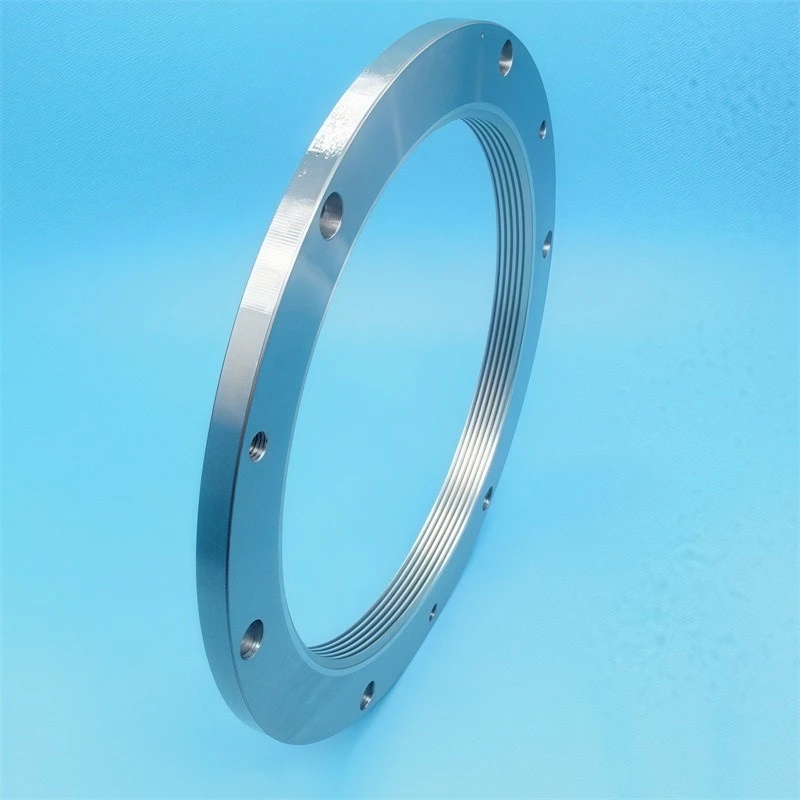
Our Thick Babbitt - lined Seal is another popular option. The thick babbitt lining provides additional wear resistance, making it ideal for applications where there is a risk of contact between the seal and the rotating surface.

Conclusion
The dynamic sealing performance of labyrinth seals is a complex topic that is influenced by multiple factors, including geometry, rotational speed, fluid properties, and pressure differential. Understanding these factors is essential for designing and selecting the right labyrinth seal for a specific application.
As a labyrinth seals supplier, we are committed to providing high - quality seals that offer excellent dynamic sealing performance. Our products are designed to meet the strict requirements of various industries, ensuring reliable and efficient operation.
If you are in need of labyrinth seals for your industrial application, we invite you to contact us for a detailed discussion about your requirements. Our team of experts can help you select the most suitable seal and provide customized solutions to meet your specific needs.
References
- Childs, D. W. (1983). Turbulent flow in annular seals. Journal of Tribology, 105(4), 653 - 660.
- Itoh, N., & Saito, Y. (1992). Flow characteristics of labyrinth seals. Journal of Fluids Engineering, 114(1), 128 - 133.
- Scharrer, J., & Kofskey, M. G. (1969). Leakage characteristics of labyrinth seals. NASA Technical Note D - 5392.