

What are the Damping Properties of Babbitt Bearings?
As a supplier of Babbitt bearings, I've witnessed firsthand the critical role these components play in various industrial applications. Babbitt bearings are renowned for their unique properties, and one of the most significant among them is their damping characteristics. In this blog, we'll delve into the damping properties of Babbitt bearings, exploring what they are, how they work, and why they matter in industrial machinery.
Understanding Damping
Before we dive into the specifics of Babbitt bearings, let's first understand what damping is. In the context of mechanical systems, damping refers to the ability of a material or component to dissipate energy and reduce the amplitude of vibrations. When a machine operates, it generates vibrations due to various factors such as unbalanced forces, misalignments, or uneven loads. These vibrations can lead to several issues, including premature wear and tear, noise, and even structural damage if left unchecked.
Damping helps to mitigate these problems by converting the kinetic energy of vibrations into heat energy, which is then dissipated into the surrounding environment. This process reduces the intensity of vibrations, improving the overall stability and performance of the machine.
Damping Properties of Babbitt Bearings
Babbitt bearings are made from a soft, low-friction alloy known as Babbitt metal, which typically consists of tin, antimony, and copper. This unique composition gives Babbitt bearings several advantageous damping properties:
1. Viscous Damping
One of the primary damping mechanisms in Babbitt bearings is viscous damping. When a Babbitt bearing is in operation, a thin film of lubricant forms between the bearing surface and the rotating shaft. This lubricant film acts as a viscous fluid, resisting the relative motion between the bearing and the shaft. As the shaft rotates, the lubricant film is sheared, and the energy of the vibrations is dissipated through the viscous friction within the fluid.
The thickness and viscosity of the lubricant film play a crucial role in determining the damping effectiveness. A thicker film generally provides more damping, but it can also increase the friction and power consumption. Therefore, the lubricant properties need to be carefully selected to achieve an optimal balance between damping and efficiency.
2. Material Damping
Babbitt metal itself has inherent damping properties due to its microstructure. The soft and malleable nature of Babbitt allows it to absorb and dissipate energy when subjected to vibrations. When a vibration is applied to the bearing, the Babbitt material deforms slightly, and the internal friction within the material converts the vibrational energy into heat.
This material damping is particularly effective in reducing high-frequency vibrations, which can be challenging to control using other damping methods. The ability of Babbitt bearings to dampen high-frequency vibrations helps to prevent resonance, which can cause severe damage to the machinery.
3. Structural Damping
In addition to viscous and material damping, Babbitt bearings also exhibit structural damping. The design and construction of the bearing housing and the way the bearing is mounted can influence its damping characteristics. For example, a well-designed bearing housing with proper stiffness and flexibility can help to absorb and dissipate vibrations.

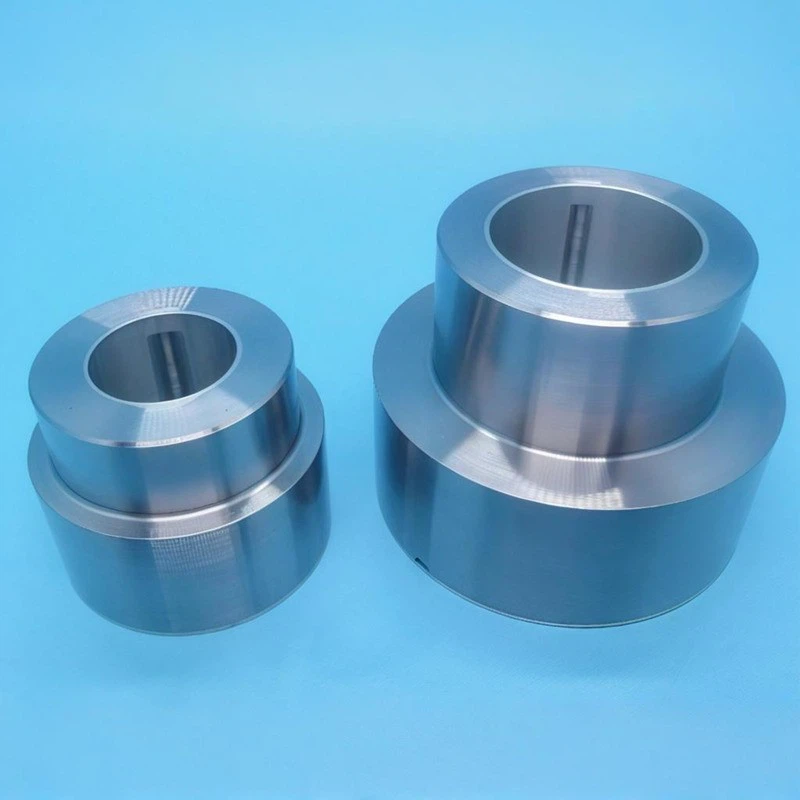
The use of damping materials or structures within the bearing housing, such as rubber isolators or damping pads, can further enhance the structural damping of the Babbitt bearing system. These additional damping elements work in conjunction with the inherent damping properties of the Babbitt bearing to provide a more comprehensive vibration control solution.
Importance of Damping in Industrial Applications
The damping properties of Babbitt bearings are of utmost importance in a wide range of industrial applications, including:
1. Rotating Machinery
In rotating machinery such as turbines, generators, and motors, vibrations can have a significant impact on the performance and reliability of the equipment. Excessive vibrations can lead to increased wear on the bearings, shafts, and other components, reducing their lifespan and increasing maintenance costs.
Babbitt bearings with good damping properties help to minimize these vibrations, ensuring smooth and stable operation of the rotating machinery. This not only improves the efficiency and performance of the equipment but also reduces the risk of unexpected breakdowns and downtime.
2. Precision Equipment
In precision equipment such as machine tools, measuring instruments, and optical systems, even small vibrations can affect the accuracy and quality of the output. Babbitt bearings can provide the necessary damping to isolate the equipment from external vibrations and prevent them from interfering with the precision operations.
By reducing vibrations, Babbitt bearings help to maintain the accuracy and stability of the precision equipment, ensuring consistent and high-quality results.
3. Automotive Industry
In the automotive industry, Babbitt bearings are commonly used in engines, transmissions, and other critical components. The damping properties of these bearings play a crucial role in reducing noise, vibration, and harshness (NVH) levels in the vehicle.
By damping the vibrations generated by the engine and transmission, Babbitt bearings help to create a more comfortable and quiet driving environment. They also contribute to the overall durability and reliability of the automotive components, improving the performance and longevity of the vehicle.
Our Babbitt Bearing Products
As a leading supplier of Babbitt bearings, we offer a wide range of high-quality products to meet the diverse needs of our customers. Our product portfolio includes Babbitt Bearing, Sleeve Babbitt Bearing, and Babbitt Flanged Bearings.
All our Babbitt bearings are manufactured using the latest technology and highest quality materials to ensure excellent damping properties and long service life. We also offer customized solutions to meet the specific requirements of our customers, including special sizes, shapes, and materials.
Conclusion
The damping properties of Babbitt bearings are essential for ensuring the smooth and reliable operation of industrial machinery. Through viscous damping, material damping, and structural damping, Babbitt bearings can effectively reduce vibrations, improve stability, and extend the lifespan of the equipment.
As a trusted supplier of Babbitt bearings, we are committed to providing our customers with the highest quality products and exceptional service. If you are interested in learning more about our Babbitt bearing products or have any specific requirements, please feel free to contact us. We look forward to discussing your needs and finding the best solution for your application.
References
- "Handbook of Bearings: Selection, Use, and Maintenance" by Peter J. Blair
- "Mechanical Vibrations" by Singiresu S. Rao
- "Fluid Film Bearings: Theory, Design, and Application" by A. A. Raimondi and J. Boyd