

As a supplier of Taper - land Thrust Bearings, I've been getting a lot of questions lately about how to reduce the power loss of these bearings. It's a crucial topic, especially for industries where efficiency is key. In this blog, I'll share some practical tips and insights based on my experience in the field.
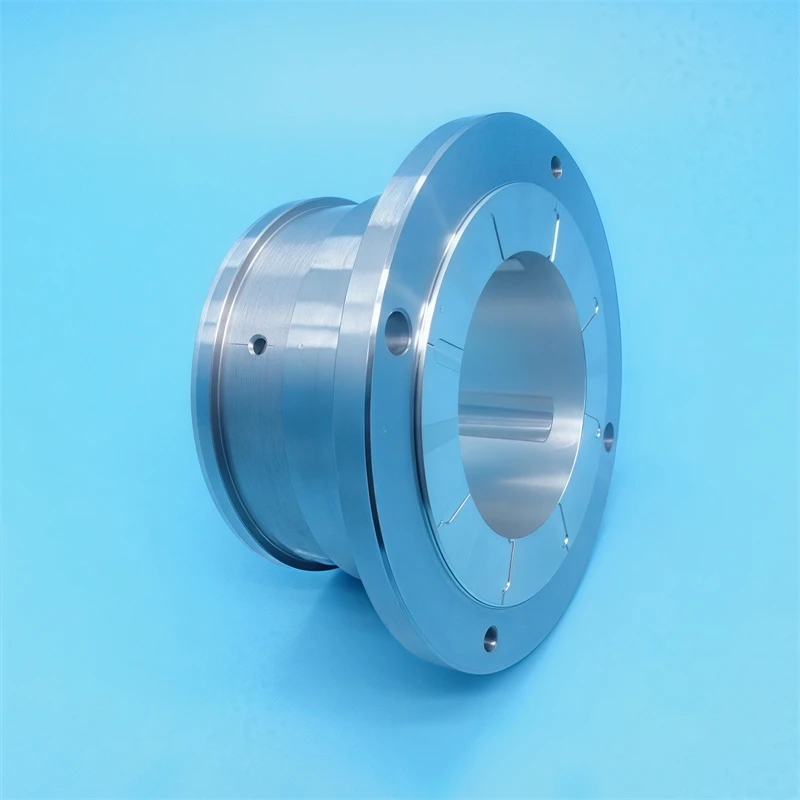
First off, let's understand what Taper - land Thrust Bearings are. A Taper - land Thrust Bearing is a type of fluid - film bearing that's designed to handle axial loads. It has a unique tapered land design that helps in creating a hydrodynamic film of lubricant between the bearing surfaces. This film reduces friction and wear, but it can also contribute to power loss if not managed properly.
One of the main factors contributing to power loss in Taper - land Thrust Bearings is viscous friction. When the lubricant is sheared between the moving surfaces of the bearing, energy is dissipated as heat, and that's where the power loss comes from. To reduce this, we need to pay close attention to the lubricant properties.
The viscosity of the lubricant plays a huge role. If the viscosity is too high, the shear forces will be greater, leading to more power loss. On the other hand, if the viscosity is too low, the hydrodynamic film may not be able to support the load properly, which can cause metal - to - metal contact and increased wear. So, it's essential to choose the right lubricant with the appropriate viscosity for the operating conditions of the bearing.

Another important aspect is the temperature of the lubricant. As the temperature rises, the viscosity of the lubricant decreases. If the bearing operates at high temperatures for an extended period, the lubricant may become too thin, resulting in increased power loss. We can use cooling systems to maintain the lubricant at an optimal temperature. For example, installing oil coolers in the lubrication circuit can help regulate the temperature and keep the viscosity within the desired range.
The design of the bearing itself also has a significant impact on power loss. The taper angle of the land in a Taper - land Thrust Bearing is a critical parameter. A well - designed taper angle can optimize the formation of the hydrodynamic film, reducing friction and power loss. We've spent a lot of time in our R & D department experimenting with different taper angles to find the most efficient designs.
Proper alignment of the bearing is also crucial. Misalignment can cause uneven loading on the bearing surfaces, leading to increased friction and power loss. When installing the bearing, make sure to follow the manufacturer's guidelines for alignment. Use precision alignment tools to ensure that the bearing is perfectly aligned with the shaft and other components.
In addition to these technical aspects, regular maintenance is key to reducing power loss. Over time, contaminants can enter the lubricant, which can increase friction and wear. We recommend regular oil analysis to monitor the condition of the lubricant. If contaminants are detected, the lubricant should be changed or filtered to remove the impurities.
Let's also talk about some alternatives to Taper - land Thrust Bearings. While Taper - land Thrust Bearings are great for many applications, there are other types of bearings that might be more suitable in certain situations. For example, Plain Journal Fluid Film Bearing is another option. It has a simpler design and can be more cost - effective in some cases. However, it may not be as efficient as Taper - land Thrust Bearings in handling high axial loads.
Another alternative is the Tin Bronze Thrust Bearing. These bearings are made of tin bronze, which has good wear resistance and can operate without lubrication in some applications. But they also have their limitations, such as higher friction coefficients compared to fluid - film bearings.
When considering these alternatives, it's important to evaluate the specific requirements of your application, including load capacity, speed, and operating environment.
In conclusion, reducing the power loss of Taper - land Thrust Bearings requires a combination of proper lubrication, correct design, accurate alignment, and regular maintenance. By following these tips, you can improve the efficiency of your bearings and save on energy costs in the long run.
If you're in the market for Taper - land Thrust Bearings or have any questions about reducing power loss in your bearings, I'd love to have a chat. We can discuss your specific needs and find the best solutions for your application. Don't hesitate to reach out for more information or to start a procurement discussion.
References
- "Fundamentals of Fluid Film Lubrication" by Hamrock, B. J., Schmid, S. R., and Jacobson, B. O.
- "Bearing Design in Machinery: Engineering Tribology and Lubrication" by Khonsari, M. M. and Booser, E. R.