

Hey there! As a supplier of Taper - land Thrust Bearings, I often get asked about how to measure the run - out of these bearings. In this blog, I'm gonna share some practical ways to measure the run - out of Taper - land Thrust Bearings.
First off, let's understand what run - out is. Run - out refers to the amount by which a rotating part, like a Taper - land Thrust Bearing, deviates from its ideal circular path. It can be caused by various factors such as manufacturing tolerances, improper installation, or wear and tear over time. Excessive run - out can lead to issues like vibration, noise, and premature bearing failure. So, accurately measuring run - out is crucial for ensuring the proper functioning of the bearing.
Measuring Tools
To measure the run - out of a Taper - land Thrust Bearing, we need the right tools. One of the most commonly used tools is a dial indicator. A dial indicator is a precision instrument that can measure small displacements with high accuracy. It consists of a plunger that moves when it comes into contact with the surface being measured, and a dial that shows the amount of displacement.

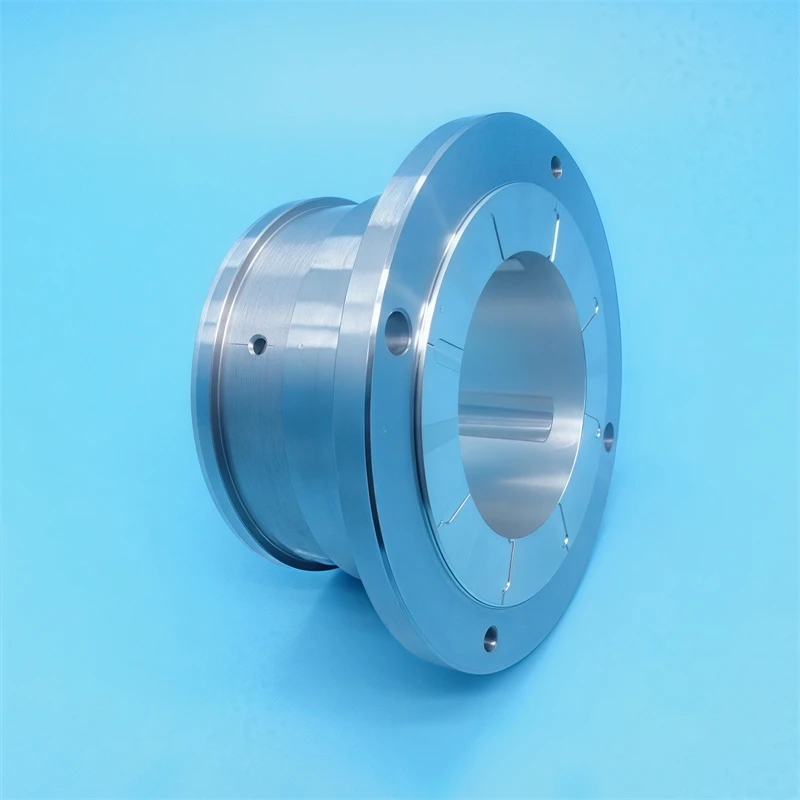
Another useful tool is a magnetic base. The magnetic base can be used to securely attach the dial indicator to a stable surface, such as a machine bed or a fixture. This ensures that the dial indicator remains in a fixed position during the measurement process, which is essential for getting accurate results.
Measuring Radial Run - out
Radial run - out is the deviation of the bearing's outer or inner diameter from its true circular shape when the bearing is rotating. Here's how you can measure the radial run - out of a Taper - land Thrust Bearing using a dial indicator:
- Prepare the Bearing and the Measuring Setup: First, make sure the bearing is clean and free from any debris. Mount the bearing on a shaft or a mandrel, depending on whether you're measuring the inner or outer diameter. Then, attach the magnetic base to a stable surface near the bearing.
- Position the Dial Indicator: Place the plunger of the dial indicator perpendicular to the surface of the bearing that you want to measure. For example, if you're measuring the outer diameter, position the plunger so that it touches the outer surface of the bearing. Make sure the dial indicator is set to zero before you start the measurement.
- Rotate the Bearing: Slowly rotate the bearing by hand or using a motorized device. As the bearing rotates, the plunger of the dial indicator will move up and down, indicating the amount of radial run - out. Watch the dial of the indicator and note the maximum and minimum readings. The difference between the maximum and minimum readings is the radial run - out of the bearing.
Measuring Axial Run - out
Axial run - out is the deviation of the bearing's face from a perpendicular position to the shaft axis when the bearing is rotating. To measure the axial run - out of a Taper - land Thrust Bearing, follow these steps:
- Set up the Measuring Equipment: Similar to measuring radial run - out, clean the bearing and mount it on a shaft. Attach the magnetic base to a stable surface and position the dial indicator so that the plunger touches the face of the bearing. Make sure the dial indicator is set to zero.
- Rotate the Bearing: Rotate the bearing slowly. As the bearing rotates, the plunger of the dial indicator will move axially, indicating the amount of axial run - out. Again, note the maximum and minimum readings on the dial. The difference between these two readings is the axial run - out of the bearing.
Importance of Accurate Measurement
Accurately measuring the run - out of Taper - land Thrust Bearings is super important. If the run - out is too high, it can cause uneven loading on the bearing, which can lead to increased friction, heat generation, and wear. This can significantly reduce the lifespan of the bearing and may even cause the bearing to fail prematurely.
On the other hand, if the run - out is within the acceptable limits, the bearing will operate smoothly, with less vibration and noise. This not only improves the performance of the bearing but also enhances the overall efficiency of the machinery in which the bearing is installed.
Related Bearings
There are other types of bearings that are related to Taper - land Thrust Bearings. For example, the Tin Bronze Thrust Bearing is another type of thrust bearing that is known for its high load - carrying capacity and good wear resistance. The Plain Journal Fluid Film Bearing is a type of radial bearing that uses a fluid film to support the load. Understanding these related bearings can give you a better perspective on the role and importance of Taper - land Thrust Bearings in different applications.
Conclusion
Measuring the run - out of Taper - land Thrust Bearings is a crucial step in ensuring their proper performance and longevity. By using the right tools and following the correct measurement procedures, you can accurately determine the run - out of the bearings and take appropriate actions if the run - out is outside the acceptable limits.
If you're in the market for high - quality Taper - land Thrust Bearings or have any questions about measuring run - out or other bearing - related issues, don't hesitate to reach out. We're here to help you find the best bearing solutions for your specific needs. Let's start a conversation and see how we can work together to improve your machinery's performance.
References
- "Bearing Handbook" by SKF
- "Mechanical Design and Analysis" textbooks