

As a supplier of Sleeve Babbitt Bearings, I understand the importance of optimizing the performance of these critical components. One of the key aspects that many of our customers are interested in is how to increase the speed limit of a Sleeve Babbitt Bearing. In this blog post, I will share some scientific and practical methods based on my experience and industry knowledge.
Understanding the Basics of Sleeve Babbitt Bearings
Before diving into the ways to increase the speed limit, it's essential to have a basic understanding of Sleeve Babbitt Bearings. A Sleeve Babbitt Bearing is a type of fluid - film bearing that uses a thin layer of babbitt metal on the inner surface of the bearing sleeve. This babbitt layer provides low friction, good wear resistance, and excellent compatibility with the rotating shaft.
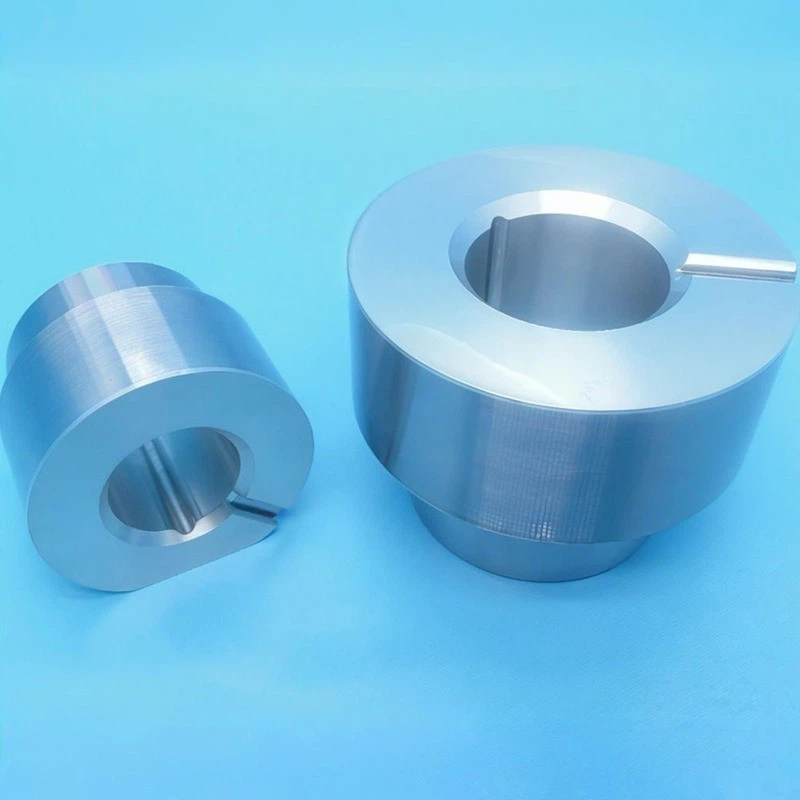

The speed limit of a Sleeve Babbitt Bearing is determined by several factors, including the bearing design, lubrication, material properties, and operating conditions. By carefully considering and optimizing these factors, we can effectively increase the speed limit of the bearing.
Optimizing Bearing Design
The design of the Sleeve Babbitt Bearing plays a crucial role in determining its speed limit. Here are some design considerations:
- Clearance: The radial clearance between the shaft and the bearing sleeve is a critical parameter. A proper clearance allows for the formation of a stable fluid - film lubrication layer. If the clearance is too small, it may lead to excessive heat generation and wear due to insufficient lubricant flow. On the other hand, if the clearance is too large, the bearing may experience instability and vibration at high speeds. We need to carefully calculate and select the appropriate clearance based on the shaft diameter, speed, and load.
- Bearing Length - to - Diameter Ratio: The ratio of the bearing length to the shaft diameter (L/D ratio) affects the bearing's load - carrying capacity and stability. A higher L/D ratio generally provides better load - distribution and stability at high speeds. However, it also increases the frictional torque. Therefore, we need to find a balance between the L/D ratio and other factors to optimize the bearing performance.
- Bearing Geometry: The shape of the bearing sleeve, such as the presence of grooves or oil holes, can significantly affect the lubricant flow and distribution. Well - designed grooves can help to distribute the lubricant evenly along the bearing surface, reducing friction and wear. For example, axial grooves can enhance the lubricant flow in the axial direction, while circumferential grooves can improve the lubricant distribution in the circumferential direction.
Enhancing Lubrication
Lubrication is one of the most important factors in increasing the speed limit of a Sleeve Babbitt Bearing. A good lubricant can reduce friction, dissipate heat, and prevent wear and corrosion. Here are some lubrication - related measures:
- Lubricant Selection: The choice of lubricant depends on the operating conditions, such as temperature, speed, and load. High - quality lubricants with good viscosity - temperature characteristics, anti - wear properties, and oxidation resistance are preferred. For high - speed applications, synthetic lubricants often offer better performance than mineral oils. They can maintain a stable viscosity at high temperatures and provide excellent lubrication under extreme conditions.
- Lubrication Method: There are several lubrication methods available, including splash lubrication, pressure lubrication, and oil - mist lubrication. Pressure lubrication is often the preferred method for high - speed Sleeve Babbitt Bearings. It can ensure a continuous and sufficient supply of lubricant to the bearing surface, even at high speeds. The lubricant is pumped into the bearing through oil holes or grooves, creating a stable fluid - film lubrication layer.
- Lubricant Filtration: Contaminants in the lubricant can cause abrasive wear and damage to the bearing surface. Therefore, it is essential to use a high - efficiency lubricant filtration system. Filters can remove particles, water, and other impurities from the lubricant, ensuring its cleanliness and performance. Regularly changing the filters and monitoring the lubricant quality can help to extend the bearing life and increase the speed limit.
Improving Material Properties
The material properties of the Sleeve Babbitt Bearing also have a significant impact on its speed limit. Here are some aspects to consider:
- Babbitt Metal Quality: The quality of the babbitt metal used in the bearing sleeve is crucial. High - quality babbitt metals have good anti - seizure properties, low friction coefficients, and excellent fatigue resistance. They can withstand high loads and speeds without significant wear or deformation. We need to ensure that the babbitt metal is properly poured and bonded to the bearing sleeve to avoid delamination or cracking.
- Shaft Material: The material of the shaft also affects the bearing performance. A shaft with high hardness, good surface finish, and low thermal expansion coefficient is beneficial for high - speed applications. The shaft surface should be smooth and free of defects to reduce friction and wear. Additionally, proper heat treatment of the shaft can improve its mechanical properties and resistance to fatigue.
Controlling Operating Conditions
The operating conditions of the Sleeve Babbitt Bearing can have a direct impact on its speed limit. Here are some factors to control:
- Temperature: High temperatures can cause the lubricant to degrade, reduce its viscosity, and lead to thermal expansion of the bearing components. This can result in increased friction, wear, and even bearing failure. Therefore, it is essential to control the operating temperature of the bearing. Cooling systems, such as oil coolers or water - cooled jackets, can be used to dissipate heat and maintain the bearing temperature within a safe range.
- Load: The load on the bearing affects its stress distribution and wear rate. Excessive loads can cause plastic deformation of the babbitt layer and increase the friction and heat generation. We need to ensure that the bearing is properly sized and rated for the actual load conditions. If possible, we can also reduce the load on the bearing by optimizing the system design or using additional support structures.
- Vibration and Alignment: Vibration and misalignment can cause uneven loading on the bearing, leading to premature wear and failure. We need to ensure that the shaft and the bearing are properly aligned during installation. Additionally, vibration - damping devices can be used to reduce the vibration levels and improve the bearing's stability at high speeds.
Conclusion
Increasing the speed limit of a Sleeve Babbitt Bearing requires a comprehensive approach that considers bearing design, lubrication, material properties, and operating conditions. By carefully optimizing these factors, we can significantly improve the bearing's performance and reliability at high speeds.
As a Sleeve Babbitt Bearing supplier, we have extensive experience and expertise in providing high - quality bearings and technical support. If you are interested in improving the speed limit of your Sleeve Babbitt Bearings or have any other bearing - related needs, please feel free to contact us for further discussion and procurement. We are committed to helping you find the best solutions for your applications.
References
- Harris, T. A., & Kotzalas, M. N. (2007). Rolling Bearing Analysis. Wiley.
- Hamrock, B. J., Schmid, S. R., & Jacobson, B. O. (2004). Fundamentals of Fluid Film Lubrication. Marcel Dekker.
- Errichello, R. (2010). Machinery's Handbook: A Reference Book for the Mechanical Engineer, Designer, Manufacturing Engineer, Draftsman, Toolmaker, and Machinist. Industrial Press.