

Hey there! As a supplier of Babbitt Flanged Bearings, I've seen firsthand the importance of these components in various industrial applications. In this blog, I'm gonna share some tips on how to improve the performance of Babbitt Flanged Bearings.
Understanding Babbitt Flanged Bearings
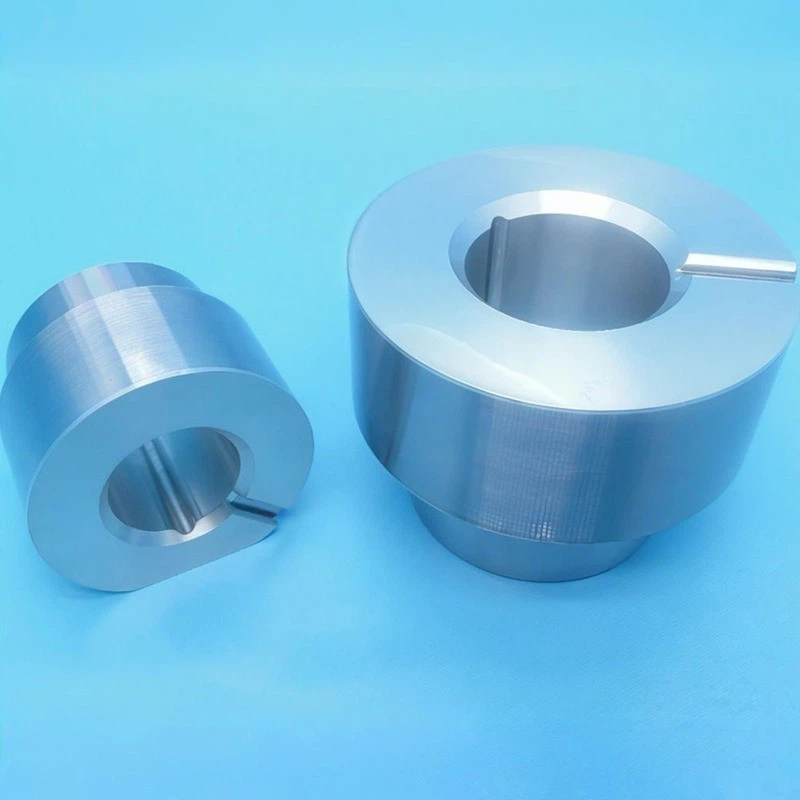
First off, let's quickly go over what Babbitt Flanged Bearings are. Babbitt is a soft alloy that's used as a lining material in bearings. The flanged part of the bearing provides additional support and helps to keep the bearing in place. These bearings are widely used in machinery where there's a need for smooth rotation and reduced friction. You can learn more about Babbitt Bearing and Sleeve Babbitt Bearing on our website. And of course, for all the details about Babbitt Flanged Bearings, just click the link.
Proper Installation
One of the most crucial steps in ensuring the good performance of Babbitt Flanged Bearings is proper installation. You gotta make sure the bearing is installed correctly on the shaft and in the housing. Any misalignment can cause uneven wear and tear on the bearing, which will reduce its lifespan and performance.
When installing the bearing, clean the shaft and the housing thoroughly. Remove any dirt, debris, or old lubricant. This will prevent contaminants from getting into the bearing and causing damage. Also, use the right tools for installation. Don't try to force the bearing into place; it should fit snugly but not be too tight.
Lubrication
Lubrication is key for the smooth operation of Babbitt Flanged Bearings. It reduces friction between the bearing and the shaft, which in turn reduces wear and heat generation. You need to choose the right lubricant for your application. Consider factors like the operating temperature, load, and speed of the machinery.
Regularly check the lubricant level and quality. If the lubricant is dirty or has lost its viscosity, it's time to change it. Also, make sure to lubricate the bearing at the recommended intervals. Over - lubrication can be just as bad as under - lubrication, as it can cause the lubricant to break down faster and attract more contaminants.
Maintenance and Inspection
Regular maintenance and inspection are essential for improving the performance of Babbitt Flanged Bearings. Set up a maintenance schedule and stick to it. During inspections, look for signs of wear, such as scratches, pitting, or discoloration on the bearing surface. Check the clearance between the bearing and the shaft; if it's too large, it can lead to excessive vibration and noise.
If you notice any issues during the inspection, address them right away. Minor problems can quickly turn into major ones if left unattended. For example, a small scratch on the bearing surface can cause the lubricant film to break down, leading to increased friction and wear.
Operating Conditions
Be aware of the operating conditions of the machinery where the Babbitt Flanged Bearings are used. High temperatures, heavy loads, and high - speed operation can all put extra stress on the bearings. If possible, try to optimize the operating conditions.
For instance, if the machinery is running at a very high temperature, you might need to install a cooling system. This will help keep the bearing temperature within a safe range and prevent the Babbitt alloy from softening or melting. Similarly, if the load is too heavy, you might need to upgrade to a larger or more robust bearing.
Material Quality
The quality of the Babbitt alloy and the bearing housing material also plays a big role in the performance of Babbitt Flanged Bearings. As a supplier, we make sure to use high - quality materials in our bearings. The Babbitt alloy should have the right composition and hardness to withstand the operating conditions.
The bearing housing should be made of a material that can provide good support and have good thermal conductivity. This will help dissipate the heat generated during operation and prevent the bearing from overheating.
Monitoring and Data Analysis
In today's tech - savvy world, it's a good idea to use monitoring systems to keep an eye on the performance of Babbitt Flanged Bearings. These systems can measure parameters like temperature, vibration, and noise. By analyzing the data collected from these systems, you can detect potential problems early on and take preventive measures.

For example, if the vibration levels of the bearing start to increase, it could be a sign of misalignment or wear. By analyzing the data trends, you can figure out what's causing the problem and fix it before it leads to a bearing failure.
Training and Education
Make sure your maintenance and operating staff are well - trained in handling Babbitt Flanged Bearings. They should know how to install, lubricate, and maintain the bearings properly. Provide them with regular training sessions to keep them updated on the latest best practices.
A well - trained staff is more likely to notice potential problems early and take the right actions. They can also follow the maintenance schedule more effectively, which will improve the overall performance and lifespan of the bearings.
Conclusion
Improving the performance of Babbitt Flanged Bearings requires a combination of proper installation, lubrication, maintenance, and monitoring. By following these tips, you can ensure that your bearings operate smoothly, last longer, and provide reliable performance in your machinery.
If you're in the market for high - quality Babbitt Flanged Bearings or need more advice on improving their performance, don't hesitate to reach out. We're here to help you with all your bearing needs. Whether you're a small - scale manufacturer or a large industrial company, we can provide the right solutions for you.
References
- Industrial Bearing Handbook
- Machinery Lubrication Guide