

As a supplier of Babbitt Flanged Bearings, I understand the importance of proper maintenance and cleaning for these crucial components. Babbitt Flanged Bearings are widely used in various industrial applications due to their excellent load - carrying capacity, low friction, and good anti - seizure properties. In this blog, I will share some scientific and practical methods on how to clean Babbitt Flanged Bearings.
Understanding Babbitt Flanged Bearings
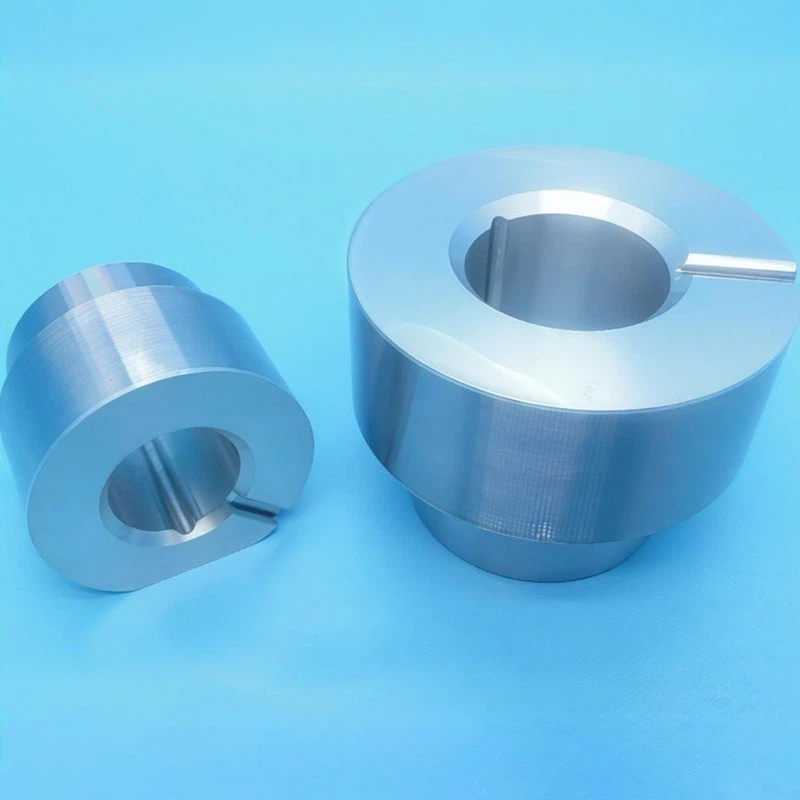
Before delving into the cleaning process, it's essential to have a basic understanding of Babbitt Flanged Bearings. Babbitt is a soft alloy typically composed of tin, antimony, and copper. These bearings consist of a flanged design that provides additional support and alignment in machinery. They are often used in motors, pumps, and other rotating equipment. You can learn more about Babbitt Bearing and Sleeve Babbitt Bearing on our website, and for detailed information about Babbitt Flanged Bearings, you can also visit the relevant page.
Reasons for Cleaning Babbitt Flanged Bearings
Over time, Babbitt Flanged Bearings can accumulate dirt, debris, and contaminants. These impurities can cause increased friction, wear, and even damage to the bearing surface. Cleaning the bearings regularly can help maintain their performance, extend their service life, and prevent costly breakdowns. Some common contaminants include dust, metal shavings, oil sludge, and chemical residues.
Pre - cleaning Preparation
- Safety First: Before starting the cleaning process, ensure that you are wearing appropriate personal protective equipment (PPE), such as gloves and safety glasses. This will protect you from any potential hazards, such as sharp edges on the bearing or harmful cleaning agents.
- Gather Tools and Materials: You will need a variety of tools and materials for the cleaning process. These may include a cleaning solvent, a soft - bristle brush, a lint - free cloth, a container for soaking the bearing, and a measuring device to check the bearing dimensions if necessary.
- Disassembly: If possible, disassemble the bearing from the machinery. This will allow for a more thorough cleaning. However, be careful during the disassembly process to avoid damaging the bearing or other components. Keep track of all the parts and their positions to ensure proper reassembly later.
Cleaning Methods
- Dry Cleaning: For light dirt and debris, dry cleaning can be an effective first step. Use a soft - bristle brush to gently remove any loose particles from the bearing surface. Be careful not to scratch the Babbitt layer, as it is relatively soft. You can also use compressed air to blow away any remaining dust.
- Solvent Cleaning: For more stubborn contaminants, solvent cleaning is often required. Select a suitable cleaning solvent that is compatible with the Babbitt material. Mineral spirits or a specialized bearing cleaning solvent can be used. Immerse the bearing in the solvent in a container and let it soak for a period of time, usually 15 - 30 minutes. This will help dissolve the dirt and oil.
- While the bearing is soaking, use the soft - bristle brush to gently scrub the bearing surface, paying special attention to the areas with heavy contamination. Be gentle to avoid damaging the Babbitt layer.
- After soaking and scrubbing, remove the bearing from the solvent and rinse it thoroughly with clean solvent to remove any remaining residue.
- Ultrasonic Cleaning: For extremely dirty bearings or those with hard - to - reach contaminants, ultrasonic cleaning can be a very effective method. Ultrasonic cleaners use high - frequency sound waves to create tiny bubbles in the cleaning solution. These bubbles collapse near the bearing surface, creating a scrubbing action that can remove even the most stubborn dirt. Place the bearing in the ultrasonic cleaner with the appropriate cleaning solution and run the cleaner for the recommended time, usually 10 - 20 minutes.
- Rinsing and Drying: After cleaning, rinse the bearing with a clean, non - residue solvent to remove any remaining cleaning agents. Then, dry the bearing thoroughly using a lint - free cloth or compressed air. Make sure that the bearing is completely dry before reassembly, as any moisture left on the surface can cause corrosion.
Inspection After Cleaning
Once the bearing is clean and dry, it's important to inspect it for any signs of damage or wear. Check the Babbitt layer for cracks, pits, or excessive wear. Measure the bearing dimensions to ensure that they are within the specified tolerances. If you notice any significant damage, it may be necessary to replace the bearing.
Reassembly and Lubrication
After inspection, reassemble the bearing in the machinery according to the manufacturer's instructions. Make sure that all the parts are properly aligned and tightened. Then, apply the appropriate lubricant to the bearing. The lubricant will help reduce friction and protect the bearing surface during operation.

Preventive Measures
To minimize the need for frequent cleaning and extend the life of the Babbitt Flanged Bearings, some preventive measures can be taken.
- Proper Sealing: Ensure that the bearing housing has proper seals to prevent dirt and contaminants from entering the bearing. This can significantly reduce the amount of debris that accumulates on the bearing surface.
- Regular Maintenance Schedule: Establish a regular maintenance schedule for the machinery that includes bearing inspection and cleaning. This will help catch any potential problems early and keep the bearings in good condition.
- Clean Operating Environment: Keep the operating environment of the machinery as clean as possible. Minimize dust and debris in the area to reduce the chances of contamination.
Conclusion
Cleaning Babbitt Flanged Bearings is an important part of their maintenance. By following the proper cleaning methods and preventive measures, you can ensure that the bearings perform optimally and have a long service life. As a Babbitt Flanged Bearings supplier, we are committed to providing high - quality products and valuable technical support. If you have any questions about Babbitt Flanged Bearings or need assistance with cleaning and maintenance, please feel free to contact us for further discussion and potential procurement. We are here to help you find the best solutions for your industrial needs.
References
- "Handbook of Bearings: Selection, Installation, Lubrication, and Maintenance"
- Manufacturer's manuals for Babbitt Flanged Bearings