

Hey there! As a supplier of Tilting Pad Thrust Bearings, I've been getting a lot of questions lately about how the coefficient of friction affects the performance of these bearings. So, I thought I'd take a deep dive into this topic and share my insights with you all.
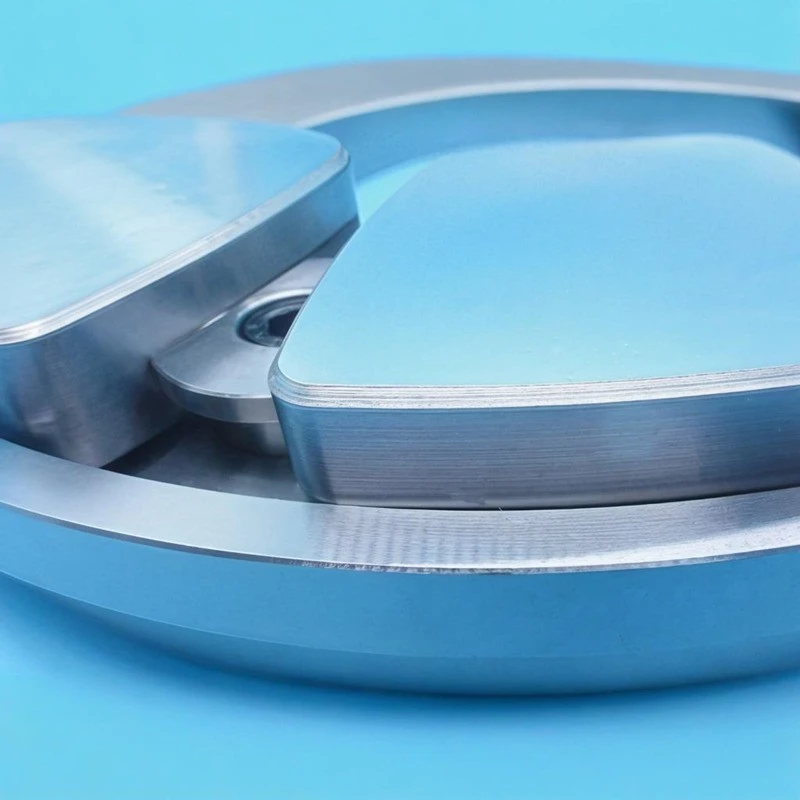
First off, let's quickly go over what a tilting pad thrust bearing is. It's a type of bearing that's designed to handle axial loads, which are loads that act parallel to the shaft. These bearings are commonly used in high - speed rotating machinery like turbines, pumps, and compressors. The unique feature of a tilting pad thrust bearing is that the pads can tilt to form a wedge - shaped oil film between the pad and the thrust collar, which helps in reducing friction and wear.
Now, let's talk about the coefficient of friction. Simply put, the coefficient of friction is a measure of how much two surfaces resist sliding against each other. In the context of a tilting pad thrust bearing, it's the ratio of the frictional force between the pad and the thrust collar to the normal force pressing the two surfaces together.
A low coefficient of friction is generally desirable for a tilting pad thrust bearing. Why? Well, there are several reasons. Firstly, less friction means less heat generation. When the coefficient of friction is high, more energy is converted into heat as the surfaces slide against each other. This can lead to a rise in temperature within the bearing, which can cause problems like thermal expansion of the bearing components. Thermal expansion can change the clearances within the bearing, potentially leading to metal - to - metal contact and premature wear.
Secondly, a low coefficient of friction reduces power loss. In high - speed machinery, even a small amount of frictional power loss can add up over time. By minimizing the coefficient of friction, the efficiency of the machine can be significantly improved. This means that less energy is wasted, and the machine can operate more economically.
Let's take a look at how the coefficient of friction affects different aspects of a tilting pad thrust bearing's performance.
Load - carrying capacity
The load - carrying capacity of a tilting pad thrust bearing is closely related to the coefficient of friction. When the coefficient of friction is low, the bearing can support higher loads without excessive wear or failure. This is because a low - friction oil film can better distribute the load across the pad surface. As the load increases, the pads tilt to maintain the oil film thickness. A low coefficient of friction allows the pads to tilt more easily, ensuring that the oil film remains intact and can effectively carry the load.
On the other hand, a high coefficient of friction can reduce the load - carrying capacity. When there's a lot of friction, the pads may not be able to tilt properly, leading to uneven load distribution. This can cause some areas of the pad to experience higher stresses than others, increasing the risk of fatigue failure.
Lubrication
Lubrication is crucial for the proper functioning of a tilting pad thrust bearing. The coefficient of friction is directly influenced by the quality and thickness of the lubricating oil film. A well - lubricated bearing will have a lower coefficient of friction.
The oil film acts as a barrier between the pad and the thrust collar, preventing direct metal - to - metal contact. The thickness of the oil film depends on factors such as the speed of rotation, the viscosity of the oil, and the load on the bearing. If the coefficient of friction is high, it may indicate that the oil film is too thin or that the oil has degraded.
For example, if the oil viscosity is too low, the oil film may not be able to support the load, resulting in increased friction. Similarly, if the oil is contaminated or has lost its lubricating properties over time, the coefficient of friction will increase.
Wear and tear
As mentioned earlier, a high coefficient of friction can lead to increased wear and tear on the bearing components. When the surfaces slide against each other with a lot of resistance, the material on the pad and the thrust collar can be gradually worn away. This can reduce the lifespan of the bearing and require more frequent maintenance and replacement.
On the contrary, a low coefficient of friction means that the wear rate is much lower. The oil film provides a protective layer that reduces the abrasion between the surfaces. This not only extends the life of the bearing but also reduces the overall cost of ownership.
Noise and vibration
Friction can also contribute to noise and vibration in the bearing. A high coefficient of friction can cause the bearing to operate less smoothly, resulting in increased noise levels and vibration. This can be a problem in applications where quiet operation is required, such as in some types of precision machinery.
By maintaining a low coefficient of friction, the bearing can run more quietly and with less vibration. This improves the overall performance of the machine and can also reduce the stress on other components.
Now, let's talk about how we, as a tilting pad thrust bearing supplier, can help you optimize the coefficient of friction in your bearings.
We offer a range of Pedestal Pad Thrust Bearing designs that are engineered to minimize friction. Our bearings are carefully manufactured using high - quality materials and advanced manufacturing processes. We pay close attention to the surface finish of the pads and the thrust collar, as a smooth surface can reduce friction.

In addition, we provide expert advice on lubrication. We can recommend the right type of lubricating oil based on your specific application requirements, including factors such as the operating temperature, speed, and load. We also offer regular maintenance services to ensure that the oil remains clean and in good condition, which helps in maintaining a low coefficient of friction.
Our Tilting Pad Thrust Bearing Assembly is designed to be easy to install and maintain. Proper installation is crucial for achieving the desired coefficient of friction. We can provide installation guides and on - site support to ensure that your bearings are installed correctly.
If you're looking for a Pad Thrust Bearing that offers optimal performance with a low coefficient of friction, we're here to help. Whether you're in the power generation, oil and gas, or any other industry that uses high - speed rotating machinery, we have the expertise and products to meet your needs.
If you're interested in learning more about our tilting pad thrust bearings or have any questions about how the coefficient of friction affects bearing performance, don't hesitate to get in touch. We'd be more than happy to discuss your specific requirements and help you find the best solution for your application. Contact us today to start a conversation about your bearing needs and take your machinery's performance to the next level.
References
- "Tribology in Machine Design" by Michael J. Neale
- "Fluid Film Bearings: Design and Application" by G. R. Hargreaves
- "Bearing Technology Handbook" by John A. Blackwood