

Hey there! I'm a supplier of babbitt bearings, and today I wanna chat about how expansion affects the performance of these nifty little components. Babbitt bearings are pretty crucial in a whole bunch of industries, from automotive to heavy machinery. They're known for their low friction and good wear resistance, but expansion can throw a bit of a wrench into their performance.
First off, let's talk about what causes expansion in babbitt bearings. One of the main culprits is temperature. When the temperature goes up, the babbitt material, as well as the surrounding components, start to expand. This is due to the basic principle of thermal expansion, where materials increase in volume as they heat up. For babbitt bearings, this can be a real issue because even a small amount of expansion can change the clearances within the bearing.
Clearances are super important in babbitt bearings. They're the small gaps between the bearing and the shaft, and they allow for proper lubrication and smooth operation. When the bearing expands due to temperature, these clearances can decrease. If the clearances get too small, it can lead to a lack of proper lubrication. Without enough lubricant, the friction between the bearing and the shaft goes up, which can cause excessive wear and tear. This wear can shorten the lifespan of the bearing and lead to costly repairs or replacements.
Another problem that can arise from expansion is something called binding. When the bearing expands and the clearances disappear, the bearing can start to bind against the shaft. This means that the shaft can't rotate freely, and it can cause the machinery to seize up. Seizures are a major headache in industrial settings because they can lead to production downtime and expensive repairs.
But it's not just temperature that can cause expansion. Pressure can also play a role. In high - pressure applications, the babbitt material can be compressed and then expand when the pressure is released. This kind of expansion can also affect the clearances and the overall performance of the bearing. For example, in hydraulic systems where babbitt bearings are used, sudden changes in pressure can cause rapid expansion and contraction of the bearing, leading to fatigue and potential failure.
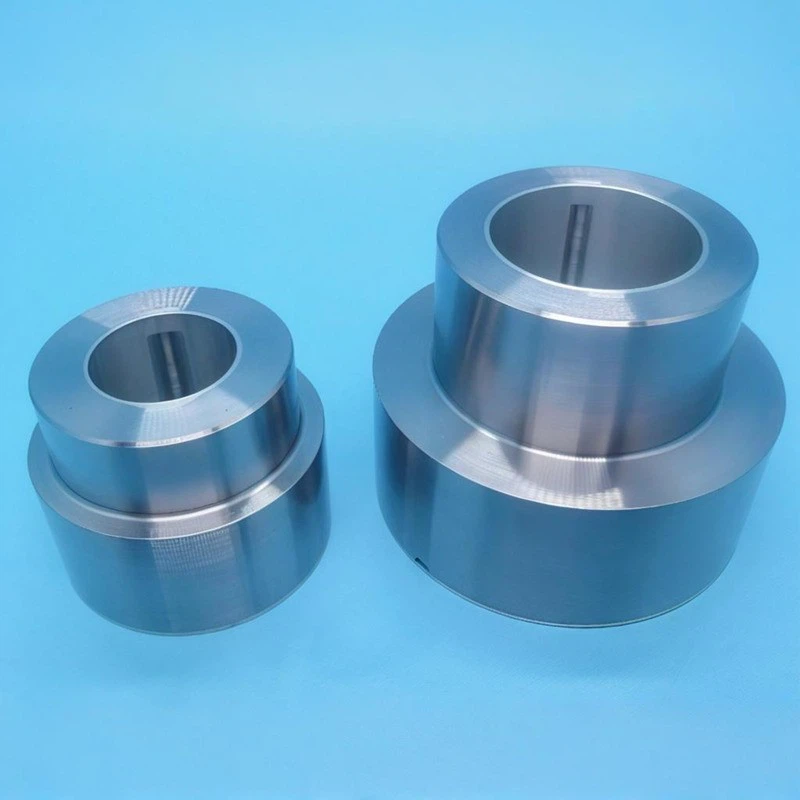
Now, let's take a look at how expansion affects different types of babbitt bearings. There are various types out there, like Babbitt Flanged Bearings, Sleeve Babbitt Bearing, and the general Babbitt Bearing.
Flanged babbitt bearings have a flange that helps to position and secure the bearing in place. When expansion occurs, the flange can be affected. If the flange expands unevenly, it can cause misalignment of the bearing. Misalignment can lead to uneven wear on the bearing surface and can also affect the performance of the entire machinery. For example, in a conveyor system, a misaligned flanged babbitt bearing can cause the conveyor belt to run off - track, leading to production issues.
Sleeve babbitt bearings, on the other hand, are more simple in design. They're basically a cylindrical sleeve that fits around the shaft. Expansion in sleeve babbitt bearings can cause the sleeve to become too tight around the shaft. This can lead to overheating, as the increased friction generates more heat. Overheating can further exacerbate the expansion problem, creating a vicious cycle that can quickly damage the bearing.
So, what can be done to mitigate the effects of expansion on babbitt bearings? One solution is to use proper materials. Some babbitt alloys are more resistant to thermal expansion than others. By choosing the right alloy, you can reduce the amount of expansion that occurs. Additionally, proper design and installation are crucial. Engineers need to account for potential expansion when designing the bearing and the machinery it will be used in. This might involve leaving larger clearances than normal to accommodate for expansion.
Lubrication also plays a key role. Using high - quality lubricants can help to reduce friction and heat, which in turn can reduce the amount of expansion. Regular maintenance is also important. By monitoring the temperature and condition of the bearings, you can catch any signs of expansion - related problems early and take corrective action.

As a babbitt bearing supplier, I've seen firsthand the impact that expansion can have on these components. I've worked with customers to find solutions to expansion - related issues, whether it's through choosing the right alloy, improving lubrication, or making design changes. If you're in the market for babbitt bearings or are facing problems with expansion in your existing bearings, I'd love to have a chat. We can discuss your specific needs and come up with the best solutions for your application.
In conclusion, expansion can have a significant impact on the performance of babbitt bearings. Whether it's due to temperature, pressure, or other factors, it can lead to problems like reduced clearances, binding, wear, and overheating. But with the right materials, design, lubrication, and maintenance, these issues can be managed. So, if you're looking for reliable babbitt bearings or need help with your current setup, don't hesitate to reach out. Let's work together to ensure that your machinery runs smoothly and efficiently.
References
- "Handbook of Bearings: Selection, Installation, and Maintenance"
- "Engineering Materials and Their Applications"
- Industry research papers on babbitt bearing performance