

In the realm of mechanical engineering, bearings play a crucial role in ensuring the smooth operation of various machinery. Among the different types of bearings available, Babbitt Flanged Bearings stand out for their unique design and exceptional performance. As a trusted supplier of Babbitt Flanged Bearings, I am excited to delve into the intricacies of how these bearings work and why they are a preferred choice in many industrial applications.
Understanding Babbitt Bearings
Before we explore the working mechanism of Babbitt Flanged Bearings, it is essential to understand the concept of Babbitt Bearings in general. Babbitt bearings are a type of plain bearing that uses a soft, white metal alloy known as Babbitt metal as the bearing surface. This alloy, typically composed of tin, antimony, and copper, offers excellent anti - friction properties, high load - carrying capacity, and good compatibility with the shaft material.
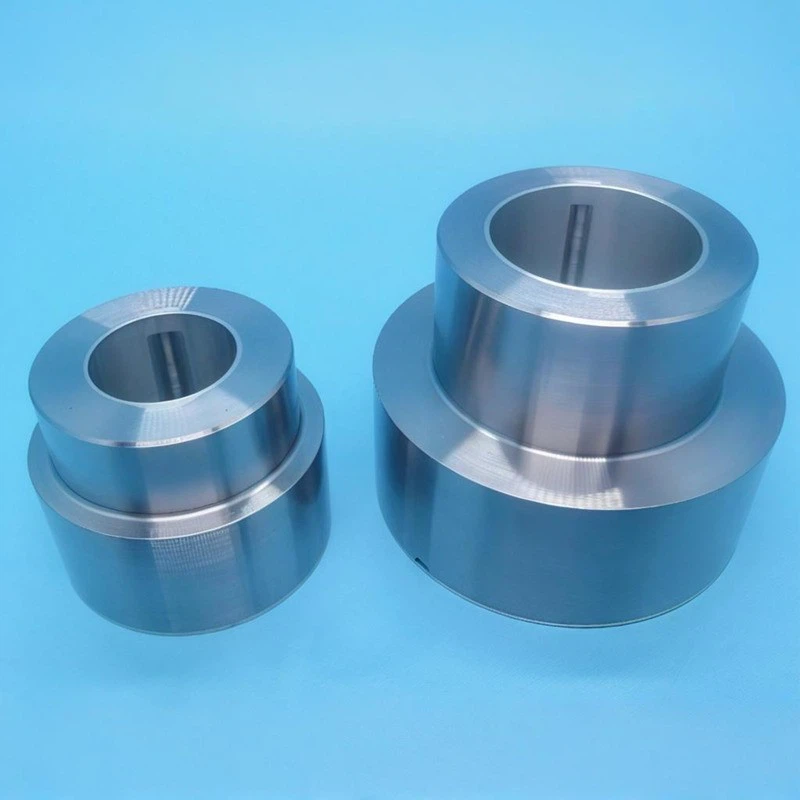
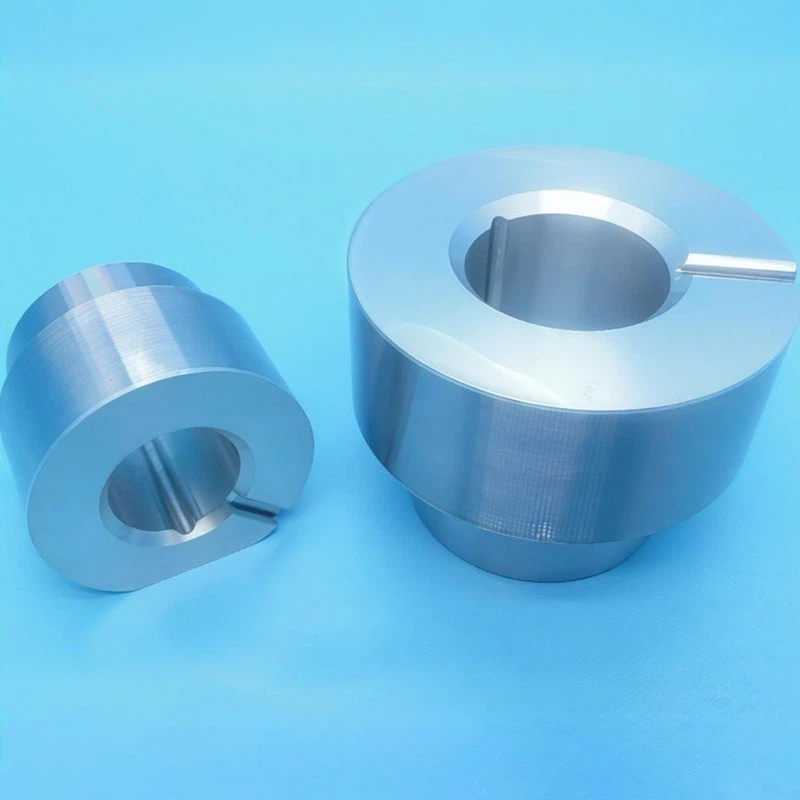
The Babbitt metal is usually cast or bonded onto a stronger backing material, such as steel or bronze. This combination allows the bearing to withstand high pressures while providing a smooth surface for the shaft to rotate on. The soft nature of the Babbitt metal also helps to embed any foreign particles that may enter the bearing, preventing damage to the shaft.
Anatomy of Babbitt Flanged Bearings
Babbitt Flanged Bearings are a specialized type of Babbitt bearing with a flange or collar on one or both ends. The flange serves multiple purposes. Firstly, it provides axial location and restraint, preventing the bearing from moving axially along the shaft. This is particularly important in applications where the shaft needs to be precisely positioned. Secondly, the flange can act as a seal to prevent lubricant leakage and keep contaminants out of the bearing.
The bearing consists of several key components. The outer shell is typically made of a strong and rigid material like steel, which provides the structural support for the bearing. Inside the shell, there is a layer of Babbitt metal that forms the bearing surface. The flange is an integral part of the outer shell and is designed to fit snugly against the adjacent components in the machinery.
The Working Principle of Babbitt Flanged Bearings
Lubrication
Lubrication is a fundamental aspect of how Babbitt Flanged Bearings work. A thin film of lubricant, usually oil or grease, is introduced between the Babbitt metal surface and the rotating shaft. This lubricant film serves several important functions.
Firstly, it reduces friction between the shaft and the bearing surface. When the shaft rotates, the lubricant molecules create a separation between the two surfaces, allowing them to slide past each other with minimal resistance. This not only reduces wear and tear but also improves the efficiency of the machinery.
Secondly, the lubricant helps to dissipate heat generated during the operation of the bearing. As the shaft rotates, friction produces heat, and if this heat is not removed, it can cause the Babbitt metal to soften or even melt. The lubricant absorbs the heat and transfers it away from the bearing, maintaining a stable operating temperature.
Hydrodynamic Lubrication
Babbitt Flanged Bearings operate under the principle of hydrodynamic lubrication. When the shaft starts to rotate, it drags the lubricant into the narrow gap between the shaft and the bearing surface. As the shaft speed increases, the lubricant is forced into a wedge - shaped film. This film generates a hydrodynamic pressure that supports the load on the bearing.
The pressure distribution within the lubricant film is not uniform. It is highest at the narrowest part of the wedge and gradually decreases towards the edges. This pressure distribution ensures that the shaft is lifted off the bearing surface, creating a full - film lubrication condition. In this state, the shaft and the bearing surface are completely separated by the lubricant film, and the only contact between them is through the lubricant molecules.
Load - Carrying Capacity
The load - carrying capacity of Babbitt Flanged Bearings is determined by several factors. The properties of the Babbitt metal, such as its hardness and yield strength, play a significant role. A harder Babbitt metal can withstand higher pressures without deforming. The thickness of the Babbitt layer also affects the load - carrying capacity. A thicker layer can distribute the load over a larger area, reducing the stress on the bearing surface.
The design of the bearing, including the size and shape of the bearing and the flange, also influences its load - carrying ability. A well - designed flange can help to distribute the axial load evenly, preventing localized stress concentrations. Additionally, the lubricant film thickness and its ability to support the load are crucial. A thicker and more stable lubricant film can carry higher loads.
Applications of Babbitt Flanged Bearings
Babbitt Flanged Bearings are widely used in various industrial applications. In the power generation industry, they are used in steam turbines, generators, and hydroelectric turbines. These applications require bearings with high load - carrying capacity and excellent stability to ensure the efficient and reliable operation of the equipment.
In the marine industry, Babbitt Flanged Bearings are used in ship engines, propeller shafts, and other rotating machinery. The ability of these bearings to withstand high loads and resist corrosion makes them suitable for the harsh marine environment.
They are also commonly found in large - scale manufacturing equipment, such as rolling mills, where they support heavy rolls and ensure smooth and precise operation.
Advantages of Babbitt Flanged Bearings
One of the main advantages of Babbitt Flanged Bearings is their excellent wear resistance. The soft Babbitt metal surface can adapt to minor misalignments and surface irregularities on the shaft, reducing the risk of premature wear. This results in a longer service life for the bearing and lower maintenance costs.
Another advantage is their high load - carrying capacity. The combination of the strong backing material and the Babbitt metal layer allows these bearings to support heavy loads, making them suitable for use in heavy - duty machinery.
The flanged design provides additional benefits, such as axial location and sealing. This simplifies the design of the machinery and improves its overall reliability.
Maintenance and Care of Babbitt Flanged Bearings
Proper maintenance is essential to ensure the optimal performance and longevity of Babbitt Flanged Bearings. Regular inspection of the bearing is necessary to check for signs of wear, damage, or lubricant contamination. The lubricant level and quality should be monitored and changed at regular intervals.
If the Babbitt metal shows signs of excessive wear, it may be necessary to re - line the bearing. This involves removing the worn Babbitt layer and applying a new one. It is a delicate process that requires specialized skills and equipment.
Contact for Purchase and Consultation
If you are in need of high - quality Babbitt Flanged Bearings for your industrial applications, I invite you to get in touch with us. Our team of experts can provide you with detailed information about our products, help you select the right bearing for your specific needs, and offer technical support throughout the purchasing process. We are committed to providing the best solutions to meet your requirements and ensure the smooth operation of your machinery.
References
- "Mechanical Design Handbook", edited by Robert C. Juvinall and Kurt M. Marshek. This comprehensive handbook provides in - depth knowledge about various mechanical components, including bearings.
- "Handbook of Lubrication and Tribology", Volume 1: Applications and Design, edited by Bhushan Bharat. It offers detailed information on lubrication principles and their application in different types of bearings.
- Technical papers from industry - leading manufacturers of Babbitt bearings, which provide practical insights into the design, operation, and maintenance of these bearings.