

Hey there! As a supplier of Sleeve Babbitt Bearings, I often get asked if our products comply with ISO standards. Well, let's dive right into it and find out.
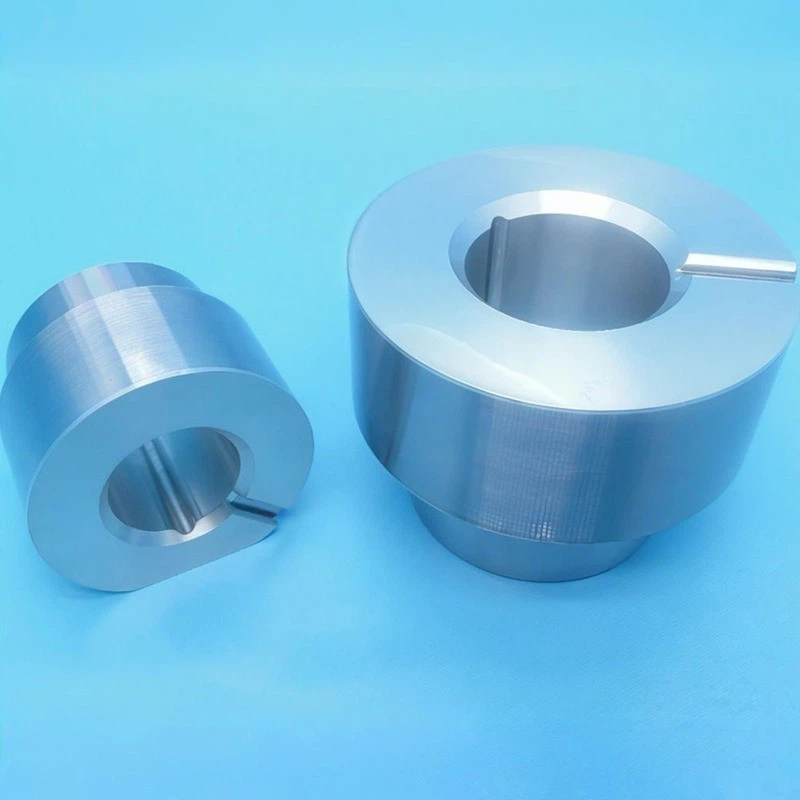
First off, what are Sleeve Babbitt Bearings anyway? Sleeve Babbitt Bearings, as the name suggests, are bearings with a babbitt lining. Babbitt is a soft alloy that provides excellent anti - friction properties, making these bearings ideal for various applications. You can learn more about them here: Sleeve Babbitt Bearing.
ISO standards are a set of international standards developed by the International Organization for Standardization. These standards ensure that products meet certain quality, safety, and performance requirements. Complying with ISO standards is crucial for businesses, as it not only guarantees the quality of the product but also enhances the company's reputation in the market.
Now, let's talk about whether Sleeve Babbitt Bearings comply with ISO standards. In general, many high - quality Sleeve Babbitt Bearings do comply with ISO standards. But it's not a one - size - fits - all situation. There are several factors that determine whether a particular bearing meets these standards.
Material Quality
The quality of the babbitt material used in the bearing is a key factor. ISO standards have specific requirements regarding the chemical composition of the babbitt alloy. For example, the amount of tin, antimony, and copper in the alloy needs to be within a certain range. At our company, we source the babbitt material from reliable suppliers and conduct rigorous quality checks to ensure that it meets the ISO - specified chemical composition. This helps in providing a bearing that has consistent performance and durability. You can read more about Babbitt Bearings in general here: Babbitt Bearing.

Manufacturing Process
The manufacturing process also plays a vital role in determining ISO compliance. ISO standards have guidelines for the manufacturing processes such as casting, machining, and assembly. During the casting process, the temperature, cooling rate, and mold design need to be carefully controlled to ensure a defect - free babbitt layer. Machining operations should be carried out with high precision to achieve the required dimensions and surface finish. At our production facility, we use state - of - the - art equipment and follow strict manufacturing protocols to meet these ISO requirements. This includes using advanced CNC machines for machining and automated inspection systems to check the dimensions and surface quality of the bearings.
Performance Testing
Performance testing is another important aspect. ISO standards define specific tests for bearings, such as load - carrying capacity, friction coefficient, and wear resistance tests. Our Sleeve Babbitt Bearings undergo a series of performance tests before they are released into the market. We use specialized testing equipment to simulate real - world operating conditions and measure the bearing's performance. If a bearing fails to meet the ISO - specified performance criteria, it is not approved for sale. This ensures that our customers get a product that can perform reliably in their applications.
Flanged Bearings and ISO Compliance
We also offer Babbitt Flanged Bearings. These bearings have a flange that provides additional support and alignment in certain applications. Just like our Sleeve Babbitt Bearings, our Babbitt Flanged Bearings are also manufactured to comply with ISO standards. The flange design and its dimensions are carefully engineered to meet the ISO requirements. This ensures that the flanged bearings can be easily integrated into existing systems and provide the necessary support and performance.
Benefits of ISO - Compliant Sleeve Babbitt Bearings
There are several benefits of using ISO - compliant Sleeve Babbitt Bearings. Firstly, it gives customers peace of mind knowing that the product they are buying has been manufactured to international quality standards. This reduces the risk of bearing failure and downtime in their equipment. Secondly, ISO - compliant bearings are more likely to be compatible with other components in the system, as they meet the standard dimensions and performance requirements. This makes the installation process smoother and more efficient.
How We Ensure ISO Compliance
At our company, we have a dedicated quality control team that is responsible for ensuring ISO compliance. They monitor every step of the production process, from material sourcing to final product inspection. We also participate in regular ISO audits to ensure that our quality management system is up - to - date and in line with the latest ISO standards. This continuous improvement approach helps us to maintain the high quality of our Sleeve Babbitt Bearings and meet the ever - evolving needs of our customers.
Customer Requirements and ISO Compliance
Sometimes, customers may have specific requirements that go beyond the standard ISO requirements. For example, they may need a bearing with a higher load - carrying capacity or a specific surface finish. In such cases, we work closely with the customers to understand their needs and develop a customized solution. Even in these custom - made bearings, we ensure that the basic ISO compliance requirements are met, while also fulfilling the customer - specific criteria.
Conclusion
In conclusion, Sleeve Babbitt Bearings can and often do comply with ISO standards. At our company, we are committed to manufacturing high - quality Sleeve Babbitt Bearings that meet or exceed these standards. Whether you need a standard bearing or a custom - made solution, we have the expertise and resources to provide you with a reliable product.
If you're in the market for Sleeve Babbitt Bearings or have any questions about our products and their ISO compliance, don't hesitate to reach out. We're here to help you find the right bearing for your application. Let's start a conversation and see how we can work together to meet your bearing needs.
References
- International Organization for Standardization. (Year). ISO standards for bearings. Retrieved from ISO official publications.
- Industry reports on bearing manufacturing and quality control.