

Tin bronze thrust bearings have long been recognized for their durability, strength, and excellent wear resistance. As a supplier of tin bronze thrust bearings, I am often asked whether these bearings can be used in mining equipment. In this blog post, I will explore the suitability of tin bronze thrust bearings for mining applications, taking into account the unique demands and challenges of the mining industry.
Understanding the Demands of Mining Equipment
Mining equipment operates in some of the most harsh and demanding environments on the planet. These machines are subjected to high loads, extreme temperatures, abrasive materials, and constant vibration. For example, in open - pit mining, large haul trucks carry heavy loads of ore over rough terrain. The crushers and mills used to break down the mined materials also experience significant mechanical stress.
The bearings in mining equipment need to withstand these conditions while maintaining their performance and reliability. They must be able to support heavy axial and radial loads, resist wear from abrasive particles, and operate effectively in the presence of contaminants such as dust and dirt.
Properties of Tin Bronze Thrust Bearings
Tin bronze is an alloy composed primarily of copper with tin as the main alloying element, along with small amounts of other elements like zinc, lead, and phosphorus. This alloy offers several properties that make it a potential candidate for use in mining equipment:
- High Strength and Load - Bearing Capacity: Tin bronze has excellent mechanical strength, which allows it to support heavy loads. Thrust bearings made from tin bronze can handle significant axial forces, making them suitable for applications where large amounts of weight need to be supported in a specific direction.
- Wear Resistance: The presence of tin in the bronze alloy forms a hard and wear - resistant surface. This is crucial in mining applications where the bearings come into contact with abrasive materials. The wear - resistant nature of tin bronze helps to extend the service life of the bearings and reduces the frequency of replacement.
- Corrosion Resistance: Copper - based alloys like tin bronze have good corrosion resistance. In mining, equipment may be exposed to moisture, chemicals, and other corrosive substances. The corrosion - resistant properties of tin bronze protect the bearings from damage and ensure their long - term performance.
- Lubricity: Tin bronze has inherent lubricating properties. This reduces friction between the bearing surfaces, which is essential for efficient operation and to prevent overheating. In mining equipment, where high - speed and high - load operations are common, good lubricity helps to minimize energy consumption and wear.
Applications of Tin Bronze Thrust Bearings in Mining Equipment
- Conveyor Systems: Conveyor belts are used extensively in mining to transport ore and other materials. Thrust bearings are required to support the axial loads generated by the conveyor's drive system. Tin bronze thrust bearings can handle these loads and resist the wear caused by the movement of the conveyor.
- Crushing and Grinding Equipment: Crushers and mills are used to break down large rocks into smaller pieces. These machines generate high levels of vibration and mechanical stress. Tin bronze thrust bearings can provide stable support for the rotating components, ensuring smooth operation and reducing the risk of equipment failure.
- Hoisting Equipment: Hoists are used to lift and lower heavy loads in mines. The thrust bearings in hoisting equipment need to support the weight of the load and the dynamic forces during operation. The high - strength and load - bearing capacity of tin bronze thrust bearings make them a suitable choice for this application.
Challenges and Limitations
While tin bronze thrust bearings offer many advantages, there are also some challenges and limitations to consider when using them in mining equipment:
- Cost: Tin bronze is relatively more expensive than some other bearing materials. This can increase the initial cost of the equipment. However, considering the long - term benefits such as extended service life and reduced maintenance costs, the overall cost - effectiveness may still be favorable.
- Temperature Sensitivity: Although tin bronze can withstand a wide range of temperatures, extremely high temperatures can affect its mechanical properties. In some mining processes, such as smelting or high - speed grinding, the temperature may rise significantly. In such cases, additional cooling or heat - resistant measures may be required.
- Compatibility with Lubricants: The performance of tin bronze thrust bearings can be affected by the type of lubricant used. It is important to select a lubricant that is compatible with tin bronze to ensure optimal performance and prevent chemical reactions that could damage the bearings.
Comparison with Other Types of Bearings
There are other types of thrust bearings available in the market, such as Fluid Film Thrust Bearing, Plain Journal Fluid Film Bearing, and Taper - land Thrust Bearing. Each type has its own advantages and disadvantages compared to tin bronze thrust bearings:
- Fluid Film Thrust Bearings: These bearings use a thin film of fluid to separate the bearing surfaces. They offer excellent load - carrying capacity and low friction. However, they require a continuous supply of clean lubricant and are more sensitive to contamination. Tin bronze thrust bearings, on the other hand, can tolerate some level of contamination and do not rely as heavily on a perfect lubrication system.
- Plain Journal Fluid Film Bearings: These bearings are designed to support radial loads. While they can be modified to handle some axial loads, they may not be as effective as thrust bearings specifically designed for axial forces. Tin bronze thrust bearings are optimized for axial load - bearing applications.
- Taper - land Thrust Bearings: Taper - land thrust bearings are known for their high - speed performance and low power consumption. However, they are more complex in design and may be more expensive to manufacture. Tin bronze thrust bearings offer a simpler and more cost - effective solution for many mining applications.
Case Studies
To illustrate the effectiveness of tin bronze thrust bearings in mining equipment, let's look at a few case studies:
- A Coal Mining Operation: In a coal mine, the conveyor belts used to transport coal were experiencing frequent bearing failures. The original bearings were made of a less - durable material. After replacing them with tin bronze thrust bearings, the service life of the bearings increased significantly. The wear - resistant properties of tin bronze allowed the bearings to withstand the abrasive coal particles, and the high - strength alloy supported the heavy loads of the conveyor.
- A Gold Mining Mill: A gold mining mill was facing issues with the thrust bearings in its grinding equipment. The old bearings were corroded and worn out due to the presence of chemicals and abrasive materials. Tin bronze thrust bearings were installed, and the corrosion - resistant and wear - resistant properties of the alloy resolved the problems. The mill was able to operate more efficiently with fewer breakdowns.
Conclusion
In conclusion, tin bronze thrust bearings can indeed be used in mining equipment. Their high strength, wear resistance, corrosion resistance, and load - bearing capacity make them well - suited to the harsh and demanding conditions of the mining industry. While there are some challenges and limitations, such as cost and temperature sensitivity, the benefits often outweigh these drawbacks.

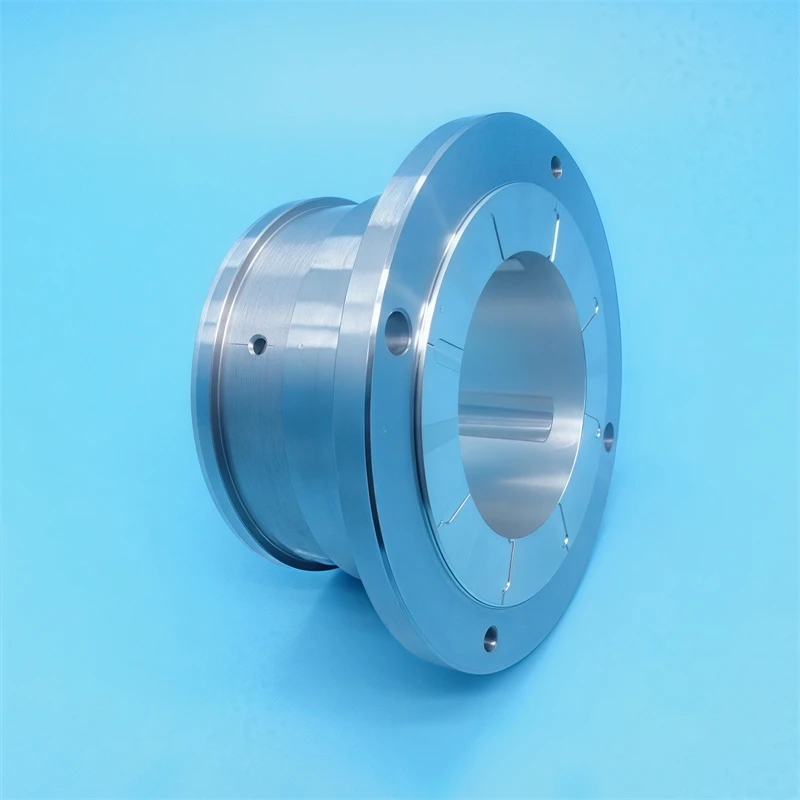
When considering the use of tin bronze thrust bearings in mining equipment, it is important to carefully evaluate the specific requirements of the application, including load, speed, temperature, and the presence of contaminants. Additionally, proper installation, maintenance, and lubrication are essential to ensure the optimal performance and long - term reliability of the bearings.
If you are in the mining industry and are looking for high - quality tin bronze thrust bearings, I invite you to contact me for more information and to discuss your specific needs. We can work together to find the best bearing solution for your mining equipment.
References
- "Handbook of Copper and Copper Alloys" by ASM International
- "Mining Engineering Handbook" by Hartman and Mutmansky
- Technical literature on tin bronze alloys from various metal suppliers