

Can fluid film thrust bearings be used in marine applications? That's a question I've been asked quite a bit lately, and as a supplier of fluid film thrust bearings, I'm more than happy to dive into this topic.
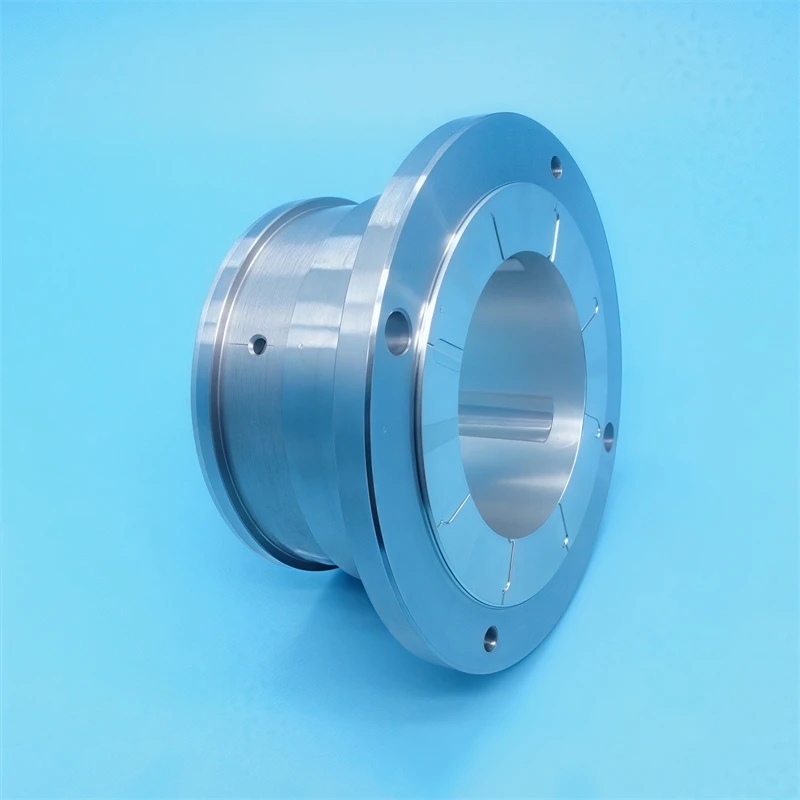
First off, let's talk about what fluid film thrust bearings are. A Fluid Film Thrust Bearing is a type of bearing that uses a thin layer of fluid, usually oil, to separate the moving parts. This fluid film reduces friction and wear, allowing the bearing to handle high loads and speeds with relative ease. There are different types, like the Plain Journal Fluid Film Bearing and the Taper-land Thrust Bearing. Each type has its own unique features and benefits, but they all share the common goal of providing smooth and reliable operation.
Now, let's get to the big question: Can they be used in marine applications? The answer is a resounding yes! Marine applications are some of the toughest environments out there. You've got saltwater corrosion, high humidity, and extreme loads and vibrations. But fluid film thrust bearings are up to the challenge.
One of the main advantages of using fluid film thrust bearings in marine applications is their ability to handle high loads. In a ship's propulsion system, for example, the thrust bearings have to support the weight of the propeller shaft and the forces generated by the propeller. Fluid film thrust bearings can distribute these loads evenly across the bearing surface, reducing stress and wear. This means longer bearing life and less maintenance, which is a huge plus in the marine industry where downtime can be extremely costly.
Another benefit is their resistance to corrosion. As I mentioned earlier, saltwater is a major enemy in marine applications. It can cause rust and corrosion, which can lead to bearing failure. But fluid film thrust bearings are designed with special materials and coatings that can withstand the harsh marine environment. The fluid film itself also acts as a barrier, protecting the bearing surfaces from direct contact with the saltwater.
Fluid film thrust bearings also offer excellent damping properties. In a ship, there are a lot of vibrations from the engines, the propellers, and the waves. These vibrations can cause noise, discomfort for the crew, and even damage to the ship's structure. Fluid film thrust bearings can absorb and dampen these vibrations, providing a smoother and more comfortable ride.
Let's take a closer look at some specific marine applications where fluid film thrust bearings are commonly used. One of the most obvious is in the main propulsion system. The thrust bearings in the propeller shaft are responsible for transmitting the thrust from the propeller to the ship's hull. They have to be able to handle the high axial loads and the dynamic forces generated by the propeller. Fluid film thrust bearings are ideal for this application because they can provide a stable and reliable support for the propeller shaft.
Another important application is in the auxiliary systems of a ship. For example, in the power generation systems, the generators need to be supported by bearings that can handle the high rotational speeds and the vibrations. Fluid film thrust bearings can ensure smooth operation of the generators, reducing the risk of breakdowns and improving the overall efficiency of the power generation system.
In addition, fluid film thrust bearings are also used in the steering systems of ships. The steering gear has to be able to turn the rudder quickly and accurately, and the bearings in the steering system need to be able to handle the high loads and the dynamic forces. Fluid film thrust bearings can provide the necessary support and precision for the steering system, ensuring safe and reliable navigation.

Of course, like any technology, there are some challenges and considerations when using fluid film thrust bearings in marine applications. One of the main challenges is the lubrication system. The fluid film in the bearing relies on a continuous supply of clean lubricant. In a marine environment, it can be difficult to maintain the quality of the lubricant due to the presence of water, dirt, and other contaminants. That's why it's important to have a proper lubrication system in place, including filters, coolers, and monitoring devices.
Another consideration is the installation and alignment of the bearings. In a ship, the bearing installation has to be done with great precision to ensure proper operation. Any misalignment can cause uneven loading, increased wear, and premature bearing failure. That's why it's important to work with experienced technicians who have the knowledge and skills to install and align the bearings correctly.
Despite these challenges, the benefits of using fluid film thrust bearings in marine applications far outweigh the drawbacks. They offer a reliable, efficient, and cost-effective solution for a wide range of marine applications.
If you're in the marine industry and you're looking for high-quality fluid film thrust bearings, look no further. As a supplier, we have a wide range of products to meet your specific needs. Whether you need a Fluid Film Thrust Bearing, a Plain Journal Fluid Film Bearing, or a Taper-land Thrust Bearing, we've got you covered.
We understand the unique challenges of the marine industry, and we're committed to providing you with the best products and services. Our team of experts can help you select the right bearings for your application, and we can also provide installation and maintenance support.
So, if you're interested in learning more about our fluid film thrust bearings or if you have any questions, don't hesitate to get in touch. We'd love to have a chat with you and discuss how we can help you improve the performance and reliability of your marine systems.
References:
- "Marine Propulsion Systems: Design and Analysis" by John J. Carlton
- "Bearing Technology Handbook" by Peter J. L. Childs