

Can Babbitt Flanged Bearings be used in textile machinery?
As a supplier of Babbitt Flanged Bearings, I often encounter inquiries from the textile industry about the suitability of our products for their machinery. In this blog post, I'll explore whether Babbitt Flanged Bearings can indeed be used in textile machinery, delving into the properties of these bearings, the requirements of textile machinery, and the potential benefits and challenges.
Properties of Babbitt Flanged Bearings
Babbitt bearings are known for their excellent anti - friction properties. The Babbitt metal, a soft alloy typically composed of tin, antimony, and copper, provides a low - friction surface that can reduce wear and tear on both the bearing and the shaft. This is crucial in applications where smooth and continuous operation is required.
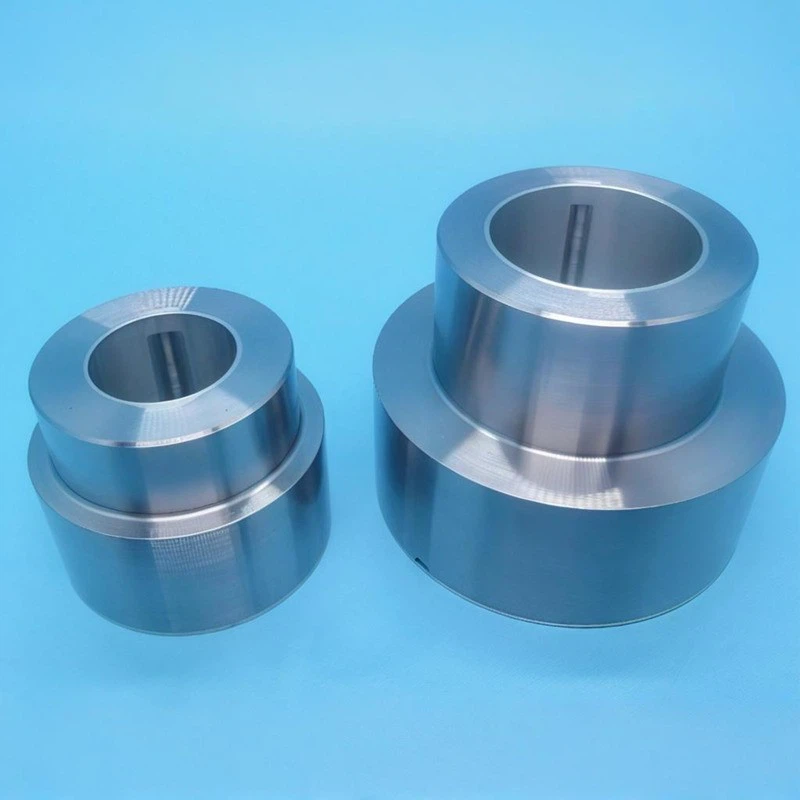
Flanged bearings, on the other hand, have a flange or lip on one end. This flange serves as a guide, preventing the bearing from moving axially along the shaft. It provides additional stability and alignment, which is especially important in machinery where precise positioning is necessary.
Combining these two features, Babbitt Flanged Bearings offer a unique solution. The Babbitt lining ensures smooth rotation, while the flange keeps the bearing in place. You can learn more about Babbitt Bearings on our website Babbitt Bearing and specifically about Babbitt Flanged Bearings at Babbitt Flanged Bearings.
Requirements of Textile Machinery
Textile machinery operates under a variety of conditions. Firstly, it often runs at high speeds for extended periods. This requires bearings that can handle the heat generated by friction and maintain their performance over time. Secondly, textile machinery needs to be precise. The quality of the textile product depends on the accurate movement of the various components, such as the spindles, rollers, and shuttles. Any misalignment or excessive vibration can lead to defects in the fabric.
In addition, textile machinery is exposed to various contaminants, including fibers, dust, and lubricants. Bearings in this environment need to be resistant to wear and corrosion, and they should be able to maintain their functionality even in the presence of these contaminants.
Benefits of Using Babbitt Flanged Bearings in Textile Machinery
-
Low Friction and High - Speed Performance
The low - friction nature of Babbitt metal makes it ideal for high - speed applications. In textile machinery, where components like spindles can rotate at extremely high speeds, Babbitt Flanged Bearings can reduce the energy consumption and heat generation. This not only improves the efficiency of the machinery but also extends the lifespan of the bearings and other components. -
Precision and Alignment
The flange on the Babbitt Flanged Bearings ensures that the bearing remains in the correct position. This is crucial for the precise operation of textile machinery. For example, in spinning frames, accurate alignment of the spindles is necessary to produce high - quality yarn. The flange helps to prevent any axial movement that could lead to misalignment and subsequent product defects.
-
Wear and Corrosion Resistance
Babbitt metal has good wear - resistance properties. It can withstand the abrasion caused by the continuous movement of the shaft and the presence of contaminants in the textile environment. Additionally, proper coating and treatment of the Babbitt material can enhance its corrosion resistance, making it suitable for long - term use in textile machinery. -
Shock Absorption
Textile machinery may experience sudden shocks or vibrations during operation. Babbitt Flanged Bearings can absorb these shocks to some extent, protecting the machinery from damage. This is particularly important in machinery that involves rapid changes in speed or direction, such as looms.
Challenges and Considerations
-
Initial Cost
Babbitt Flanged Bearings may have a relatively higher initial cost compared to some other types of bearings. However, it's important to consider the long - term benefits. The reduced energy consumption, longer lifespan, and improved product quality can offset the initial investment over time. -
Lubrication Requirements
Proper lubrication is essential for the performance of Babbitt Flanged Bearings. In textile machinery, the lubrication system needs to be carefully designed to ensure that the bearings are adequately lubricated. Contaminants in the textile environment can also affect the lubricant, so regular maintenance and lubricant replacement are necessary. -
Installation and Maintenance
Correct installation of Babbitt Flanged Bearings is crucial for their optimal performance. Special care needs to be taken to ensure that the bearings are properly aligned and seated. Maintenance also requires some expertise, as the Babbitt lining may need to be inspected and re - coated periodically.
Case Studies and Real - World Applications
In many textile manufacturing plants, Babbitt Flanged Bearings have been successfully used in various types of machinery. For example, in a large - scale weaving mill, the use of Babbitt Flanged Bearings in the loom's shuttle mechanism has significantly improved the quality of the fabric. The precise alignment provided by the flange and the low - friction Babbitt lining have reduced the number of defects and increased the production efficiency.
Another case is in a spinning factory. By replacing the traditional bearings with Babbitt Flanged Bearings in the spindles, the factory has seen a decrease in energy consumption and an increase in the lifespan of the spindles. This has resulted in cost savings and improved overall productivity.
Comparison with Other Types of Bearings
When considering bearings for textile machinery, other options such as Sleeve Babbitt Bearings Sleeve Babbitt Bearing and ball bearings are also available. Sleeve Babbitt Bearings offer similar anti - friction properties but lack the flange for axial positioning. Ball bearings, on the other hand, are more suitable for light - load and high - speed applications but may not be as resistant to wear and shock as Babbitt Flanged Bearings.
The choice between these different types of bearings depends on the specific requirements of the textile machinery. For applications where precise alignment and high - load capacity are needed, Babbitt Flanged Bearings are often the preferred option.
Conclusion
In conclusion, Babbitt Flanged Bearings can be effectively used in textile machinery. Their low - friction, high - speed performance, precision alignment, and wear - resistance properties make them well - suited for the demanding environment of the textile industry. While there are some challenges such as initial cost and lubrication requirements, the long - term benefits in terms of efficiency, product quality, and machinery lifespan make them a viable choice.
If you are in the textile industry and are considering upgrading or replacing the bearings in your machinery, I encourage you to contact us for more information. Our team of experts can provide you with detailed technical advice and help you choose the most suitable Babbitt Flanged Bearings for your specific needs. We are committed to providing high - quality products and excellent customer service to support the success of your textile manufacturing operations.
References
- "Bearing Handbook" - A comprehensive guide on different types of bearings and their applications.
- Industry reports on the performance of various bearings in textile machinery.
- Technical papers on the properties and manufacturing of Babbitt metal.