

Hey there! As a Babbitt Bearing supplier, I often get asked if these bearings can be used in chemical processing equipment. Well, let's dive right into it and find out.
First off, what are Babbitt bearings? Babbitt bearings, also known as white metal bearings, are a type of plain bearing that use a soft alloy lining to reduce friction and wear between moving parts. You can learn more about them on our Babbitt Bearing page. These bearings have been around for a long time and are known for their excellent load - carrying capacity and good anti - seizure properties.
Now, let's talk about chemical processing equipment. This kind of equipment operates in some pretty harsh environments. Chemicals can be corrosive, and the temperatures and pressures involved can vary widely. For example, in a chemical reactor, you might have high - temperature reactions going on, and the chemicals used could be acids, alkalis, or other aggressive substances.
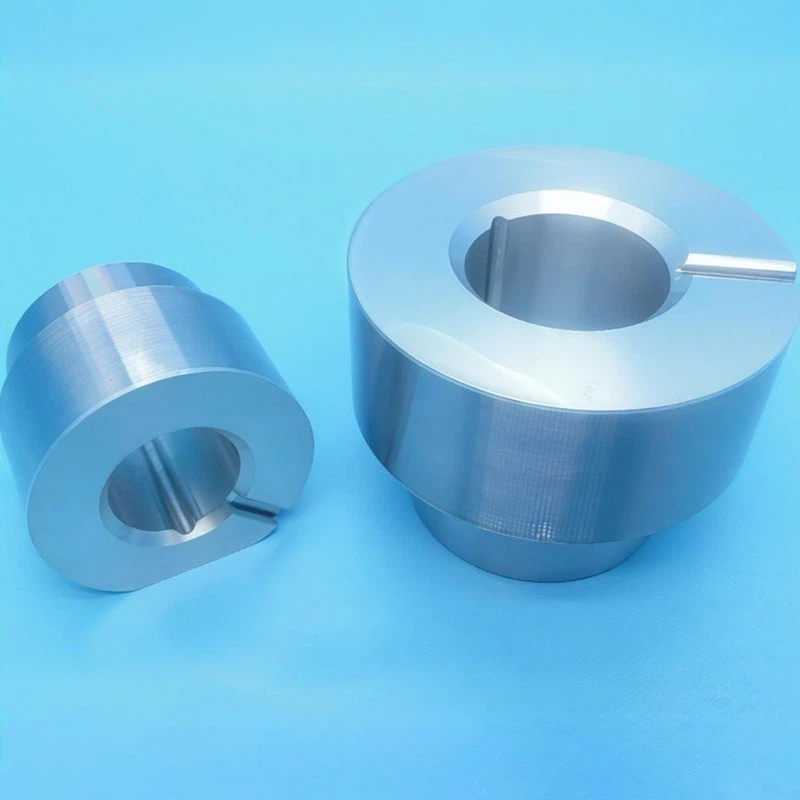

So, can Babbitt bearings hold up in such conditions? The answer is, it depends.
One of the key factors is the chemical compatibility of the Babbitt alloy. Babbitt alloys are typically made up of tin, antimony, and copper. Tin - based Babbitt alloys are more common because they offer good ductility and low friction. However, they may not be suitable for all chemical environments. For instance, strong acids can react with the tin in the alloy, causing corrosion. If the chemical processing equipment is dealing with hydrochloric acid or sulfuric acid, we need to be extra careful.
On the positive side, if the chemical environment is relatively mild, Babbitt bearings can work just fine. For example, in some water - based chemical processes where the pH is close to neutral, the Babbitt alloy can resist corrosion to a certain extent. The soft nature of the Babbitt lining also allows it to conform to the shape of the shaft, providing a good bearing surface and reducing wear.
Another important aspect is the temperature. Babbitt bearings have a relatively low melting point compared to some other bearing materials. In high - temperature chemical processes, the Babbitt material can start to soften and lose its shape. This can lead to increased friction, wear, and even bearing failure. But if the temperature in the chemical processing equipment is kept within the recommended range for the Babbitt alloy (usually up to around 120 - 150 degrees Celsius), the bearings can function properly.
Let's take a look at different types of Babbitt bearings. We have Babbitt Flanged Bearings. These bearings have a flange that helps in axial positioning. In chemical processing equipment, this can be useful in applications where there is a need to control the axial movement of the shaft. For example, in a pump used for chemical transfer, the flanged bearing can keep the shaft in place and prevent it from moving axially, ensuring smooth operation.
Then there are Sleeve Babbitt Bearing. Sleeve bearings are simple in design and are widely used in various machinery. In chemical processing, they can be used in agitators, where they support the rotating shaft. The smooth inner surface of the sleeve bearing helps in reducing friction and allowing the shaft to rotate freely.
However, we also need to consider the lubrication. In chemical processing equipment, the lubricant used must be compatible with both the Babbitt bearing and the chemicals in the process. If the lubricant reacts with the chemicals, it can form deposits or cause corrosion. For example, if the chemical process involves an oil - soluble chemical and the lubricant is water - based, there could be a problem. On the other hand, if the lubricant is carefully selected, it can help in reducing friction, dissipating heat, and protecting the Babbitt bearing from wear and corrosion.
In some cases, we might need to take additional protective measures. For example, we can apply a protective coating on the Babbitt bearing. This coating can act as a barrier between the bearing and the corrosive chemicals. There are different types of coatings available, such as polymer coatings or ceramic coatings. These coatings can improve the chemical resistance of the bearing and extend its service life.
Now, let's talk about maintenance. Regular maintenance is crucial for Babbitt bearings in chemical processing equipment. We need to monitor the bearing temperature, vibration, and lubricant condition. If we notice any signs of abnormal wear or corrosion, we should take action immediately. This could involve replacing the bearing, changing the lubricant, or adjusting the operating conditions.
In conclusion, Babbitt bearings can be used in chemical processing equipment, but we need to carefully evaluate the chemical environment, temperature, lubrication, and other factors. If the conditions are right and proper precautions are taken, Babbitt bearings can provide reliable performance in chemical processing applications.
If you're in the chemical processing industry and are considering using Babbitt bearings in your equipment, I'd love to have a chat with you. We can discuss your specific requirements and see if our Babbitt bearings are the right fit for your needs. Don't hesitate to reach out for a procurement discussion.
References:
- "Handbook of Bearings" - A comprehensive guide on different types of bearings and their applications.
- "Chemical Processing Equipment: Selection and Design" - This book provides in - depth knowledge about the design and operation of chemical processing equipment.