

As a long - standing supplier of Babbitt - lined Steps Seals, I've encountered numerous inquiries regarding the repairability of these crucial components. In this blog, I aim to delve deep into the question: Can a Babbitt - lined Steps Seal be repaired?
Understanding Babbitt - lined Steps Seals
Before we discuss repair possibilities, it's essential to understand what Babbitt - lined Steps Seals are. Babbitt is a soft, white - colored alloy that is often used as a lining material in seals. The steps in the seal design are engineered to create a labyrinth - like path, which helps to prevent fluid leakage and reduce friction. These seals are commonly used in various industrial applications, such as in pumps, compressors, and turbines, where they play a vital role in maintaining the integrity of the system.
Factors Affecting Repairability
The repairability of a Babbitt - lined Steps Seal depends on several factors.
Extent of Damage
One of the primary factors is the extent of the damage. Minor scratches or surface wear on the Babbitt lining can often be repaired. For instance, if the scratches are shallow and do not penetrate the entire thickness of the Babbitt layer, they can be smoothed out through a process called machining. Machining involves using precision tools to remove a thin layer of the damaged Babbitt, leaving behind a smooth surface.
On the other hand, if the damage is more severe, such as deep gouges or significant erosion of the Babbitt lining, repair becomes more challenging. In some cases, when the damage has reached the base material beneath the Babbitt, it may not be possible to repair the seal effectively, and replacement might be the only viable option.
Material Compatibility
Another crucial factor is material compatibility. When attempting to repair a Babbitt - lined seal, any new material used must be compatible with the existing Babbitt and the base material of the seal. If the new material has different thermal expansion coefficients or chemical properties, it can lead to further problems, such as cracking or delamination, in the long run.
Design and Complexity
The design and complexity of the seal also impact its repairability. Some Babbitt - lined Steps Seals have intricate geometries and multiple layers, which can make repair a highly specialized task. In such cases, only experienced technicians with the right equipment and expertise should attempt the repair. For example, seals with complex step patterns require precise machining and alignment to ensure that the seal functions correctly after repair.
Repair Methods
When a Babbitt - lined Steps Seal is deemed repairable, several methods can be employed.
Machining and Refinishing
As mentioned earlier, machining is a common method for repairing minor surface damage. After identifying the damaged areas, a technician will use a lathe or a milling machine to remove the damaged portion of the Babbitt. The surface is then carefully finished to the required specifications, ensuring a smooth and even surface. This method is relatively straightforward and can often restore the seal's functionality.
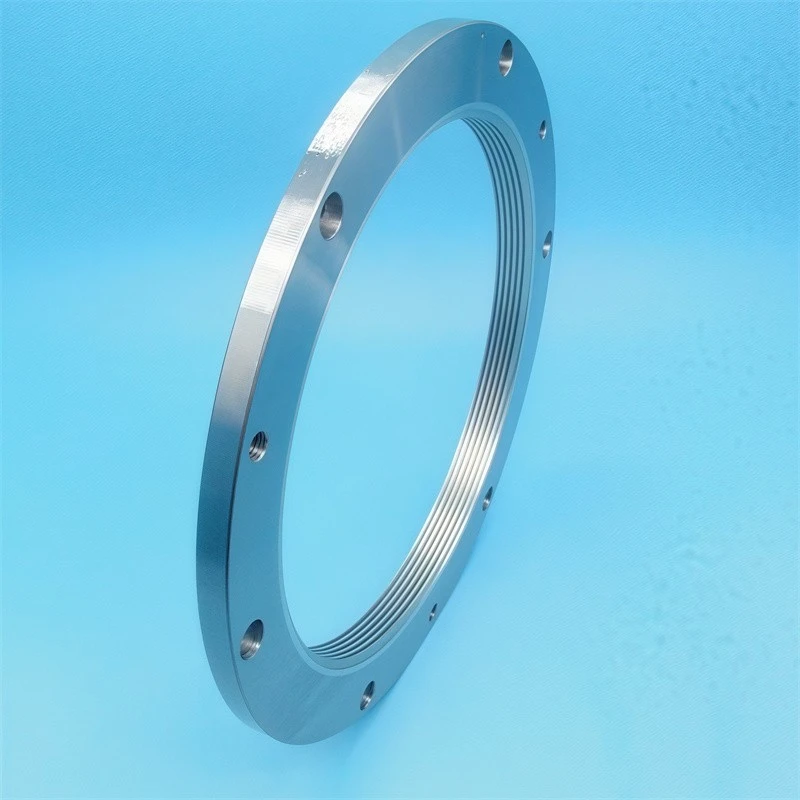

Re - lining
In cases where the Babbitt lining has been significantly worn or damaged, re - lining the seal may be necessary. This involves removing the remaining Babbitt layer and applying a new layer of Babbitt alloy. The process requires careful preparation of the base material to ensure proper adhesion of the new Babbitt. First, the base material is cleaned and roughened to create a good bonding surface. Then, the Babbitt is melted and applied using a specialized technique, such as casting or spraying. After the new Babbitt has been applied, it is machined to the correct dimensions.
Examples of Repairable Seals
Let's take a look at some specific examples of Babbitt - lined Steps Seals that can potentially be repaired.
The Φ150 Babbitt - lined Seal is a commonly used seal in medium - sized industrial pumps. If this seal experiences minor surface wear, it can usually be repaired through machining. The relatively simple design of the Φ150 seal makes it easier to access and work on the damaged areas.
Similarly, the Φ200 Babbitt - lined Seal, which is often used in larger pumps and compressors, can also be repaired in many cases. With proper inspection and the right repair methods, seals of this size can be restored to their original functionality.
The Φ300 Babbitt - lined Seal is a larger and more complex seal, typically used in high - capacity turbines. While repair of this seal is more challenging due to its size and complexity, it is still possible for certain types of damage. For example, if the damage is limited to the outer layers of the Babbitt lining, re - lining or machining can be attempted.
Benefits of Repairing Babbitt - lined Steps Seals
There are several benefits to repairing Babbitt - lined Steps Seals instead of replacing them.
Cost - Effectiveness
Repairing a seal is generally more cost - effective than replacing it. The cost of a new Babbitt - lined seal can be quite high, especially for larger or more specialized seals. By repairing the existing seal, companies can save a significant amount of money on procurement costs.
Reduced Downtime
Replacing a seal often requires shutting down the equipment for an extended period, which can lead to production losses. In contrast, repair can be completed more quickly, reducing the downtime of the equipment. This is particularly important in industries where continuous operation is crucial, such as power generation and chemical processing.
Environmental Sustainability
Repairing seals also has environmental benefits. By extending the lifespan of existing seals, less waste is generated, and the demand for new materials is reduced. This contributes to a more sustainable approach to industrial operations.
When to Consider Replacement
While repair is often a viable option, there are situations where replacement is the better choice.
If the seal has suffered repeated damage or if the repair costs are approaching or exceeding the cost of a new seal, replacement should be considered. Additionally, if the seal is an older model and spare parts are becoming difficult to obtain, it may be more practical to replace it with a newer, more reliable design.
Conclusion
In conclusion, a Babbitt - lined Steps Seal can often be repaired, depending on the extent of the damage, material compatibility, and the design of the seal. Minor surface damage can usually be addressed through machining, while more severe damage may require re - lining. Repairing these seals offers cost - savings, reduced downtime, and environmental benefits. However, there are cases where replacement is the more appropriate solution.
If you are facing issues with your Babbitt - lined Steps Seals and are unsure whether they can be repaired or need to be replaced, feel free to reach out to us. Our team of experts has extensive experience in inspecting, repairing, and supplying Babbitt - lined Steps Seals. We can provide you with a detailed assessment and offer the best solutions tailored to your specific needs. Contact us to start a discussion about your procurement requirements and explore how we can assist you in maintaining the efficiency of your industrial equipment.
References
- "Industrial Sealing Technology" by John Smith
- "Babbitt Alloys and Their Applications" by Jane Doe
- Technical manuals from leading seal manufacturers