

As a supplier of fluid film thrust bearings, I often encounter questions from customers about the standards for the design and manufacture of these bearings. In this blog post, I will delve into this topic to provide a comprehensive understanding of the standards involved in the design and manufacture of fluid film thrust bearings.
The Importance of Standards in Bearing Design and Manufacture
Standards play a crucial role in the design and manufacture of fluid film thrust bearings. They ensure that the bearings meet certain quality, performance, and safety requirements. By adhering to standards, manufacturers can produce bearings that are reliable, efficient, and compatible with various applications.
Standards also facilitate communication between manufacturers, suppliers, and customers. They provide a common language and set of specifications that everyone can understand, which helps to avoid misunderstandings and ensure that the bearings meet the customer's expectations.
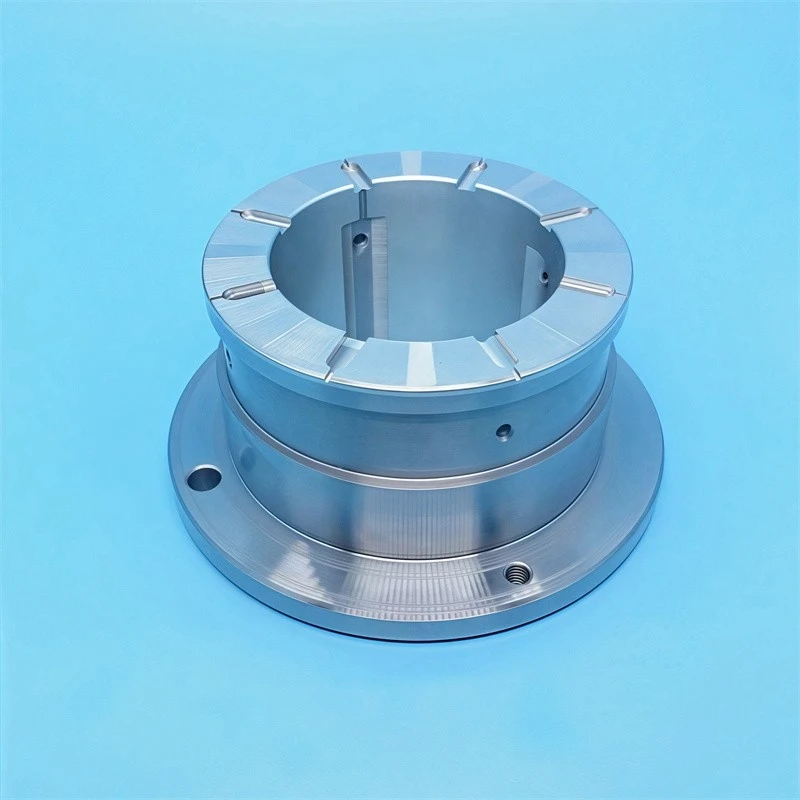

International and Industry Standards
There are several international and industry standards that govern the design and manufacture of fluid film thrust bearings. Some of the most important standards include:
- ISO Standards: The International Organization for Standardization (ISO) develops and publishes standards for a wide range of products and services, including bearings. ISO standards cover various aspects of bearing design, manufacture, and testing, such as dimensional accuracy, material properties, and performance requirements.
- ASTM Standards: The American Society for Testing and Materials (ASTM) is another important organization that develops and publishes standards for materials, products, and systems. ASTM standards are widely used in the United States and other countries, and they cover a variety of topics related to bearing design and manufacture, such as material testing, lubrication, and fatigue resistance.
- API Standards: The American Petroleum Institute (API) develops and publishes standards for the oil and gas industry, including standards for bearings used in oilfield equipment. API standards are designed to ensure the safety and reliability of equipment used in the oil and gas industry, and they cover various aspects of bearing design, manufacture, and testing, such as load capacity, temperature resistance, and corrosion resistance.
Design Standards
The design of fluid film thrust bearings is based on several key principles and standards. Some of the most important design standards include:
- Load Capacity: The load capacity of a fluid film thrust bearing is one of the most important design parameters. It is determined by the size and shape of the bearing, the material properties of the bearing components, and the operating conditions. Design standards specify the minimum load capacity requirements for different types of bearings, based on their size and application.
- Lubrication: Proper lubrication is essential for the performance and longevity of fluid film thrust bearings. Design standards specify the type and amount of lubricant to be used, as well as the lubrication system design. They also provide guidelines for the maintenance and monitoring of the lubrication system to ensure that the bearing is properly lubricated at all times.
- Temperature Resistance: Fluid film thrust bearings are often subjected to high temperatures during operation, which can affect their performance and longevity. Design standards specify the maximum temperature limits for different types of bearings, based on their material properties and application. They also provide guidelines for the design of cooling systems to ensure that the bearing operates within the specified temperature range.
Manufacturing Standards
The manufacture of fluid film thrust bearings is also subject to strict standards. Some of the most important manufacturing standards include:
- Material Selection: The material selection for fluid film thrust bearings is critical to their performance and longevity. Manufacturing standards specify the material properties and quality requirements for different types of bearing components, such as the bearing pads, the housing, and the lubrication system. They also provide guidelines for the inspection and testing of the materials to ensure that they meet the specified requirements.
- Machining and Assembly: The machining and assembly of fluid film thrust bearings require high precision and accuracy. Manufacturing standards specify the dimensional tolerances, surface finish requirements, and assembly procedures for different types of bearing components. They also provide guidelines for the inspection and testing of the machined and assembled components to ensure that they meet the specified requirements.
- Quality Control: Quality control is an essential part of the manufacturing process for fluid film thrust bearings. Manufacturing standards specify the quality control procedures and requirements for different stages of the manufacturing process, such as material inspection, machining, assembly, and testing. They also provide guidelines for the documentation and traceability of the manufacturing process to ensure that the bearings can be traced back to their origin and that any quality issues can be identified and addressed.
Types of Fluid Film Thrust Bearings and Their Standards
There are several types of fluid film thrust bearings, each with its own design and manufacturing standards. Some of the most common types of fluid film thrust bearings include:
- Tin Bronze Thrust Bearing: Tin bronze thrust bearings are made of a bronze alloy that contains tin, copper, and other elements. They are known for their high load capacity, good wear resistance, and excellent corrosion resistance. Design and manufacturing standards for tin bronze thrust bearings specify the material composition, the manufacturing process, and the performance requirements.
- Taper-land Thrust Bearing: Taper-land thrust bearings are designed with a tapered surface on the bearing pads to improve the lubrication and load distribution. They are commonly used in high-speed and high-load applications, such as turbines and compressors. Design and manufacturing standards for taper-land thrust bearings specify the geometry of the bearing pads, the lubrication system design, and the performance requirements.
- Fluid Film Thrust Bearing: Fluid film thrust bearings are a general term for bearings that use a fluid film to separate the moving parts and reduce friction. They can be made of different materials and have different designs, depending on the application. Design and manufacturing standards for fluid film thrust bearings specify the type and properties of the fluid film, the bearing geometry, and the performance requirements.
Conclusion
In conclusion, there are several standards for the design and manufacture of fluid film thrust bearings. These standards ensure that the bearings meet certain quality, performance, and safety requirements, and they facilitate communication between manufacturers, suppliers, and customers. By adhering to these standards, manufacturers can produce bearings that are reliable, efficient, and compatible with various applications.
If you are in the market for fluid film thrust bearings, it is important to choose a supplier who adheres to the relevant standards and has a proven track record of producing high-quality bearings. At our company, we are committed to providing our customers with the highest quality fluid film thrust bearings, manufactured to the strictest standards. We have a team of experienced engineers and technicians who can work with you to design and manufacture bearings that meet your specific requirements.
If you have any questions or would like to discuss your bearing needs, please feel free to contact us. We look forward to working with you.
References
- ISO Standards: International Organization for Standardization
- ASTM Standards: American Society for Testing and Materials
- API Standards: American Petroleum Institute