

Are Babbitt Flanged Bearings suitable for food - processing applications?
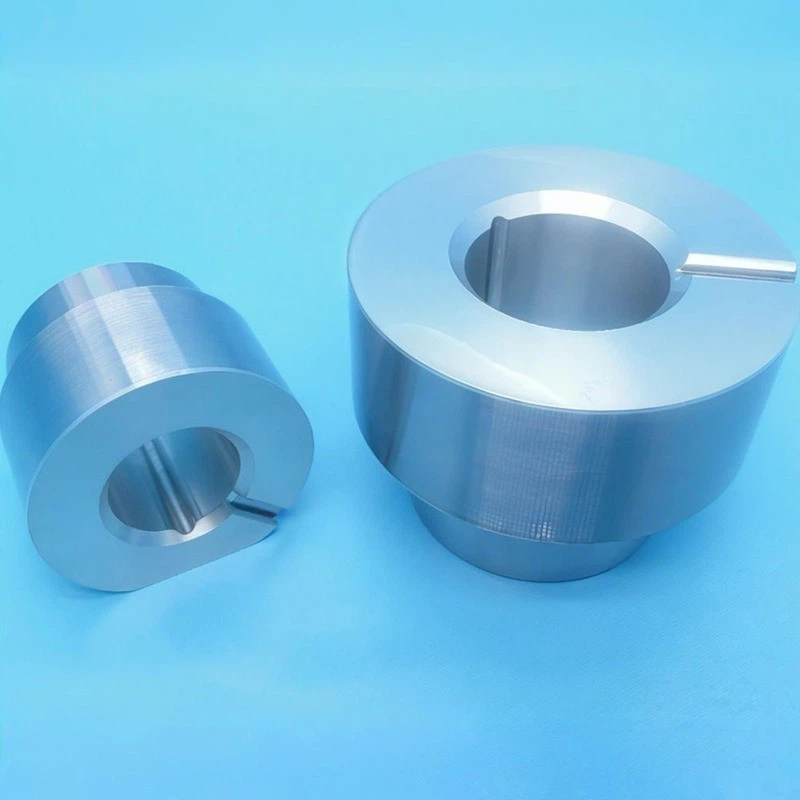

As a supplier of Babbitt Flanged Bearings, I often encounter inquiries from clients in the food - processing industry regarding the suitability of our products for their applications. In this blog, I will delve into the key aspects to help determine whether Babbitt Flanged Bearings are a good fit for food - processing settings.
Understanding Babbitt Flanged Bearings
Before discussing their application in the food - processing industry, it's essential to understand what Babbitt Flanged Bearings are. Babbitt Bearings, in general, are a type of fluid - film bearing. The Babbitt material, which is a soft alloy, provides excellent anti - friction properties and can withstand high loads. Flanged bearings, on the other hand, have a flange (a protruding edge) on one side, which helps in proper positioning and axial restraint. You can learn more about Babbitt Bearing and Babbitt Flanged Bearings on our website.
Key Requirements in Food - Processing Applications
The food - processing industry has several strict requirements when it comes to equipment components. Firstly, hygiene is of utmost importance. All materials used in contact with food must be non - toxic and resistant to corrosion from cleaning agents and food substances. Secondly, reliability is crucial as any breakdown in the production line can lead to significant losses. Thirdly, the bearings should be able to operate under the specific conditions of the food - processing environment, such as varying temperatures, humidity, and the presence of food particles.
Advantages of Babbitt Flanged Bearings in Food - Processing
- Self - Lubricating Properties
Babbitt Flanged Bearings can operate with a fluid film of lubricant between the bearing surface and the shaft. This self - lubricating ability reduces friction and wear, which is beneficial in continuous - operation food - processing machinery. For example, in conveyor systems where the bearings need to run smoothly for long periods, the self - lubricating feature ensures reliable performance. - Load - Bearing Capacity
Food - processing equipment often involves heavy loads, such as in mixers and crushers. Babbitt Flanged Bearings have a high load - bearing capacity, thanks to the Babbitt material's ability to distribute loads evenly across the bearing surface. This means they can handle the mechanical stresses associated with processing large quantities of food products. - Corrosion Resistance
When properly coated or treated, Babbitt Flanged Bearings can offer good corrosion resistance. In food - processing environments where there may be exposure to water, acids, and alkalis from cleaning processes or food ingredients, corrosion - resistant bearings are essential to prevent contamination and ensure long - term operation.
Challenges and Considerations
- Material Compatibility
Although Babbitt materials are generally non - toxic, it's crucial to ensure that the specific Babbitt alloy used in the bearings is compliant with food - safety regulations. Some alloys may contain trace elements that could potentially leach into food products if not properly managed. Therefore, it's necessary to work closely with the bearing supplier to select the right Babbitt material for food - processing applications. - Cleaning and Maintenance
Proper cleaning and maintenance are vital in food - processing facilities. Babbitt Flanged Bearings need to be designed in a way that allows for easy cleaning to prevent the accumulation of food particles and bacteria. Additionally, regular maintenance checks are required to monitor the bearing's condition and ensure optimal performance. - Sealing and Contamination Prevention
To prevent food particles and other contaminants from entering the bearing, effective sealing solutions are necessary. The design of the flanged bearing should incorporate appropriate seals to protect the internal components and maintain the hygiene of the food - processing environment.
Comparing with Other Bearing Types
In the food - processing industry, other types of bearings, such as Sleeve Babbitt Bearings, are also commonly used. Sleeve Babbitt Bearings are similar in that they use Babbitt material but lack the flange. The flange in Babbitt Flanged Bearings provides additional axial support, which can be an advantage in applications where precise positioning is required. However, the choice between the two depends on the specific requirements of the food - processing equipment.
Real - World Applications
In many food - processing plants, Babbitt Flanged Bearings have been successfully implemented. For instance, in a large - scale dairy processing facility, these bearings are used in the homogenization equipment. The high - pressure and high - speed operation of the homogenizer require bearings with excellent load - bearing capacity and reliability, which Babbitt Flanged Bearings can provide. In a bakery, they are used in dough mixers, where the ability to handle heavy loads and operate continuously is essential.
Conclusion
In conclusion, Babbitt Flanged Bearings can be suitable for food - processing applications, provided that the challenges related to material compatibility, cleaning, and contamination prevention are properly addressed. Their self - lubricating properties, load - bearing capacity, and corrosion resistance make them a viable option for many food - processing machines.
If you are in the food - processing industry and are considering using Babbitt Flanged Bearings for your equipment, I encourage you to reach out to us. Our team of experts can provide you with detailed information about our products, help you select the right bearing for your specific application, and offer guidance on installation, maintenance, and compliance with food - safety regulations. Let's work together to ensure the smooth and efficient operation of your food - processing machinery.
References
- "Bearing Handbook" - A comprehensive guide on different types of bearings and their applications.
- Food - safety regulations and standards published by relevant authorities.