

Hey there! As a supplier of Babbitt Flanged Bearings, I often get asked whether these bearings are prone to noise during operation. It's a valid concern, as noise can be a sign of problems and can also be a nuisance in many industrial settings. So, let's dig into this topic and find out what's going on.
First off, let's understand what Babbitt Flanged Bearings are. Babbitt is a soft alloy that's used as a lining material in bearings. It's great because it has good anti - seizure properties and can handle a fair amount of load. Flanged bearings, on the other hand, have a flange or a lip on one side. This flange helps in proper positioning and alignment of the bearing within the machinery. You can learn more about Babbitt Bearing and Sleeve Babbitt Bearing on our website, and of course, Babbitt Flanged Bearings are our specialty.
Now, let's talk about the factors that can cause noise during the operation of Babbitt Flanged Bearings.
1. Lubrication Issues
One of the most common reasons for bearing noise is improper lubrication. Babbitt Flanged Bearings rely on a thin film of lubricant to reduce friction between the moving parts. If the lubricant is not sufficient, the metal - to - metal contact increases. This can lead to a screeching or grinding noise. For example, if the oil level in the lubrication system is too low, or if the oil has become contaminated with dirt, debris, or water, the bearing will not operate smoothly.
Another aspect is the viscosity of the lubricant. If the oil is too thin, it won't be able to form a proper lubricating film under high loads or high - speed conditions. On the other hand, if the oil is too thick, it can cause excessive drag and also lead to noise. Regular maintenance and checking of the lubrication system are crucial to prevent these issues.
2. Misalignment
Misalignment is a big culprit when it comes to bearing noise. If the Babbitt Flanged Bearing is not installed correctly or if the shaft and the housing are not in proper alignment, it can cause uneven loading on the bearing. This uneven loading can lead to vibrations and noise. For instance, if the flange of the bearing is not sitting flat against the housing, or if the shaft is not centered within the bearing, the bearing will experience abnormal forces. These forces can cause the bearing to wear unevenly and produce noise.
3. Wear and Tear
Over time, all bearings experience wear and tear. In the case of Babbitt Flanged Bearings, the soft Babbitt lining can wear down. As the lining wears, the clearance between the shaft and the bearing increases. This increased clearance can cause the shaft to move around more within the bearing, leading to rattling or knocking noises. High - load applications, high - speed operations, and poor operating conditions can accelerate this wear process.
4. Contamination
Contamination from external sources can also cause noise in Babbitt Flanged Bearings. Dust, dirt, metal particles, or even moisture can enter the bearing. These contaminants can act as abrasives, causing the Babbitt lining to wear faster. They can also disrupt the lubricating film, leading to increased friction and noise. For example, in a dirty industrial environment, if proper seals are not in place, dust can easily enter the bearing and cause problems.
5. Overloading
If the Babbitt Flanged Bearing is subjected to loads that are higher than its rated capacity, it can cause noise. The excessive load can cause the Babbitt lining to deform or even break. This deformation can lead to abnormal contact between the shaft and the bearing, resulting in noise. Overloading can occur due to improper machine design, changes in the operating conditions, or incorrect selection of the bearing.
However, it's important to note that not all noise is a sign of a serious problem. Sometimes, a small amount of noise can be normal, especially during the initial break - in period of a new bearing. During this period, the Babbitt lining is adjusting to the shaft and the operating conditions. But if the noise persists or gets louder over time, it's definitely a cause for concern.
So, what can we do to prevent noise in Babbitt Flanged Bearings?
1. Proper Installation
Ensuring proper installation is key. This includes correct alignment of the bearing, making sure the flange is properly seated, and using the right tools for installation. Following the manufacturer's installation instructions is essential. A well - installed bearing is less likely to experience misalignment and uneven loading, which in turn reduces the chances of noise.
2. Regular Maintenance
Regular maintenance is crucial for the smooth operation of Babbitt Flanged Bearings. This includes checking the lubrication system, inspecting for signs of wear and tear, and cleaning or replacing the lubricant as needed. Regularly monitoring the operating conditions, such as temperature and vibration, can also help detect problems early.
3. Quality Lubrication
Using the right lubricant with the correct viscosity for the specific application is important. The lubricant should be clean and free from contaminants. Regularly changing the lubricant according to the manufacturer's recommendations can prevent lubrication - related noise issues.
4. Contamination Prevention
Using proper seals and enclosures can prevent contaminants from entering the bearing. In dirty environments, additional protective measures may be required, such as air - purging systems or special coatings on the bearing.
5. Correct Bearing Selection
Selecting the right Babbitt Flanged Bearing for the application is essential. This means considering factors such as load capacity, speed, operating temperature, and environmental conditions. A bearing that is properly sized and rated for the application is less likely to experience overloading and premature wear.

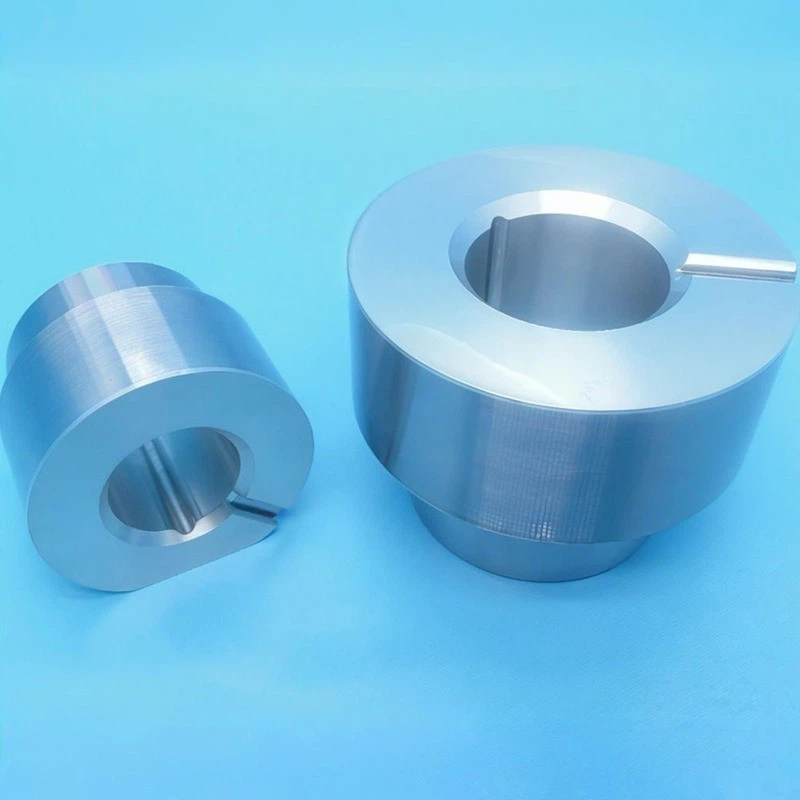
In conclusion, Babbitt Flanged Bearings are not inherently prone to noise during operation. However, several factors such as lubrication issues, misalignment, wear and tear, contamination, and overloading can cause noise. By taking proper preventive measures, we can ensure that these bearings operate smoothly and quietly.
If you're in the market for high - quality Babbitt Flanged Bearings or have any questions about bearing noise or maintenance, don't hesitate to reach out to us. We're here to help you find the best solutions for your industrial needs.
References
- Machinery's Handbook: A comprehensive guide to mechanical engineering and manufacturing processes, which provides in - depth information on bearing design, installation, and maintenance.
- Tribology textbooks: These books cover the science of friction, wear, and lubrication, which are essential topics for understanding bearing performance.